Croatia’s bold step to reinstate conscription after nearly two decades marks a significant shift in the nation’s defense strategy, aiming to bolster national security amid growing regional uncertainties.
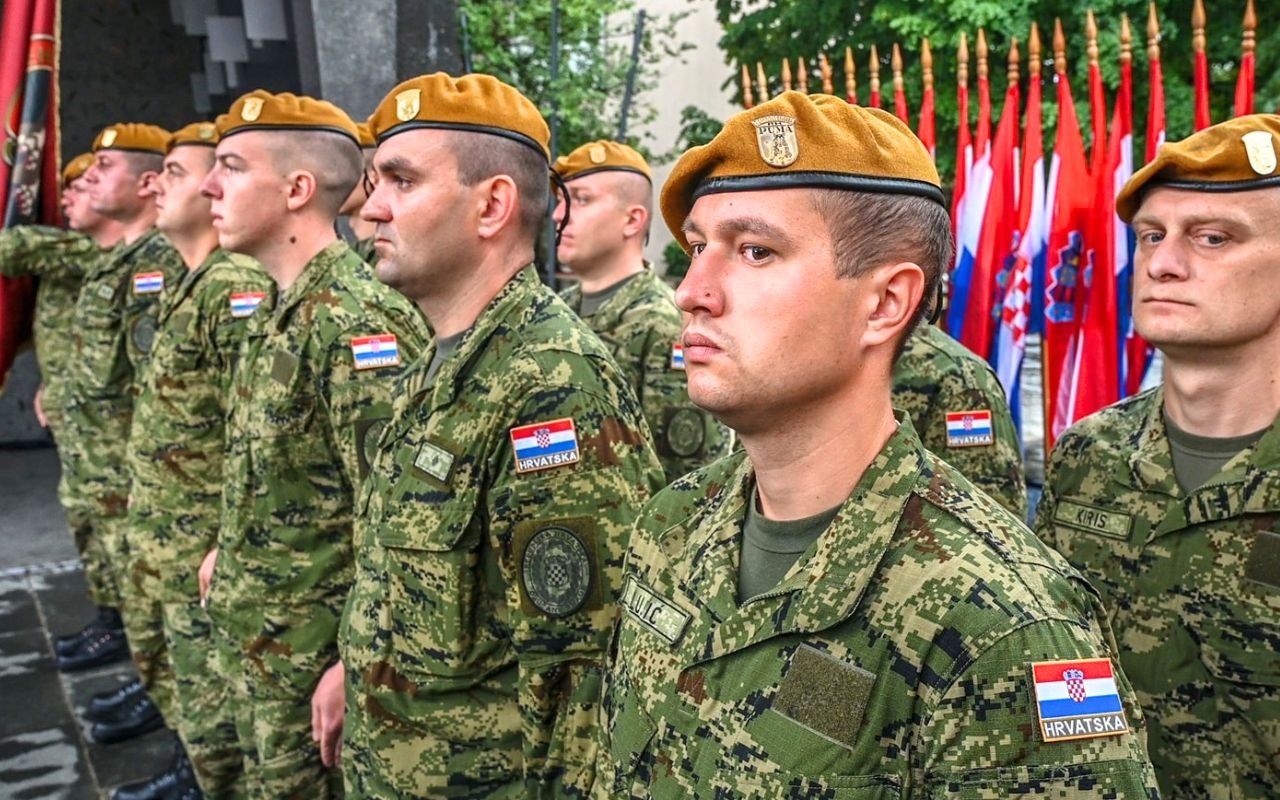
Nearly 20 years after sidelining the draft and transitioning to a fully professional military, Croatia has reintroduced compulsory military service for young men. This historic move, initiated in early March 2026, reflects Zagreb’s strategic recalibration in response to a more unpredictable European security environment and rising tensions in the Balkans. Hundreds of recruits have already begun their two months of basic training, signaling the start of a sustained effort to fortify the national defense apparatus by expanding trained reserves and enhancing crisis preparedness.
Reviving conscription to strengthen Croatia’s armed forces resilience
The resumption of military conscription in Croatia on March 9th, 2026 represents a pivotal moment for the country’s defense landscape, occurring after a suspension spanning approximately 17 years. The decision to reinstate this service, which was halted in 2008, is largely driven by strategic reassessment at the highest levels of government. The shift away from an all-volunteer professional force towards mandatory national training underscores concerns about the evolving security challenges facing both Croatia and its neighbors in the Balkans. During its two-month basic training period, conscripts are immersed in fundamental military lifestyle and skills acquisition. The curriculum is designed to equip recruits with essential competencies, including weapon handling, field survival, first aid, and self-defense techniques. Notably, the program incorporates modern combat technology modules, such as drone operation, reflecting Croatia’s ambition to blend traditional military skills with contemporary tactical innovations. This balanced approach ensures that even briefly trained civilians gain a meaningful foundation in defense capabilities. The Croatian Ministry of Defence emphasizes that this program aims to establish a nationwide basic military proficiency level, strengthening not just the armed forces but also societal resilience. According to official statements, this training will nurture a broader understanding of crisis readiness among youth, equipping them with tools to respond effectively in emergencies. This initiative also functions as a recruitment funnel, expanding the scope for building a substantial reserve force that can be mobilized promptly should the need arise. This policy repositioning aligns with wider trends across Central and Eastern Europe, where governments are increasingly considering military readiness as a cornerstone of national security policy amid geopolitical uncertainties sparked by conflicts in the region and beyond.
Operational rollout: the first batch of recruits and training locations
The actual implementation of Croatia’s renewed conscription began with the enrollment of approximately 800 young men, marking the inaugural intake since 2008. These recruits were distributed across three primary military facilities located in Knin, Slunj, and Požega. Each training base was assigned specific numbers: about 200 conscripts in both Knin and Slunj and a larger contingent of 400 in Požega. This geographical spread allows the Croatian armed forces to efficiently manage instruction and accommodate the growing number of conscripts anticipated in the coming years. The government’s longer-term vision calls for annually training around 4,000 recruits under this system. This goal stems from an urgent need highlighted by military officials: a striking 300,000 Croatians currently lack any formal military training since conscription was abolished. The strategic intent is to fill this capacity gap by rapidly building a competent reserve, ready to reinforce the active forces if tensions escalate or unforeseen crises demand expanded manpower. Defense Minister Ivan Anušić has publicly praised the recruitment process, emphasizing the unexpectedly strong response. Contrary to concerns that conscription might face considerable resistance, only about 1% of eligible youths have applied for conscientious objector status—a remarkably low figure indicating widespread acceptance or at least compliance. This high participation reinforces governmental confidence that the initiative is both socially viable and strategically prudent. Experts view this initial phase as foundational, serving not only to increase manpower but also to rejuvenate the relationship between military institutions and Croatian society at large. Establishing these links is crucial for national cohesion and fosters a shared sense of responsibility among younger generations in contributing to the country’s security framework.
What the two-month training involves: skills, technology, and crisis readiness
The core of the renewed conscription program is a compact yet intensive two-month training module designed to impart foundational military knowledge and practical skills. This period is carefully crafted to go beyond conventional drills, incorporating pedagogical elements that prepare recruits for both traditional combat roles and modern conflict scenarios. The instructional agenda includes:
- Weapon training: Familiarization with standard-issue firearms and safe handling practices, essential for any basic soldier.
- First aid and survival skills: Teaching recruits to provide emergency medical care and sustain themselves during adverse conditions.
- Self-defense techniques: Practical exercises preparing individuals for close quarters combat or defensive situations.
- Drone operation technology: Training on the use of aerial reconnaissance tools, reflecting the military’s adaptation to evolving warfare methods.
- Teamwork and discipline: Building camaraderie and instilling the discipline essential for unit cohesion under pressure.
This training regimen equips young conscripts with a versatile skill set, reinforcing their individual preparedness and contributing to collective defense capabilities. The emphasis on combining physical readiness with technological literacy signals Croatia’s dedication to maintaining a modernized and effective military force, even with compulsory service lasting a relatively short time. Additionally, the program includes educational components about the rules of armed conflict and basic legal frameworks governing military operations. This holistic approach ensures recruits not only perform their duties effectively but also ethically, reinforcing the military’s commitment to international norms. Such preparation goes hand in hand with Croatia’s broader strategy of cultivating a well-informed society that can support national defense efforts in diverse ways, from active duty to civil support programs during crises and emergencies.
The broader security context and regional implications of Croatia’s conscription policy
Reintroducing conscription has strategic implications that reach beyond Croatia’s borders, relating closely to the shifting security dynamics in the Balkans and wider Europe. The backdrop for this policy shift includes heightened caution among Central and Eastern European nations triggered by ongoing regional tensions and the ramifications of conflicts such as the war in Ukraine. Croatia’s decision to expand its pool of trained citizens aims to mitigate vulnerabilities perceived in a rapidly evolving security climate. The government’s assessment highlights an increasingly unstable environment where conventional military professionalism alone may not suffice to safeguard territorial integrity and national interests. This effort also signals Croatia’s desire to align with broader European security frameworks that advocate for readiness and resilience. Its renewed focus on conscription complements cooperative defense initiatives within NATO and the European Union, where member states are pushing for collective preparedness amid uncertain threats. Moreover, Croatia’s move might inspire neighboring Balkan states to reassess their own military training and conscription policies, potentially sparking a regional trend of bolstering reserve forces. Considering the Balkans’ historical volatility, such developments could profoundly influence future defense postures and security strategies across Southeast Europe. It’s worth noting Croatia’s approach balances the need for expanded military readiness while avoiding overly extended conscription periods that might face social pushback. The moderate two-month training reflects sensitivity to societal changes since the draft was last enforced, aiming to maintain public support and minimize disruption to young people’s civilian lives.
Social impact and young people’s response to Croatia’s military draft revival
The reboot of mandatory military service in Croatia also provokes a complex social response that encompasses enthusiasm, concern, and mixed feelings among the nation’s youth. Initial reactions to the draft have defied some expectations by exhibiting a surprisingly high level of engagement and compliance. Most recruited young men have embraced the opportunity as a rite of passage that instills discipline, physical fitness, and practical skills. This perspective is further supported by the very low rates of conscientious objection recorded since the program’s launch. The government has reported less than 1% of eligible youth seeking exemption, suggesting widespread acceptance or adaptation to the new military obligations. Still, some critics argue that compulsory service may interfere with educational and career plans, particularly in a modern, digitally focused economy where time away from studies or work carries tangible consequences. Policymakers are actively addressing these concerns through targeted communications and by ensuring training schedules minimize disruption. The program’s benefits are also highlighted, such as fostering social cohesion and strengthening national identity. Many young Croatians appreciate the shared experience of military training, which promotes camaraderie and exposes participants to diverse societal backgrounds, encouraging mutual understanding and unity. This social aspect is seen as vital for countering fragmentation in a country that values its independence and sovereignty amid regional uncertainties. By integrating military service with civic responsibility, Croatia aims to craft a generation prepared not only for defense but also for active citizenship.
| Aspect | Details | Significance |
|---|---|---|
| Conscription duration | 2 months | Provides essential military fundamentals without long absence from civilian life |
| Annual conscripts goal | Approx. 4,000 recruits | Expands reserve forces quickly to address national security needs |
| Training locations | Knin, Slunj, Požega | Strategic distribution for efficient training logistics |
| Conscientious objection rate | Less than 1% | Reflects strong social acceptance |
Why did Croatia decide to bring back conscription after so many years?
Croatia reinstated conscription due to increasing regional security concerns and a desire to build a larger, trained reserve force amid a more uncertain European security environment.
What kind of training do new conscripts receive?
New conscripts undergo two months of basic military training covering weapons handling, first aid, survival skills, self-defense, and modern combat technologies such as drone operation.
How have young people responded to the return of mandatory military service?
The response has been largely positive with high recruitment rates and less than 1% applying for conscientious objection, indicating acceptance and engagement among Croatia’s youth.
What is the government’s long-term plan for conscription numbers?
The Croatian government aims to train approximately 4,000 conscripts per year to build a robust reserve capable of rapid mobilization during crises.
How does Croatia’s conscription program fit within the broader European security context?
The program reinforces Croatia’s national defense while aligning with NATO and EU goals for increased preparedness and resilience across Central and Eastern Europe.
