
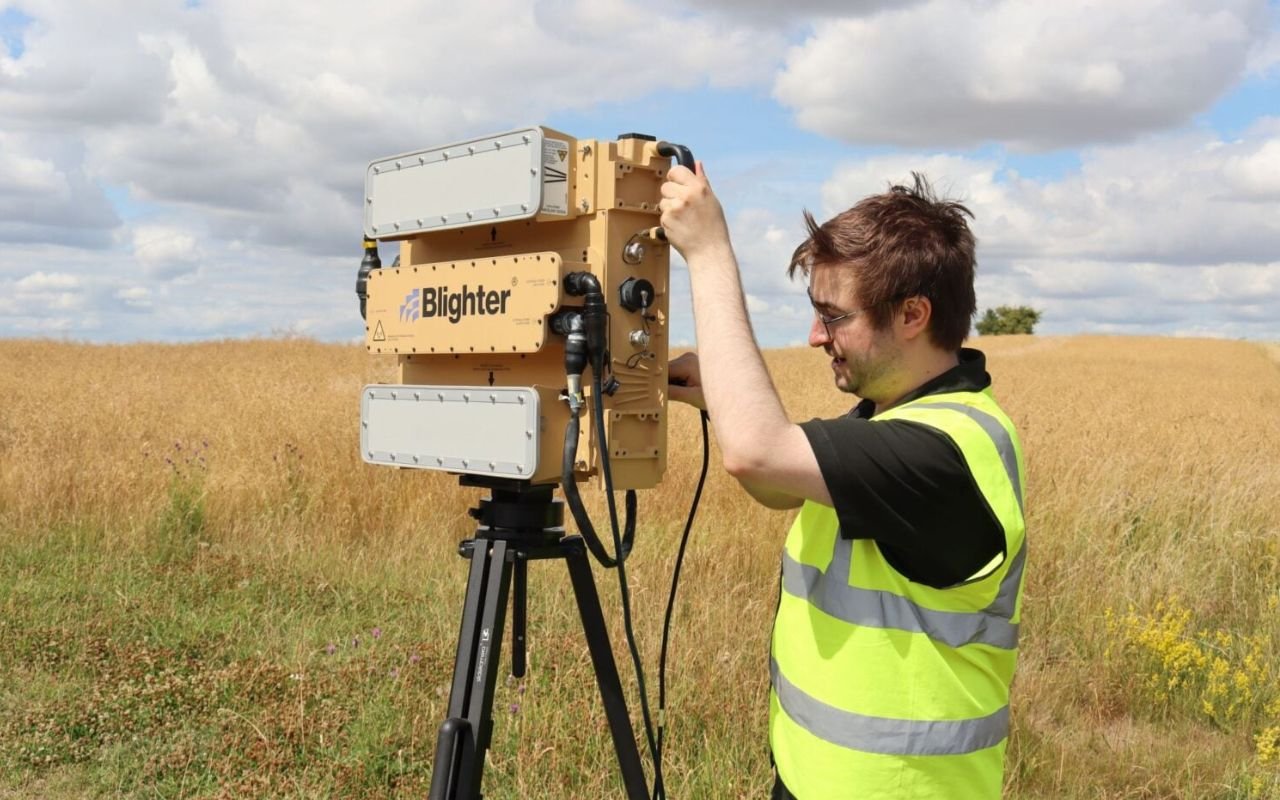
A groundbreaking contract has just been finalized, as a prominent UK radar manufacturer secures a pivotal deal with an Eastern European defense force to enhance national border surveillance.
In a move set to significantly bolster Eastern Europe’s border security, a UK-based company, Blighter, renowned for its cutting-edge electronic-scanning radars, has signed a strategic contract to supply advanced radar systems along with AI-assisted software. This partnership underlines the increasing importance of technological innovation in modern defense strategies and reflects the growing demand for sophisticated electronic surveillance in geopolitically sensitive regions. By integrating AI and ground-based radar technologies, this collaboration promises to redefine how border protection is managed within the area.
How advanced electronic-scanning radars are transforming border security in Eastern Europe
The recent contract highlights the vital role of electronic-scanning radars in securing national borders against evolving threats. Unlike traditional radars that rely on mechanical rotation, electronic-scanning radars use phased array technology to scan areas swiftly and more accurately, creating a robust defense layer. This enhanced capability allows forces to detect and track even the most elusive threats at extended ranges. In Eastern Europe, where geopolitical tensions remain high, the ability to monitor vast and diverse terrain efficiently is invaluable. The Blighter radars, specifically designed for this purpose, are capable of monitoring both fixed locations and mobile deployments on reconnaissance vehicles. This flexibility enables rapid response and continuous monitoring, critical for preventing unauthorized border crossings or smuggling. One of the core aspects that sets these radars apart is their integration with the BlighterNexus AI-assisted software. This AI module analyzes vast amounts of radar data in real time, distinguishing between actual threats and environmental clutter such as wildlife or weather disturbances, thereby reducing false alarms. The software’s decision support aids military personnel in making informed decisions quickly, which is crucial for frontline operations. Furthermore, these radar systems function seamlessly in all weather conditions, a significant advantage given Eastern Europe’s varying climate. Whether during snowstorms, dense fog, or heavy rain, the radars maintain high operational readiness, ensuring no gap in coverage. This reliability is essential for maintaining 24/7 surveillance capabilities across sensitive border zones. The deployment of this technology will also enhance the interoperability of Eastern European defense forces with NATO allies. The shared use of advanced electronic-scanning radars and unified AI platforms streamlines joint operations, intelligence sharing, and coordinated responses to emerging threats. This synergy is instrumental in maintaining regional stability and strengthening collective defense initiatives. A concrete example can be seen in South Korea, where Blighter radars are deployed along the Demilitarized Zone (DMZ), effectively deterring infiltration attempts. By replicating such successes, Eastern European forces can benefit from proven strategies to protect critical border infrastructure while safeguarding national sovereignty.
The strategic importance of AI-assisted software in modern military radar systems
The integration of artificial intelligence into radar operations represents a monumental shift in how military surveillance systems operate. BlighterNexus, the AI-enhanced software packaged with these radar systems, exemplifies this groundbreaking tech synergy. It leverages machine learning algorithms to analyze radar signals with unprecedented precision, contributing significantly to threat detection and operational efficiency. Traditional radar systems often suffer from a high rate of false positives, forcing operators to sift through numerous irrelevant alerts, which can dilute focus during critical moments. With AI assistance, the system learns to differentiate between mundane signals such as birds or moving foliage and high-priority threats like unauthorized vehicles or troops moving clandestinely. This capability not only streamlines operations but also reduces cognitive load on defense personnel. Moreover, the AI software constantly updates and refines its parameters by learning from operational data collected in real time, ensuring adaptability to new threat patterns. For instance, if adversaries start employing drones for reconnaissance or infiltration, the AI can quickly adjust its detection profile to counter this emerging challenge. In addition to threat detection, BlighterNexus enhances command and control by providing comprehensive visual displays and alerts tailored to user preferences, enabling commanders to assess situations rapidly. These interactive dashboards deliver actionable intelligence, facilitating timely and precise responses during border incidents. The AI’s role becomes even more pivotal when radars are deployed on mobile reconnaissance vehicles. Here, continuous movement and diverse terrains might complicate signal interpretation. The AI software’s ability to maintain sharp analysis under such conditions ensures no compromise in detection quality, safeguarding ground troops and assets. Historically, the evolution of AI in surveillance has spurred numerous military advancements, but its fusion with radar tech at this scale is a game-changer. This contract could serve as a benchmark for other defense forces aiming to modernize their border security paradigms with intelligent processing capabilities.
Deployment scenarios: fixed locations and mobile reconnaissance in border defense
Deciding where and how to deploy advanced radar systems is a strategic exercise influenced by geography, threat assessment, and operational objectives. The contract stipulates the supply of Blighter radars for both fixed stations and mobile reconnaissance vehicles, each providing unique tactical advantages. Fixed installations are optimal for guarding chokepoints, roadways, and sensitive border zones where constant, uninterrupted monitoring is paramount. Mounted on dedicated towers or permanent structures, these radars continuously scan large areas, feeding live data to centralized command centers. For countries with sprawling borders, this persistent vigilance is a linchpin of effective defense. In contrast, mobile reconnaissance vehicles equipped with radar systems enable dynamic patrols across less accessible or variable terrain. These vehicles can swiftly relocate to high-alert zones or follow shifting threat patterns, offering responsive coverage that adapts to evolving operational needs. The integration of AI-assisted software ensures that even amidst terrain changes, signal fidelity and threat analytic quality remain at peak levels.
Deployments can follow various operational schemes, including:
- Border chokepoint coverage: Fixed radars establish watchful eyes at crossing points vital for security, controlling access and movement.
- Rear-area reconnaissance: Mobile platforms sweep deeper into border zones, reporting on anomalies or suspect activity that fixed stations might miss.
- Rapid deployment response: Mobile units can be dispatched rapidly to emerging hotspots, coordinating with infantry and air support as needed.
- Environment adaptation: Both platforms adjust operation modes based on seasonal and environmental shifts, ensuring uninterrupted protection.
By combining these deployment methods, Eastern European forces gain a layered defense system that maximizes both area coverage and operational flexibility. This hybrid approach aligns with modern military doctrines emphasizing agility and comprehensive situational awareness.
Past case studies, such as the use of Blighter radars in South Korea’s DMZ and the UK Ministry of Defence’s forward operating bases (FOBs), reveal that such a blend of fixed and mobile systems drastically reduces infiltration rates and improves border integrity.
UK’s leadership in radar innovation: reinforcing global defense with strategic exports
The United Kingdom is increasingly recognized as a global hub for advanced radar technology, driven by sustained investments, innovation, and a strategic vision for defense. Blighter’s recent contract with an Eastern European nation exemplifies the UK’s role at the forefront of ground surveillance systems, blending scientific excellence with real-world military applications. UK companies have cultivated a reputation for developing radar systems that marry technical sophistication with user-friendly deployment and operation. This reputation fuels demand not only across Europe but globally, with customers like South Korea, the Middle East, and North America relying on British radar innovations.
The radar technologies developed in the UK offer several distinct benefits:
- Wide-area coverage: Ground-based radars that can detect threats up to hundreds of kilometers away.
- Electronic scanning agility: Rapid switching of radar beams for enhanced target tracking.
- AI-powered analytics: Systems that automatically reduce false alarms and highlight critical events.
- Operational versatility: Equipment designed for both harsh climatic conditions and varied terrain.
- Interoperability: Compatibility with NATO and allied systems for integrated operations.
This breadth of capabilities underscores the UK’s commitment to forward-looking defense technologies, ensuring national industries remain competitive while contributing meaningfully to allied security frameworks. Moreover, these exports often include extensive training, maintenance, and support contracts, fostering long-term cooperation between the UK and purchasing nations. This relationship building not only strengthens diplomatic ties but also promotes shared security objectives and standardization of defense protocols. In a military technology landscape increasingly shaped by rapid innovation, the UK is carving out a niche as both a technological pioneer and trusted partner, positioning itself solidly in the global defense marketplace.
Key milestones and timeline for the new radar systems deployment
Rolling out sophisticated radar systems across an entire national border is a complex endeavor requiring meticulous planning, coordination, and phased execution. Below is a detailed timeline outlining the key phases anticipated for this strategically important deployment:
| Phase | Activity | Expected Duration | Milestone Date |
|---|---|---|---|
| Phase 1 | Initial delivery of radars and AI software installation | 3 months | Q2 2026 |
| Phase 2 | Fixed radar stations setup and testing | 4 months | Q3 2026 |
| Phase 3 | Mobile reconnaissance vehicle integration | 2 months | Q4 2026 |
| Phase 4 | Personnel training and operational drills | 3 months | Q1 2027 |
| Phase 5 | Full operational deployment and evaluation | Ongoing | Starting Q2 2027 |
This detailed plan reflects a comprehensive approach to not only deliver state-of-the-art equipment but also ensure that it is deployed effectively and sustained over the long term. Training programs, which form a critical part of the schedule, focus on empowering local forces to operate the technology independently and confidently.
Given the strategic implications, periodic evaluations will assess the system’s performance and adaptability, allowing for software updates and hardware modifications as needed. This continuous improvement ethos ensures that the radar defense network remains ahead of emerging threats and adapts to any geopolitical changes affecting the region.
What makes electronic-scanning radars more effective than traditional radars?
Electronic-scanning radars use phased array technology allowing rapid area scanning without mechanical movement, providing faster, more accurate detection with fewer blind spots.
How does AI improve military radar system performance?
AI analyzes radar data in real time, distinguishing threats from environmental noise, reducing false alarms, and facilitating quicker decision-making for operators.
Why is a combination of fixed and mobile radar deployments important in border security?
Fixed radars ensure constant monitoring in key zones, while mobile radars offer flexibility to cover changing threat areas and support rapid operational responses.
How does the UK’s radar technology influence global defense collaborations?
The UK’s advanced radar systems foster interoperability with NATO allies and strengthen diplomatic ties through long-term export partnerships that include training and support.
What are the critical phases in deploying new radar systems in a national border?
Deployment involves phases such as equipment delivery, installation, testing, integration with vehicles, personnel training, and ongoing evaluation to ensure reliability and effectiveness.
