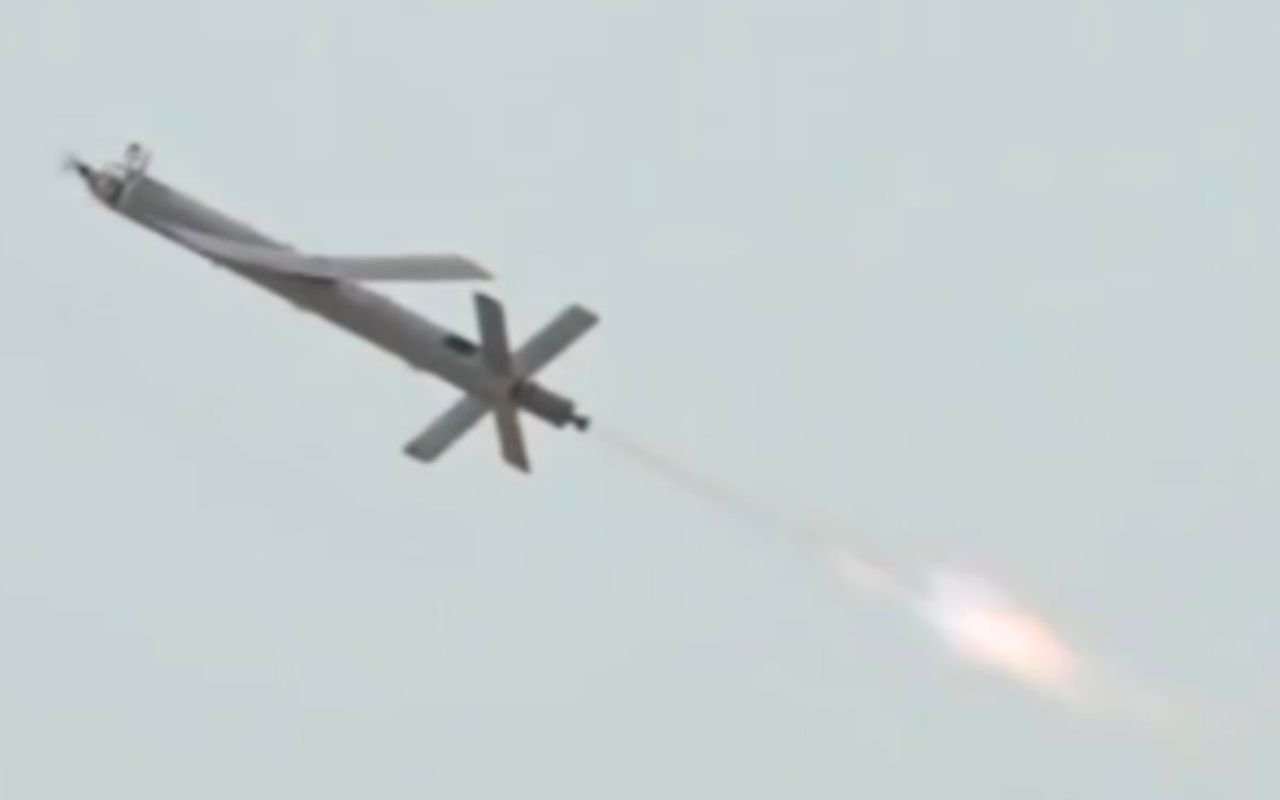
Iran has recently introduced the upgraded Shahed-101 kamikaze drone, boasting enhanced capabilities that could shift dynamics in modern warfare and aerial combat.
The unveiling of the latest version of the Shahed-101 loitering munition signals a notable advancement in Iran’s unmanned aerial vehicle (UAV) technology. This kamikaze drone, designed for tactical strikes, is now equipped with improvements that increase its stealth, range, and payload efficiency. As tension escalates in several regions, the deployment of drones like this one highlights the evolution of warfare into a domain heavily reliant on unmanned strike assets. Understanding the design, capabilities, operational use, and strategic implications of this upgraded Shahed-101 sheds light on how drone warfare is reshaping international military strategies and defense postures.
Technological advances and design improvements of the upgraded Shahed-101 drone
The new Shahed-101 kamikaze drone has been re-engineered to present significant challenges to existing air defense systems. One of its standout features is a redesigned propulsion system which contributes to a quieter operation and enhanced maneuverability. These changes allow the drone to fly at lower acoustic profiles, making detection by radar and sound sensors more difficult compared to earlier models. In addition to propulsion advancements, the airframe has undergone modifications to optimize aerodynamic efficiency. The drone’s structure is crafted from lightweight composite materials that reduce weight and increase flight endurance. This means longer loitering times over target areas and greater operational flexibility for tactical commanders in the field. Range extension has also been a critical focus. The Shahed-101 now reportedly reaches distances of up to 900 km, which significantly broadens the strategic envelope for Iranian forces or their allies operating this platform. This increased range allows strikes deep into enemy territory without exposing launch sites to immediate counterattack. Furthermore, the drone carries a warhead approximately weighing 10 kg, capable of precision strikes against both soft and hardened targets. This balance between payload and endurance makes the Shahed-101 a formidable tool for strikes that require surgical accuracy with minimal collateral damage—although concerns about indiscriminate targeting persist. In a modern battlefield environment, these technical enhancements translate to improved survivability and mission success rates. The ability of a strike drone to approach stealthily and engage targets autonomously or via remote control has reshaped tactical doctrines, especially in asymmetric warfare scenarios where conventional air power may face limitations.
Field deployment and strategic applications of the Shahed-101 in conflict zones
The upgraded Shahed-101 is designed for rapid deployment across various theaters of conflict, demonstrating Iran’s strategic intent to proliferate this technology among allied forces or proxies. Thanks to its compact size and reliance on simplified launch systems, it can be operated from improvised airstrips or even mobile platforms, removing the necessity for sophisticated infrastructure. This adaptability allows the drone to be highly effective in hybrid warfare situations, blending covert reconnaissance with rapid strike capabilities. Such drones have been recently observed in conflict zones where Iranian-backed forces or Russian proxies have launched coordinated attacks on logistics hubs and frontline positions, with the Shahed-101 playing a decisive role. These drones are typically employed in swarm tactics where multiple units saturate enemy defenses simultaneously, overwhelming radar and missile systems. This is especially critical against technologically advanced opponents, as even sophisticated air defense systems struggle to track and intercept dozens of small, fast-flying drones. Tactical strikes on supply chains and infrastructure have become a hallmark of the Shahed series’ use, directly impacting battle outcomes by limiting the enemy’s resupply and reinforcement options. For example, Ukrainian military reports reveal the presence of Shahed-101 drones disrupting vital transport routes and ammunition depots near combat zones. The operational effectiveness of these drones also highlights a broader shift in warfare where unmanned systems complement or replace traditional manned strike aircraft, reducing costs and risks to personnel. This shift has sparked concerns among NATO members and other military alliances, prompting reevaluation of air defense postures in response to these agile threats.
Comparative analysis: Shahed-101 versus other loitering munitions and kamikaze drones
When compared to other loitering munitions globally available, the Shahed-101 occupies a mid-range category in terms of size, payload, and endurance. Drones like the American Switchblade 300 are smaller and intended for tactical short-range missions, while larger counterparts such as Israel’s Harop have extended ranges and heavier warheads. The Shahed-101’s strongest advantage lies in its combination of range and payload balance, making it versatile for a wide variety of targets—something the smaller tactical drones cannot match. Meanwhile, compared to more advanced stealth drones, the Shahed-101 loses in radar evasion but compensates by cost-effectiveness and ease of production. Additionally, its design favors mass production, with components reportedly reverse-engineered and replicated in different facilities to ramp up supply volume. This contrasts with Western drone programs, which often prioritize high-tech features but come with vastly higher production expenses. As a result, the Shahed-101 has become a symbol of affordable and effective kamikaze drones on modern battlefields. This affordability and ease of deployment make the Shahed-101 particularly attractive for irregular forces, which might lack access to expensive air power options. Furthermore, the ability to operate these drones with minimal training democratizes access to highly lethal strike capabilities. Ultimately, the debate continues about whether such loitering munitions represent the future backbone of aerial warfare or a specialized tool in a diverse arsenal. The Shahed-101’s success in recent conflicts suggests these platforms will remain relevant for years to come.
International reactions and geopolitical impacts of the enhanced Shahed-101 drone
The announcement of the enhanced Shahed-101 has triggered a wave of concern among countries vulnerable to drone attacks, particularly in the Middle East and Eastern Europe. States like Saudi Arabia, the UAE, and Ukraine have openly condemned the proliferation of these drones, highlighting their use in destabilizing regional peace and security. This expanded capability is seen as a threat that could upset existing military balances, forcing those countries to invest heavily in counter-drone technologies such as jammers, directed-energy weapons, and improved radar networks. The quick escalation in drone-enabled attacks has demonstrated that traditional missile defense systems struggle to neutralize swarming loitering munitions, accelerating calls for innovation. Moreover, the Shahed-101’s distribution to proxy groups amplifies the complexity of conflicts, enabling non-state or semi-state actors to conduct effective air strikes. This phenomenon complicates diplomatic efforts and peace processes, as deniability and attribution become more challenging. Countries like Russia have reportedly increased their use of these drones in Ukraine, while the U.S. has attempted to develop countermeasures and even mimic Iranian designs to keep pace. This ongoing technology race reflects a new facet of asymmetrical warfare where drones are pivotal instruments. Geopolitically, the enhanced Shahed-101 drone has sharpened alliances and rivalries, pushing nations to rethink military aid, UAV regulations, and export controls on drone technology. The rise of drone combat has become a focal point in international security discussions, highlighting the blurred lines between conventional war and hybrid conflict scenarios.
Challenges and countermeasures against Shahed-101 drone threats
With the increased deployment of upgraded Shahed-101 drones, military forces worldwide are grappling with new defensive challenges. The agility, low radar signature, and swarm tactics of these drones require innovative detection and interception strategies. Traditional air defense systems were initially designed to counter manned aircraft and ballistic missiles—not small, low-flying drones that can saturate a battlefield from multiple angles. This has led to the accelerated development of specialized anti-drone technologies, including:
- Electronic warfare systems: Jamming signals to disrupt control links and GPS navigation of kamikaze drones.
- Directed-energy weapons: Laser systems and microwave emitters capable of destroying or disabling drones at close range.
- Automated radar networks: Advanced tracking arrays optimized to distinguish drone swarms from clutter.
- Kinetic interceptors: Small surface-to-air missiles and anti-drone guns developed specifically for fast reaction.
Despite these advancements, many defense units face difficulties due to the drones’ low cost allowing for frequent replacement, and their ability to surprise through unexpected flight paths. Furthermore, the proliferation of such technology outside state control magnifies risks of terrorist groups specializing in drone-based attacks. Military researchers are also experimenting with artificial intelligence-based detection systems, seeking to automate threat recognition and response to faster and more effective levels.
The table below outlines the main countermeasure approaches along with their advantages and limitations:
| Countermeasure | Advantages | Limitations |
|---|---|---|
| Electronic warfare | Disrupts control signals, GPS; non-lethal | Effectiveness can be reduced by hardened drones or autonomous modes |
| Directed-energy weapons | Instant hit, silent, low ammo usage | Limited range and high power consumption |
| Automated radar networks | Better swarm detection and tracking | High cost and complex integration with existing defense layers |
| Kinetic interceptors | Reliable destruction of individual drones | Expensive per shot; risk of collateral damage |
Developing comprehensive layered defenses combining several of these tools is currently viewed as the most effective strategy to neutralize upgraded Shahed-101 threats on future battlefields.
What is the primary role of the Shahed-101 drone?
The Shahed-101 is primarily used as a kamikaze or loitering munition drone designed for tactical precision strikes against a variety of military targets, including logistics and infrastructure.
How has the Shahed-101 been enhanced in the latest version?
The upgraded Shahed-101 features improved stealth via a redesigned propulsion system, extended range up to 900 km, weight-optimizing materials, and a balanced 10 kg warhead for precision strikes.
Why are countries concerned about the proliferation of Shahed-101 drones?
The widespread availability of these drones to proxies and allied forces threatens regional stability and complicates air defense, prompting nations to develop new countermeasure technologies.
What countermeasures can defend against Shahed-101 drone attacks?
Effective defences include electronic warfare jamming, directed-energy weapons, automated radar tracking, and kinetic interceptors, although each has limitations when faced with drone swarms.
How does the Shahed-101 compare to other kamikaze drones globally?
The Shahed-101 is a mid-range loitering munition offering a balance of range, payload, and cost, making it more affordable and versatile compared to smaller tactical drones or larger, more expensive systems.
