The strategic significance of Kharg Island as Iran’s energy lifeline has never been more critical, with US special forces considering a bold move that could reshape Middle Eastern geopolitics and global energy markets.
Kharg Island stands as a near-mythical pivot in the ongoing Iran conflict, dominating approximately 90% of the Islamic Republic’s oil exports. At the heart of America’s search for a definitive strike, SEAL Team Six might be tasked with seizing this crucial energy artery. Such an operation could dramatically influence the war’s trajectory and the global energy landscape. Yet, the potential risks from political blowback to soaring crude prices—paint a complex picture of high-stakes strategy and calculated risk-taking.
Strategic value of Kharg Island in Iran’s oil export network
Located some 24 kilometers off Iran’s southern coast in the Northern Persian Gulf, Kharg Island operates as the central hub for virtually all of Iran’s crude oil exports. This fact alone bestows the island with immense strategic importance not merely as a geographical asset but as a critical economic lifeline for the Iranian regime. Approximately 90% of Iran’s oil export volume moves through this facility, highlighting its role as a choke point in global energy supply chains. The island’s infrastructure dates back to the reign of the Shah and boasts the capacity to load up to seven million barrels of oil daily onto tankers. Such throughput makes Kharg indispensable, especially given alternative export terminals handle only a fraction of Iran’s total oil shipments. Consequently, any disruption at Kharg could effectively cripple the Iranian economy by choking off a primary source of foreign revenue essential to regime survival. In the broader geopolitical context, the Persian Gulf’s importance as a major oil supplier means disruptions at Kharg reverberate beyond regional borders, directly impacting global markets. For instance, tensions around this island are a key factor behind spikes in oil prices that affect energy costs worldwide. Despite its strategic weight, Kharg Island has remained relatively untargeted during past conflicts, largely due to the potential repercussions. Yet, as American policymakers seek a decisive “center of gravity” strike to break Iranian resolve, Kharg’s significance as a potential target has surged. Seizing the island would represent not just a military action, but an economic strike designed to cripple Iran’s funding capabilities. Such a move, however, carries with it the implicit danger of higher crude oil prices due to immediate disruption of exports. This warning is not theoretical; recent months have witnessed a sharp 54% increase in crude prices, reflecting the volatile nature of the global energy market’s response to instability around Kharg. Hence, the strategic importance of the island is mirrored by its potential to ignite political and economic challenges worldwide.
How SEAL Team Six could execute a high-risk operation on Kharg Island
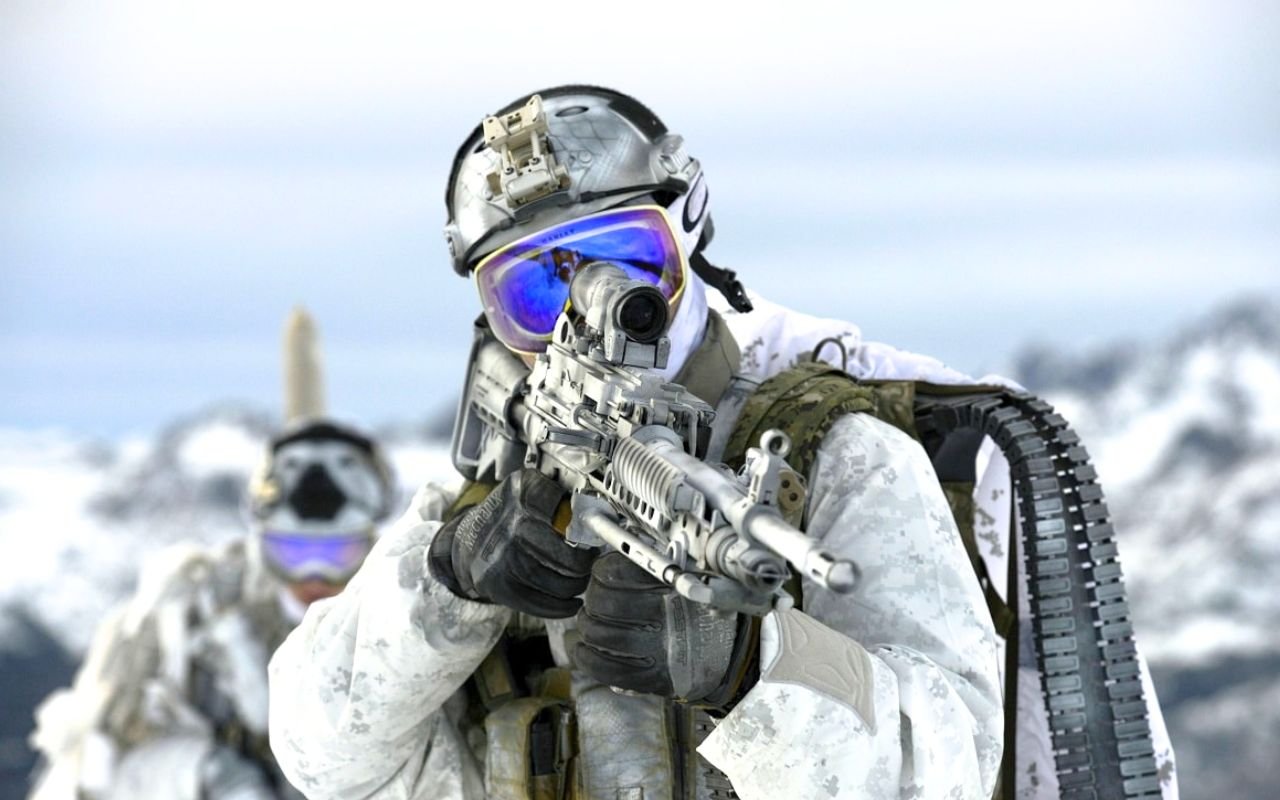
Special operations forces like SEAL Team Six are uniquely equipped to conduct high-stakes, precision missions in hostile, complex environments such as Kharg Island. Their expertise in maritime stealth, parachute insertions, and amphibious assaults positions them as the ideal unit for an operation that demands surprise and speed. A potential mission could begin with insertion methods such as submarine deployment using SEAL delivery vehicles or a High-Altitude Low Opening (HALO) parachute drop. These sophisticated infiltration techniques enable operators to enter Iranian territory covertly, circumventing conventional defenses. Once on the island, SEALs would need to secure key points critical to oil export operations, including storage tanks, loading docks, and command centers. Given Kharg’s proximity to Iranian mainland defenses and the presence of the Islamic Revolutionary Guard Corps’ Quds Force, the operation would face intense resistance. The island’s fortifications and Iran’s attempts to strengthen naval capabilities, albeit diminished in recent years due to attrition, present formidable obstacles. SEAL Team Six would likely need rapid support from U.S. Marines to hold the island once captured, reinforcing the initial assault force and preparing for probable Iranian counterattacks. Moreover, essential assets like Navy helicopter search and rescue teams would need to be on alert to extract wounded personnel quickly in a hostile environment. The logistical complexity involves ensuring continuous resupply of ammunition, food, and medical aid, demanding careful planning and coordination within a hostile theater. Yet, while the SEALs possess unmatched experience from countless operations globally, the mission’s risk is amplified by the political stakes. Any casualties or prolonged fighting on the island might fuel domestic opposition in the U.S., complicate diplomatic negotiations, and escalate the conflict further. Despite the dangers, the strategic payoff is significant: seizing Kharg would effectively cut off Iran’s economic lifeblood, potentially forcing Tehran into negotiations under severe duress.
Potential global ramifications from disrupting Iran’s oil exports at Kharg
The ripple effects of an attack on Kharg Island could extend far beyond military strategy, significantly influencing global energy markets and geopolitical dynamics. Currently, crude oil prices hover around €89 per barrel, reflecting recent surges driven by tensions in the Middle East. A sudden stoppage of exports from Kharg could send prices soaring yet again, exacerbating inflationary pressures worldwide. Energy security is a critical concern for many nations dependent on Middle Eastern oil, and any disruption in supply risks cascading economic consequences. Nations might scramble to secure alternative sources, driving a scramble for oil assets globally. Meanwhile, countries heavily reliant on Iranian oil revenues might experience economic destabilization, leading to broader regional instability.
To appreciate the scale, consider this overview of the impact if Kharg Island’s export operations were fully disrupted:
- Immediate loss of roughly 7 million barrels per day from global crude oil supplies
- Energy price volatility impacting transportation, manufacturing, and consumer goods costs
- Oil importers scrambling to find alternative suppliers or increasing domestic production
- Heightened geopolitical tensions as allies and adversaries adjust strategies
This scenario demonstrates why U.S. leaders tread cautiously, balancing military objectives with economic stability. The 54% price increase recorded recently serves as a stark reminder of the stakes involved—decisive action risks painful consequences for consumers worldwide. Energy market analysts warn that targeting Kharg, while a powerful lever against Iran, could backfire by energizing global inflationary trends and provoking unintended diplomatic fallout. Hence, any move to seize the island must consider the delicate equilibrium of military strategy and economic prudence.
Pros and cons of using special forces versus large-scale military operations in Iran
The military strategy to exert maximum pressure on Iran oscillates between targeted special operations and broader conventional campaigns. Special forces, such as SEAL Team Six and Delta Force, provide unmatched precision and secrecy but come with limitations related to logistics, risk, and potential escalation.
Advantages of special operations include:
- Minimized footprint: Small, agile units reduce the risk of prolonged ground wars and limit U.S. casualties.
- Targeted impact: Ability to conduct highly surgical strikes on critical infrastructure, such as Kharg’s oil terminal or nuclear sites.
- Rapid execution: Quick insertion and exfiltration reduce exposure time and the likelihood of drawn-out engagements.
Challenges faced by special operations:
- Logistical constraints: Supplying teams deep inside hostile territory is difficult, and combat search and rescue (CSAR) operations entail high risk.
- Political sensitivity: Any casualties or failures can spark domestic backlash and complicate diplomatic resolutions.
- Limited scalability: Holding territory requires follow-up with larger conventional forces, tying down military resources.
In contrast, large-scale military operations potentially overwhelm Iranian defenses through sheer force but risk prolonged conflict, higher casualties, and uncertain political outcomes. The U.S. administration’s hesitation to enter “forever wars” reflects a desire to avoid entanglements reminiscent of past prolonged Middle East conflicts.
These realities frame the current debate: whether a focused strike by elite units at a key energy artery like Kharg can achieve strategic objectives without escalating into an open-ended ground war.
Historical context and evolving U.S. strategy towards Iran’s energy infrastructure
For decades, Kharg Island has been a strategic target of interest for U.S. policymakers, yet it remained off-limits due to concerns about geopolitical repercussions and oil market instability. During the Gulf Wars, military planners avoided major strikes on Iranian energy infrastructure to prevent escalating the regional war and disrupting global oil supplies. The Trump-era administration reignited interest in more aggressive tactics, considering “center of gravity” strikes intended to force Iran into unconditional surrender. The potential use of SEAL Team Six to seize Kharg fits into this larger framework of targeted, high-impact maneuvers designed to sharply curtail Tehran’s ability to sustain its regional ambitions. Iran’s political leadership, including the recent appointment of Mojtaba Khamenei as Supreme Leader, underscores the regime’s resilience and unwillingness to capitulate easily. This hardening stance complicates diplomatic efforts and increases the likelihood that military pressure remains the chosen path. Energy remains a key battleground in this strategic contest. The United States and its allies use sanctions, military presence, and special operations as tools to constrict Iran’s financial lifeblood. Operations touching on Kharg Island represent the cutting edge of this approach, potentially marking a new chapter where energy infrastructure becomes the decisive axis in conflict resolution. Whether this strategy will culminate in a negotiated ceasefire or further intensify hostilities is the question pressing the minds of military planners and policymakers alike.
Operational timeline and key events of Operation Epic Fury focused on Kharg Island
| Date | Event | Significance |
|---|---|---|
| Early 2026 | Operation Epic Fury commences with intensive airstrikes on Iranian military facilities | Intended to degrade Iran’s combat abilities and create pressure for surrender |
| March 9, 2026 | Crude oil prices spike to €89 per barrel, up 54% in prior month | Reflects rising tensions linked to looming potential seizure of Kharg Island |
| April 2026 | Consideration of SEAL Team Six raid on Kharg Island intensifies | Marks shift to direct targeting of the energy lifeline |
| May 2026 | Reinforcement of U.S. naval forces in the Persian Gulf area | Preparing for possible maritime special operations and contingency plans |
| June 2026 | Final operational plans for a potential Kharg Island seizure formulated | Strategic planning phase before possible execution |
With global eyes watching, the possibility that SEAL Team Six could disrupt Iran’s critical oil infrastructure encapsulates the delicate balance between military ambition and economic stability in modern conflict.
Why is Kharg Island so crucial to Iran’s economy?
Kharg Island is the main hub through which approximately 90% of Iran’s oil exports flow, making it vital for the regime’s revenue and economic survival.
How could SEAL Team Six approach a mission to seize Kharg Island?
The team could deploy via submarines, use SEAL delivery vehicles, or perform high-altitude parachute insertions to covertly take control of the island’s oil facilities.
What are the potential global consequences of disrupting oil exports from Kharg?
Disrupting Kharg could cause a spike in global oil prices, increased energy insecurity, and geopolitical instability, impacting economies worldwide.
Why has Kharg Island remained a sensitive target historically?
Concerns over global energy market disruption and geopolitical escalation have historically led to restraint in attacking this critical Iranian oil hub.
Could an operation on Kharg Island end the Iran conflict?
While seizing Kharg could pressure Iran economically, the regime’s resilience suggests it may prolong conflict rather than trigger immediate surrender.
