The Strait of Hormuz remains a critical artery for global energy supply, with Iran selectively allowing passage to Chinese vessels despite rising regional tensions.
This narrow waterway has seen significant disruptions due to geopolitical rivalries and threats to navigation stemming from Iran’s strategic maneuvers. Yet, amid these disruptions and cautions toward the global maritime community, Chinese-linked ships continue to move through the strait, spotlighting a complex web of economic interests, political alliances, and security considerations. The unique status of Chinese vessels in this contested corridor reveals much about Tehran’s balancing act between asserting control and safeguarding vital trade flows.
Why the Strait of Hormuz Holds Enormous strategic value in global energy routes
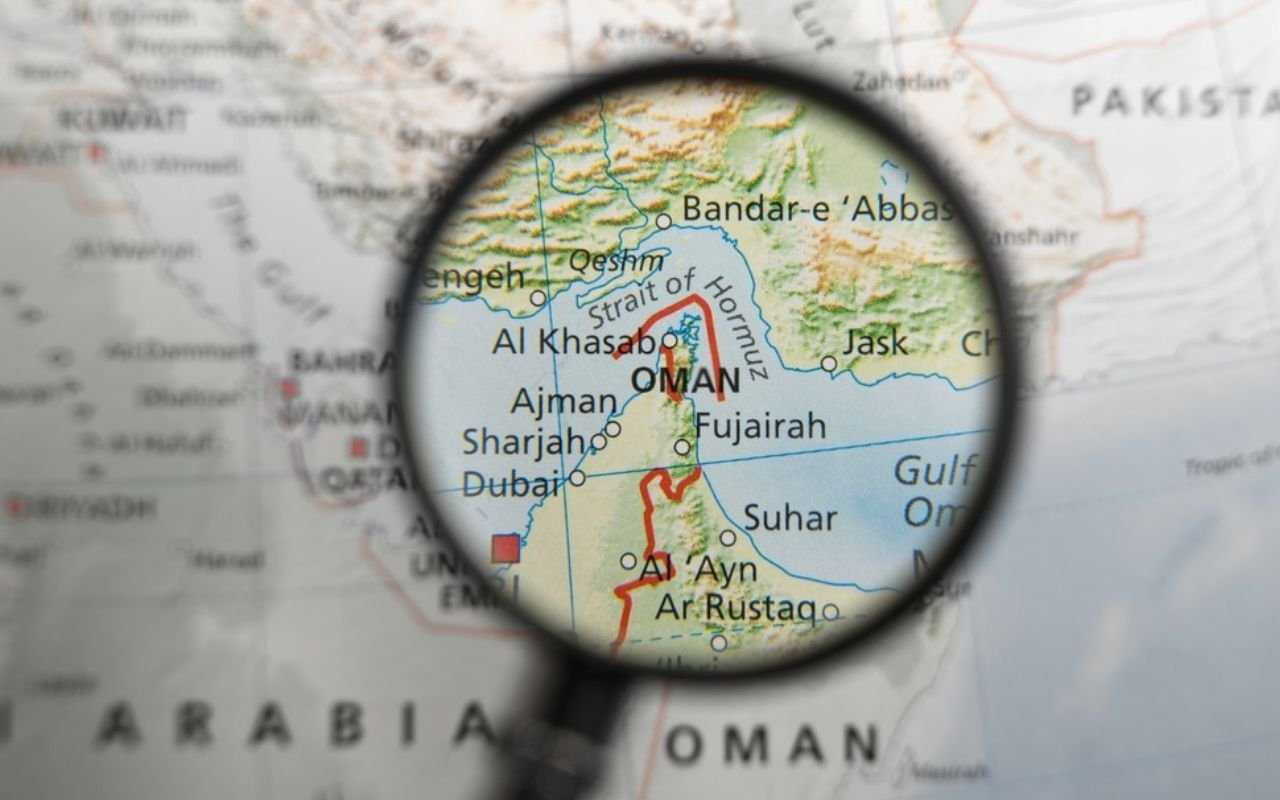
The Strait of Hormuz is one of the most important maritime chokepoints in the world, connecting the Persian Gulf with the Gulf of Oman and the Arabian Sea, facilitating direct access to the Indian Ocean. Stretching about 200 kilometers in length, it channels roughly 20% of the world’s seaborne oil trade daily, representing millions of barrels of crude oil transiting to global markets. This makes the strait an indispensable artery in the global energy supply chain.
Given its importance, even minor disruptions or threats have an exaggerated impact on international shipping and energy markets. Recently, escalating military tensions, fueled by Iranian warnings, have led to a drastic reduction in the number of vessels willing to navigate these waters. Maritime data from 2026 reveal that daily ship transits dropped by over 90%, illustrating the chilling effect uncertainty imposes on shipping companies wary of conflict escalation.
The stakes are high: Iran’s elite Revolutionary Guards Corps, responsible for maritime security, has openly declared readiness to target unauthorized vessels in case of heightened hostilities. This public posture has forced many commercial ships to anchor near the strait, hesitating to risk passage. The broader international community watches nervously, aware that a blockage or significant disturbance in Hormuz could trigger global energy price spikes and broader geopolitical instability.
Nevertheless, despite these risks and the atmosphere of caution, a conspicuous subset of ships is still maneuvering through the strait. Notably, vessels linked to China continue their transit without interruption. This selective permeability raises questions about the underlying dynamics allowing these exceptions and the strategic interests at play.
Exploring Tehran’s strategic calculus in allowing Chinese ships through Hormuz
The key reason some Chinese vessels retain passage rights in the Strait of Hormuz lies in the increasingly close strategic partnership between Iran and China. Over the last decade, China has emerged as one of Iran’s main economic backers and largest customers for Iranian crude, sometimes circumventing US and EU sanctions. For Tehran, these sales are not just financial lifelines—they underpin national resilience amid pressures from Western powers.
In 2021, Iran and China signed a sweeping 25-year cooperation agreement that extends beyond energy into infrastructure investment, technological collaboration, and security coordination. Analysts from institutes like the French Ifri highlight that this framework enhances Tehran’s access to critical resources and underpins Chinese influence in the Middle East. China’s ability to secure energy supplies hinges on unimpeded access through the Hormuz corridor, making it a shared interest for both states to keep this channel operational despite broader regional volatility.
This partnership also impacts maritime security policy. The Revolutionary Guards reportedly treat Chinese-flagged or Chinese-controlled vessels as permissible through the Strait, viewing them as partners rather than threats. This privileged status is supported by data from maritime intelligence firms like Kpler, which have documented intentional identification changes by some ships around Hormuz—altering registries or crew nationality displays to avoid interception or to signal their Chinese ties.
In sum, the ongoing Iran-China cooperation in energy, infrastructure, and security explains why Tehran tolerates and even indirectly facilitates Chinese maritime transit. These concessions not only stabilize essential trade but further cement China’s footprint in the region’s geopolitical chessboard.
Tracking the maritime movements: anomalies and tactics employed by Chinese-related ships
Observing patterns of vessel behavior in the Strait of Hormuz unveils a fascinating tableau of tactical navigation shaped by risk management and diplomatic signaling. Commercial intelligence highlights that some ships linked with China adjust their AIS (Automatic Identification System) signals, sometimes switching flags or altering ship names, to minimize their profile. These shifts are tactical responses to the unpredictable security environment where a wrong identifier could invite interception or confrontation.
Moreover, reports indicate that certain vessels even claim to have predominantly Muslim crews. This practice appears designed to mitigate suspicion and lessen chances of being flagged by Iranian forces in a region where religious and cultural affinities weigh heavily in security calculations. Though subtle, these maneuvers reveal how commerce adapts to geopolitical friction points beyond straightforward maritime regulations.
Such complex behavior testifies to the high stakes involved: ensuring passage through Hormuz means not only negotiating international maritime protocols but also navigating the unpredictable calculus of political and military power. This multilayered navigation process adds a hidden depth to the already critical commercial shipping routes passing through here. It underscores that in 2026, freedom of navigation has become as much about diplomatic savvy and regional alliances as about maritime law enforcement.
At the same time, this selectivity disturbs broader regional shipping. Many non-Chinese vessels remain anchored outside the strait in hopes the situation stabilizes, and some have even rerouted to longer, costlier paths around southern Africa. This shift pressures global shipping logistics and contributes to rising freight costs, reinforcing the strait’s role as a potent geopolitical lever.
How China balances international pressure while safeguarding its energy lifeline
China’s response to the disturbances around the Strait of Hormuz strikes a careful balance between advocating for uninterrupted maritime trade and managing rising tensions on the ground. Beijing’s official statements consistently call for all parties to protect safe transit, underscoring the strait’s essential role in global commerce.
This diplomatic stance comes amid practical efforts behind closed doors to negotiate with Tehran for assured safe passage of crude oil and liquefied natural gas (LNG) vessels. Reports from diplomatic sources in 2026 detail ongoing talks where China seeks explicit guarantees from Iran to avoid future disruptions, even as US-Israeli conflicts with Tehran intensify. These negotiations illustrate that China prioritizes securing its energy supply chain while avoiding direct confrontation.
Despite international calls for multilateral protection of the strait involving the US and Gulf states, China resists any militarized intervention that might escalate hostilities or disrupt its burgeoning strategic ties with Iran. This approach positions China as a pragmatic player focusing on energy security and regional influence, rather than as a reckless provocateur.
This strategy is further embedded in broader China-Gulf relations, where Beijing maintains significant investments and trade ties with Gulf Cooperation Council (GCC) countries. The Strait stands as a geopolitical nexus where China’s economic interests intersect with its calculated diplomatic posture aiming to preserve stability enough to keep oil and gas flowing.
List of factors explaining Iran’s selective openness to Chinese vessels
- Mutual economic benefits: China purchases large volumes of Iranian oil, providing vital revenues amid sanctions.
- Strategic partnership agreement: A long-term cooperation deal covering infrastructure, technology, and security.
- Security collaboration: Iranian military tolerates Chinese-flagged vessels, recognizing shared interests.
- Identification tactics: Ships adjust AIS data to signal Chinese links, avoiding targeted interceptions.
- Religious and cultural considerations: Vessels employ Muslim crews to lower security risks in a volatile region.
- Diplomatic leverage: Iran uses selective openness as a bargaining chip in broader geopolitical negotiations.
- Geopolitical signaling: Allowing Chinese access reaffirms Tehran-Peking ties, sending a message to rival powers.
Summary of maritime traffic fluctuations in the Strait of Hormuz (2025-2026)
| Period | Average daily vessel transits | Notable events impacting traffic |
|---|---|---|
| Early 2025 | Approx. 80 vessels | Stable trade, minor regional tensions |
| Mid 2025 | 70 vessels | Heightened military alerts near Iran |
| Late 2025 | Less than 40 vessels | Iran issues warnings to unauthorized ships |
| Early 2026 | Below 10 vessels | Revolutionary Guards’ intensified threats and warnings |
| Mid 2026 | Around 12 vessels | Limited passage for Chinese-related ships |
Frequently asked questions about Strait of Hormuz and China-Iran maritime relations
Why is the Strait of Hormuz so critical to global energy markets?
Because it channels about 20% of the world’s maritime oil trade daily, any disruption could severely impact global energy prices and supplies.
How does Iran justify allowing only Chinese ships to pass through the strait?
Iran relies on China as a major economic and strategic partner, supplying crucial oil exports and engaging in long-term cooperative agreements that make China’s continued access essential.
What risks do other countries face when navigating the Strait of Hormuz?
With escalating threats from Iranian military forces, unauthorized vessels risk interception or conflict, leading many to delay passage or seek alternate, longer routes.
How does China maintain safe passage for its ships amid tensions?
China combines diplomatic calls for safe navigation with private negotiations with Iran, while vessels employ tactics like changing AIS data and crew profiles to avoid scrutiny.
What impact does this selective passage have on global shipping?
The sidelining of many vessels and the diversion of shipping routes increase freight costs and put strain on international trade logistics, emphasizing the strait’s strategic leverage.
