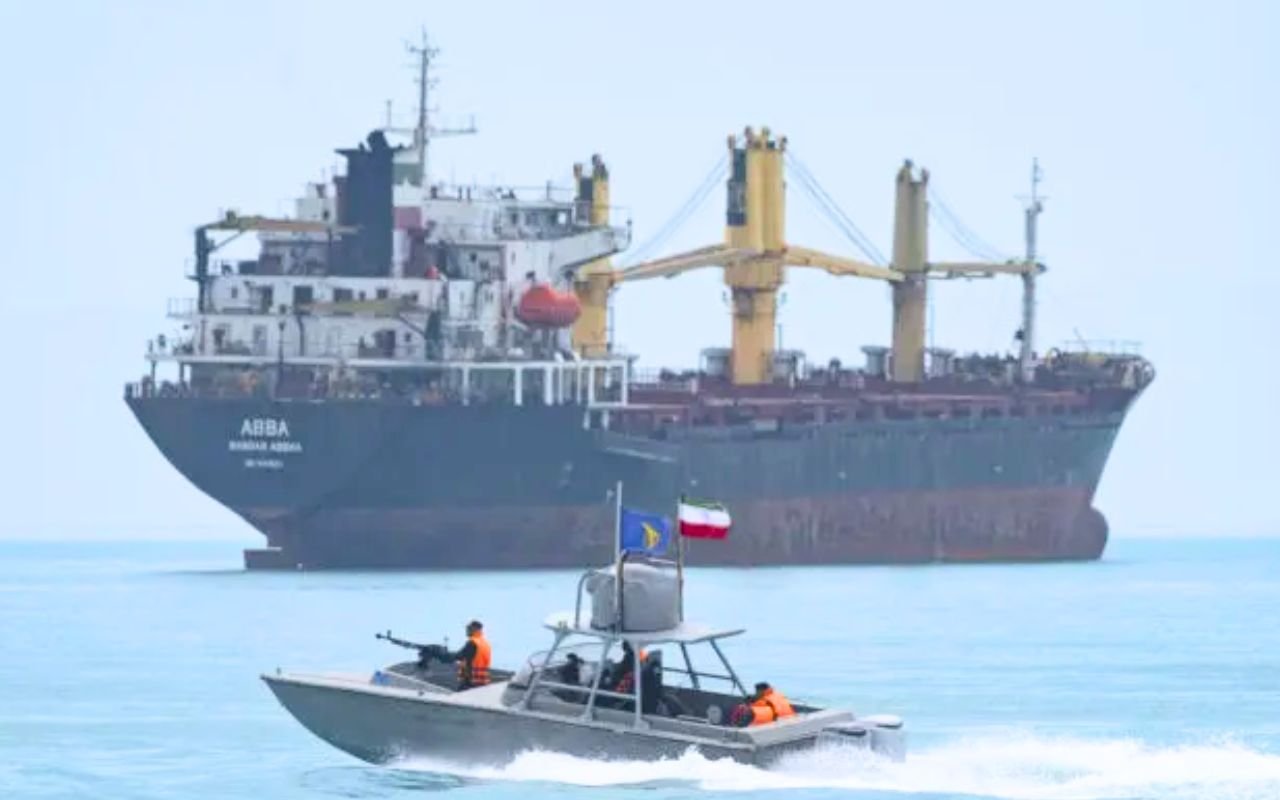
Amid escalating Middle Eastern conflict, Iran ties safe passage through the Strait of Hormuz to diplomatic breakups with the US and Israel, reshaping a crucial global energy route.
In a dramatic twist to an already tense geopolitical landscape, Iran has made a controversial diplomatic offer amid the ongoing war shaking the Middle East. Tehran proposes that any Arab or European country that expels or recalls its US and Israeli ambassadors would gain guaranteed, unhindered passage through the Strait of Hormuz, a critical corridor for global oil and gas shipments. This offer intricately combines military strategy with energy geopolitics, forcing regional and global players to rethink their alliance equations as the 2020s progress.
Understanding iran’s strategic maneuver to control passage rights in the strait of hormuz
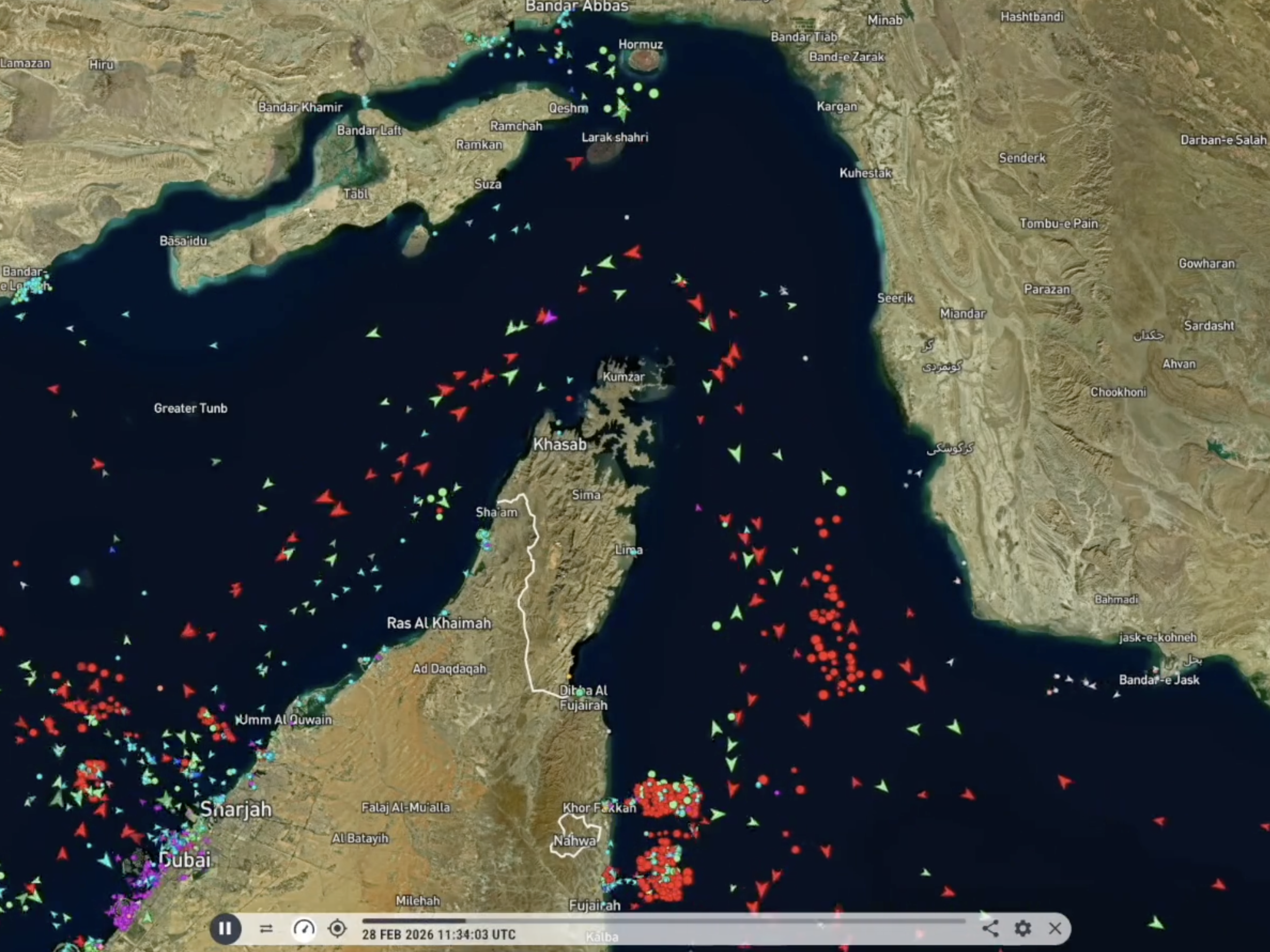
The Strait of Hormuz, a narrow but immensely strategic strip of water approximately 33 km wide at its narrowest point, connects the Arabian Gulf with the Gulf of Oman and beyond to the Arabian Sea. Roughly 20% of the world’s oil and natural gas trade passes through these waters daily, making it arguably the most critical chokepoint in global energy logistics. On March 9, 2026, the Islamic Revolutionary Guard Corps (IRGC) publicly declared that any Arab or European nation willing to sever diplomatic ties with the United States and Israel by expelling their ambassadors would receive full, secure access for its vessels passing through Hormuz. This announcement emerges amid a deepening conflict sparked by US and Israeli airstrikes on Iranian facilities since late February 2026, multiplying threats to energy security and maritime stability. This strategic proposition is far more than a mere offer of safe passage. It is an explicit attempt by Iran to leverage the strait’s global importance to force political realignment. By promising “unhindered freedom and authority” within the strait to compliant states, Tehran positions itself as the gatekeeper controlling vital energy flows while punishing those allied with Washington or Tel Aviv. Iran’s action capitalizes on the strait’s unique geography and economic weight. The nation doesn’t seek to close Hormuz outright but to create political incentives and sanctions through naval influence, a sophisticated blend of coercive diplomacy and maritime strategy rarely seen on the international stage.
The mechanics of coercive diplomacy via maritime chokepoints
The essence of Iran’s approach rests on transforming a vital maritime corridor into a political tool. While the world depends on Hormuz for energy transit, Tehran uses this dependency to pressure decision-making in other capitals. Countries that comply with Iranian demands would enjoy stabilization or even increased security guarantees for their shipping, directly benefiting their energy imports and exports.
This tactic plays on two central fears among global oil consumers and producers:
- Energy supply disruptions caused by rising conflict tension;
- The economic consequences of soaring oil prices on domestic and international markets.
Iran’s promise allows it to appear as a stabilizing force to compliant countries, while signaling to adversaries that their access could be hindered or denied if they maintain hostile policies toward Tehran. In effect, this new diplomatic gambit merges military leverage with maritime commerce, encouraging governments to reconsider their alliances carefully. It presents a direct challenge to the established security order in the Gulf, led by the US and its allies, and introduces a new dimension to regional power dynamics.
Why the strait of hormuz is iran’s prized geopolitical lever in regional conflicts
Geopolitically, control over the Strait of Hormuz means control over a physical artery that keeps the world’s energy economy flowing. Holding sway here provides not only economic benefits but also significant bargaining power in the diplomatic arena. Oil tankers and gas shipments that transit through Hormuz amount to roughly 21 million barrels of oil per day. This places enormous pressure on all regional states to maintain open and secure navigation, as interruptions would trigger global economic shockwaves. Since the February 2026 airstrikes, the region has witnessed a sharp drop in maritime traffic, estimated at an 80% decline according to prominent global media. This drastic reduction reflects fears of naval confrontations and the possibility of vessels being targeted in an increasingly militarized waterway. The immediate fallout has been a surge in oil prices, with Brent crude reaching unprecedented levels since 2022. For Iran, this not only underlines its pricing power but underscores the strategic value of Hormuz as a pressure point. Controlling access allows Tehran to effectively influence global markets without resorting to full blockade tactics.
Regional security and economic consequences
Countries bordering the Strait – including Oman, the United Arab Emirates, and Saudi Arabia – find themselves at the epicenter of this emerging power struggle. Each nation must balance its economic reliance on uninterrupted oil exports with the growing military presence and rhetoric in the Gulf. The US and its Western allies continue naval patrols and deterrence missions, risking escalating clashes with Iranian naval forces. The risk translates into higher insurance costs for shipping companies, operational delays, and potential rerouting of tankers that add costs and delays to the supply chain. The use of Hormuz as geopolitical leverage speaks directly to the wider struggle between Iran and its adversaries. The strait is at once a literal gateway to global energy and a symbol of Tehran’s rising regional assertiveness.
Diplomatic ramifications of the ultimatum to expel US and Israeli ambassadors
The demand for countries to expel or recall ambassadors is a seismic diplomatic move with deep implications. Expelling an ambassador effectively severs diplomatic relations, signaling major political disapproval or hostility. This kind of measure is severe and strategic, it disrupts traditional channels of communication, complicating any attempts at negotiation or de-escalation. For many nations, such a step risks alienating powerful allies and could destabilize regional security partnerships. European states, many of which maintain close ties with the US through NATO and shared security interests, face an unprecedented dilemma. The proposal threatens to unravel decades of diplomatic cohesion between Western powers and their Middle Eastern partners. Among Arab states, the situation is equally complex. Many Gulf countries rely heavily on US military presence for security against regional threats. Simultaneously, several have recently normalized relations with Israel through the Abraham Accords, aiming for regional stability and economic development.
The political cost for states weighing Iran’s proposition
Adopting Iran’s condition to expel US and Israeli envoys comes with a steep price. Countries agreeing to the terms may see retaliatory actions ranging from sanctions to diplomatic isolation by Western powers, alongside severe economic repercussions. This creates a high-stakes scenario where governments must weigh the tangible economic benefit of secure passage through Hormuz against the broader risks of fracturing critical alliances and jeopardizing security guarantees. The complexities are heightened by the uncertainty surrounding Iran’s actual control capabilities. The strait remains a contended zone with significant naval assets from multiple countries, making the guarantee of safe passage challenging to uphold in practice.
Balancing economic incentives against geopolitical risks in the Persian Gulf
Iran’s proposal marries an attractive economic offer with a politically charged demand. For many nations, especially those heavily dependent on uninterrupted energy flows, the promise of guaranteed access through Hormuz is a highly desirable benefit. Energy markets in 2026 remain volatile, with prices subject to sharp fluctuations caused by geopolitical uncertainty. The assurance of safe maritime logistics could help stabilize domestic markets, reducing inflationary pressures tied to energy costs. Nonetheless, the economic calculus is entangled with political and security dimensions that complicate decision-making. Expelling ambassadors and realigning foreign policy in line with Tehran’s demand would disrupt longstanding international relations and could destabilize regional coalitions and global markets alike.
Potential ripple effects across global energy and security frameworks
Here is a summary of the potential impacts from Iran’s Hormuz ultimatum:
| Area | Positive effects for complying countries | Risks and challenges |
|---|---|---|
| Economic | Secure, uninterrupted energy transport; potential reduction in shipping insurance costs | Risk of sanctions; potential loss of trade with Western powers |
| Diplomatic | Strengthened ties with Iran and aligned states | Damage to relationships with US, Israel, and their allies; diplomatic isolation |
| Security | Potential decrease in maritime incidents for compliant vessels | Exposure to retaliation; uncertainty over guarantee effectiveness in contested waters |
Decisions around this proposal are likely to be made with extreme caution, given the wide-ranging consequences extending beyond the Gulf region.
The broader impact on global shipping and energy markets
The Strait of Hormuz crisis has significantly disrupted maritime traffic, with many shipping companies temporarily halting operations in the area. The increasing militarization combined with diplomatic brinkmanship makes for a precarious environment that threatens global economic stability.
The potential closure—or even the threat of obstruction—of Hormuz pushes oil prices upward, impacting markets worldwide. It triggers a ripple effect that increases costs for everything from transportation to manufacturing, given how integrated energy prices are with economic activity.
Shipping companies face higher insurance premiums due to the increased risks, compelling some to reroute vessels through longer, more expensive paths, driving up delivery times and costs.
For energy-importing nations, especially in Asia and Europe, the stability of this maritime corridor directly correlates with economic health. Any sustained disruption could exacerbate inflation and economic slowdowns, fueling a cycle of instability.
- Insurance costs for shipping through Hormuz have surged dramatically;
- Oil prices have seen record volatility following recent strikes and threats;
- Global supply chains risk delays and higher transport costs;
- Energy-importing countries are seeking alternate sources and routes to reduce dependency;
- Diplomatic dialogues are increasingly focused on securing safe navigation rights.
Why is the Strait of Hormuz so critical for global energy?
It channels roughly 20% of the world’s oil and gas trade daily, making it a vital artery for energy-exporting countries and global consumers alike.
What does expelling an ambassador signify in diplomacy?
Expelling an ambassador is a serious diplomatic act indicating a severe breakdown or suspension of relations between countries.
Can Iran realistically guarantee safe passage through the Strait?
Guaranteeing safe passage is complex due to the presence of multiple naval forces and ongoing regional conflicts; actual security depends on evolving military dynamics.
What are the global economic risks if the Strait is blocked?
A blockage or disruption raises oil prices, increases shipping costs, hinders global supply chains, and risks inducing economic slowdowns worldwide.
How do countries balance economic benefits against political risks in this context?
Governments must weigh the immediate advantages of secure energy access against potential diplomatic fallout, sanctions, and altered alliances.
