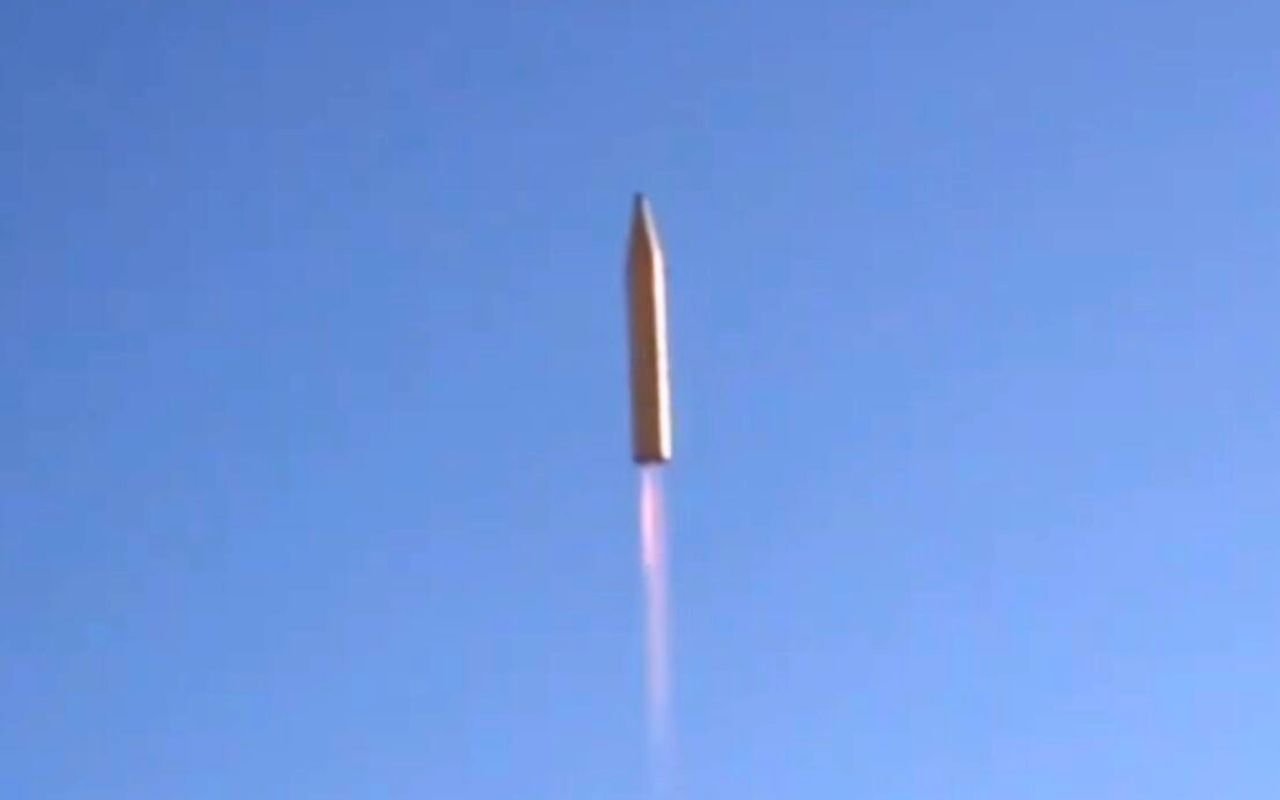
NATO’s rapid defense response highlights mounting tensions as Iranian ballistic missiles breach Turkish sovereign airspace twice within a week, signaling a new era of aerial threats in the Eastern Mediterranean.
Recently, NATO forces intercepted not one but two Iranian ballistic missiles that penetrated Turkish airspace. This unprecedented development underscores the increasing volatility in regional security and the critical role NATO’s integrated defense systems play in protecting member nations. With tensions simmering in the Middle East, Turkey has emerged at the forefront of geopolitical complexities, forced to balance its regional alliances while safeguarding its own skies. The second missile interception within days illustrates the elevated threat level and prompts questions about future NATO strategies amid ongoing hostility involving Iran and other powers.
How NATO’s integrated air defense systems prevented a potential crisis over Turkey
The interception of two Iranian ballistic missiles by NATO’s air defense in the Mediterranean marks a milestone in allied military cooperation. These missiles, launched from Iran, traversed Iraqi and Syrian airspace en route to Turkish territory, a NATO member and were successfully neutralized before causing harm. The rapid detection and obliteration of these threats showcase the effectiveness of NATO’s integrated aerial defense network, especially as it operates through a combination of radars, missiles, and command centers strategically placed across the Eastern Mediterranean and Southern Europe. In technical terms, NATO’s systems utilize layered defense strategies, involving long-range detection, tracking, and multi-tiered interception capabilities. For instance, ground-based Aegis Ashore systems combined with shipborne missile interceptors form a robust shield capable of responding to various missile types. Turkey’s close coordination with NATO command ensured the swift decision-making necessary to launch countermeasures the moment hostile ballistic activity was confirmed. Beyond merely stopping the missiles, the event emphasizes intelligence sharing among NATO members. Real-time data from satellites, drones, and allied radar stations allowed for a comprehensive understanding of missile trajectories. NATO’s network thus represents a high-tech web designed not only to prevent physical damage but also to deter future aggressive acts through credible defense posturing. Such an episode is rare but not isolated. It recalled earlier incidents where NATO had to deal with airspace violations or missile threats on its southeastern borders. However, the fact that Turkish airspace was breached twice in under a week indicates an escalation both in intent and capability from the Iranian side. The successful interception also sends a clear signal to Tehran that aggressive maneuvers near NATO members’ borders will be met promptly.

Implications for Turkey’s security and NATO’s regional defense posture
Turkey’s national security has been directly challenged as Iranian missiles enter its airspace, prompting NATO to reaffirm its commitment to collective defense under Article 5. The geopolitical repercussions are significant: Turkey stands as a frontline member in a region increasingly fraught with military provocations that test alliance unity. These missile breaches highlight escalating risks of miscalculation that could inadvertently spiral into wider conflict. The timely NATO response reinforces the credibility of its deterrence capabilities, yet it also breeds uncertainty about the stability of the Eastern Mediterranean security environment. Turkey now finds itself walking a tightrope between managing relations with Iran, a key regional player, and maintaining steadfast allegiance to NATO’s Western alliance. Moreover, these missile events come amid broader strategic tensions involving Iran, the United States, and Israel, with Turkey often linked to multiple intersecting interests. Ankara has been vocal about defending its sovereignty and demanding that Iranian provocations cease. The government’s public statements alongside NATO’s declarations of readiness underscore a joint message: NATO is prepared to shield its members from any ballistic threats. Turkey’s military has also been reviewing its air defense systems’ readiness, increasing patrols, and investing in new technology. In the face of these missile incidents, the government initiated emergency security protocols across impacted regions, including civil defense drills and community awareness programs to mitigate risks from potential debris or other collateral effects. This multi-layered approach to defense and crisis management reflects Turkey’s prioritization of protecting its territory while fostering resilience. However, these missile events place a strain on NATO’s diplomatic efforts with Iran and its neighbors. The alliance now faces a complex challenge: balancing deterrence and defense with ongoing diplomatic channels aimed at de-escalation. The continued missile launches suggest that conflict dynamics in the Middle East are becoming increasingly unpredictable, requiring NATO to recalibrate its regional posture carefully.
Key security measures enhanced by Turkey following the interceptions
- Expanded radar coverage along the southeastern border regions to improve missile detection range.
- Deployment of additional Patriot missile defense batteries to increase interception capacity.
- Strengthening intelligence-sharing frameworks between NATO, Turkey, and regional partners.
- Implementation of civilian emergency response plans for missile debris and fallouts.
- Regular joint military exercises with NATO forces to ensure rapid coordination during threats.
The broader strategic context: Iran’s missile launches amid regional conflict
Iran’s ballistic missile launches toward Turkey must be understood within the wider scope of Middle Eastern conflicts where multiple powers jockey for influence and security dominance. The missile firings come amid heightened tensions with the United States and Israel, as well as proxy confrontations in Syria and Iraq. Launching missiles that cross sovereign airspace is a high-risk act signifying aggressive posturing rather than accidental straying. This pattern reflects Iran’s growing missile capability and its strategic messaging to regional rivals and Western allies. Its missile program, long a point of international concern, has evolved with greater precision, range, and reliability. By testing these capabilities in areas near NATO members, Tehran may be signaling its willingness to push back against perceived encirclement or sanctions pressure. Iran’s actions also complicate diplomatic negotiations on nuclear and regional security issues. For example, ballistic missile tests interfere with ongoing talks intended to curb Iran’s nuclear ambitions. The missile flights over Turkey also raise questions about Iran’s adherence to international norms respecting airspace sovereignty and non-aggression principles. The risks of misinterpretation or accidental engagements escalate when advanced weaponry traverses contested or allied-controlled regions. Experts observe that such missile launches help Tehran create bargaining leverage, showcasing its technological advances and warning adversaries against direct intervention. They also serve domestic political aims by rallying national pride and deflecting attention from economic challenges through displays of military strength.
Table: recent Iranian missile launches affecting regional airspace
| Date | Missile type | Launch location | Trajectory | Interception status |
|---|---|---|---|---|
| March 4, 2026 | Ballistic missile (unknown model) | Southwestern Iran | Passed over Iraq and Syria toward Turkey | Intercepted by NATO air defense |
| March 9, 2026 | Ballistic missile (unknown model) | Southwestern Iran | Entered Turkish airspace | Shot down by NATO missile systems |
NATO’s challenges and response strategy moving forward in the Eastern Mediterranean
These missile incidents impose immediate and long-term challenges for NATO’s defense strategy in the volatile Eastern Mediterranean zone. The alliance must not only maintain vigilant airborne and missile defenses but also craft a political approach that deters further attacks without escalating to open confrontation. NATO’s multifaceted strategy includes continuous threat assessment, enhanced missile tracking, and readiness for rapid response in crisis scenarios. It involves collaboration among member states’ air forces, navies, and surface-based missile units. Increased investment in missile interceptor technologies like the Aegis Ashore and THAAD systems supports this layered defense approach. Strategically, NATO will also focus on diplomatic engagement with Turkey’s regional neighbors, including Iraq and Syria, to prevent missile trajectories from crossing international airspace unnecessarily. Balancing defense upgrades with efforts to stabilize regional relations will be crucial to avoid further escalation. Moreover, NATO faces the challenge of cyber threats aimed at missile warning and command infrastructure. Protecting the digital backbone of defense systems has become as important as physical interception capabilities, requiring advanced cybersecurity measures and international cooperation to counter espionage and sabotage attempts. Finally, continuous public communication and reassurance by NATO and Turkey remain vital to maintain civilian calm and confidence. Transparent information flow about threat levels, missile interceptions, and safety protocols helps reduce panic and misinformation.
NATO defense capabilities in action highlight how technology interfaces with rapid operational decision-making under pressure.
Insights into Turkey’s role as a geopolitical pivot amid rising missile threats
Turkey’s role becomes ever more pivotal as it balances internal security imperatives and complex regional dynamics. Situated at the crossroads of Europe and Asia, Turkey is uniquely vulnerable to spillover effects from Middle Eastern conflicts. The recent missile interventions underscore the country’s strategic importance—and vulnerability—within NATO and the broader regional framework. Turkey’s cooperation with NATO and its own military modernization efforts aim to turn these vulnerabilities into strengths. Ankara continues to upgrade its air defense assets, incorporating both indigenous technologies and advanced systems from alliance partners. This dual approach enhances resilience against future attacks and demonstrates Turkey’s commitment to collective security obligations. At the same time, Turkey’s diplomatic balancing act includes maintaining dialogue channels with Iran while remaining firmly aligned with NATO. This nuanced stance reflects Ankara’s desire to avoid outright confrontation, seek regional stability, and protect its sovereign airspace. Turkey’s experience reveals the broader dilemma faced by front-line NATO members exposed to asymmetric threats. Maintaining territorial integrity in an age of missile and drone warfare demands both modern defense infrastructure and flexible political strategy to navigate unpredictable threats without triggering widespread conflict.
What triggered NATO to intercept Iranian missiles near Turkey?
Iran launched ballistic missiles whose trajectories entered Turkish airspace. NATO’s integrated air defense system intercepted these missiles to prevent breaches of sovereign airspace and protect member security.
How effective are NATO’s missile defense systems in the Eastern Mediterranean?
NATO’s systems, including Aegis Ashore and Patriot batteries, have proven highly effective by detecting, tracking, and neutralizing inbound ballistic missile threats with minimal delay, as evidenced by recent interceptions.
What risks do these missile launches pose to regional stability?
Missile breaches escalate tensions, increase the risk of miscalculation or accidental escalation, and complicate diplomatic efforts aimed at de-escalation, thereby threatening broader regional security.
How is Turkey responding to these security threats?
Turkey is strengthening radar coverage, deploying additional missile batteries, enhancing intelligence sharing with NATO, and implementing emergency civil defense protocols to mitigate missile threats and their potential impacts.
What are the broader goals behind Iran’s missile launches?
Iran’s missile launches demonstrate military capability intended to signal deterrence against rivals, assert regional influence, and strengthen its negotiating power in geopolitical disputes involving the US, Israel, and regional allies.
