A Chinese blockade of Taiwan holds the potential to unleash a global economic catastrophe far surpassing even the ongoing energy crises at the Strait of Hormuz.
As tensions continue to mount in East Asia, experts warn that a disruption in the Taiwan Strait could cripple not just regional trade but the entire global economy. The island of Taiwan isn’t just a strategic flashpoint; it’s the linchpin of high-tech industries worldwide, especially semiconductor manufacturing. Unlike any prior maritime chokepoint, a blockade here could trigger economic fallout measuring in the trillions of euros, with wide-reaching consequences for defense, consumer technology, and global supply chains in 2026.
Why a disruption in the Taiwan Strait is a bigger threat than the Strait of Hormuz
The Strait of Hormuz is often cited as one of the most sensitive maritime chokepoints in global energy markets, funneling approximately 20% of world oil consumption and nearly the same percentage of global LNG trade. In 2026, about 100 cargo ships cross this narrow passage daily, with 60 to 70% of these vessels transporting crude oil and natural gas. Disturbances in this area send immediate shockwaves through energy prices and consumer costs worldwide. Yet, experts argue that the Taiwan Strait, which handles roughly 20% of global maritime trade and serves as a vital artery for electronics and high-tech goods, could unleash damage of an entirely different magnitude. Taiwan produces nearly 90% of the world’s most advanced microchips, making it the cornerstone of modern communication and defense technologies. While a blockage in Hormuz directly affects energy supply and transportation costs, a Taiwan blockade would interrupt the production line of virtually every technology we depend on, from smartphones and automobiles to advanced medical devices and military systems. In 2026’s interconnected economy, the ripple effect of such a cut-off would reach far beyond the East Asian neighborhood, triggering shortages and massive price surges in sectors that fuel both consumption and security.
Economic ripple effects in a hyperconnected world
The Taiwan Strait is the main shipping lane for Asia-Pacific exports, accounting for a substantial share of global trade volume. A blockade or even a significant slowdown could cause cascading delays in logistics networks globally. Since Taiwan’s microchips are embedded in countless products, companies in the United States, Europe, and beyond would face prolonged shutdowns and soaring costs. Consider the recent pandemic-induced semiconductor shortages that caused automotive factories worldwide to halt production for months. This experience serves as a preview of the scale of disruption possible if Taiwan’s supply lines were severed. Unlike those shortages, however, a blockade would last longer and be more difficult to resolve, resulting in unprecedented bottlenecks. Industries reliant on these semiconductors could become paralyzed, leading to layoffs, soaring consumer prices, and a sharp contraction in global economic activity.
The $10 trillion economic shock: modeling the financial fallout
Bloomberg Economics and other financial analysts estimate that the first-year economic damage from a full Taiwan blockade could reach a staggering €10.6 trillion, which corresponds to nearly 10% of global GDP. This far exceeds the financial repercussions of the 2007-2008 financial crisis, the COVID-19 pandemic, and the war in Ukraine combined. The enormous figure reflects the shockwaves spreading across manufacturing, trade, technology services, and defense. Major economies would immediately feel the pinch as supply chains seize up and critical components become unavailable. Effectively, every corner of the global economy would be touched. Such an economic blow would fundamentally reshape world markets, destabilizing currencies, upsetting investor confidence, and triggering a dormant financial crisis. The potential for a “flight to safety” in assets like gold and government debt could cause sharp interest rate volatility and strain banking systems worldwide.
Implications for U.S. defense industrial base and technology sectors
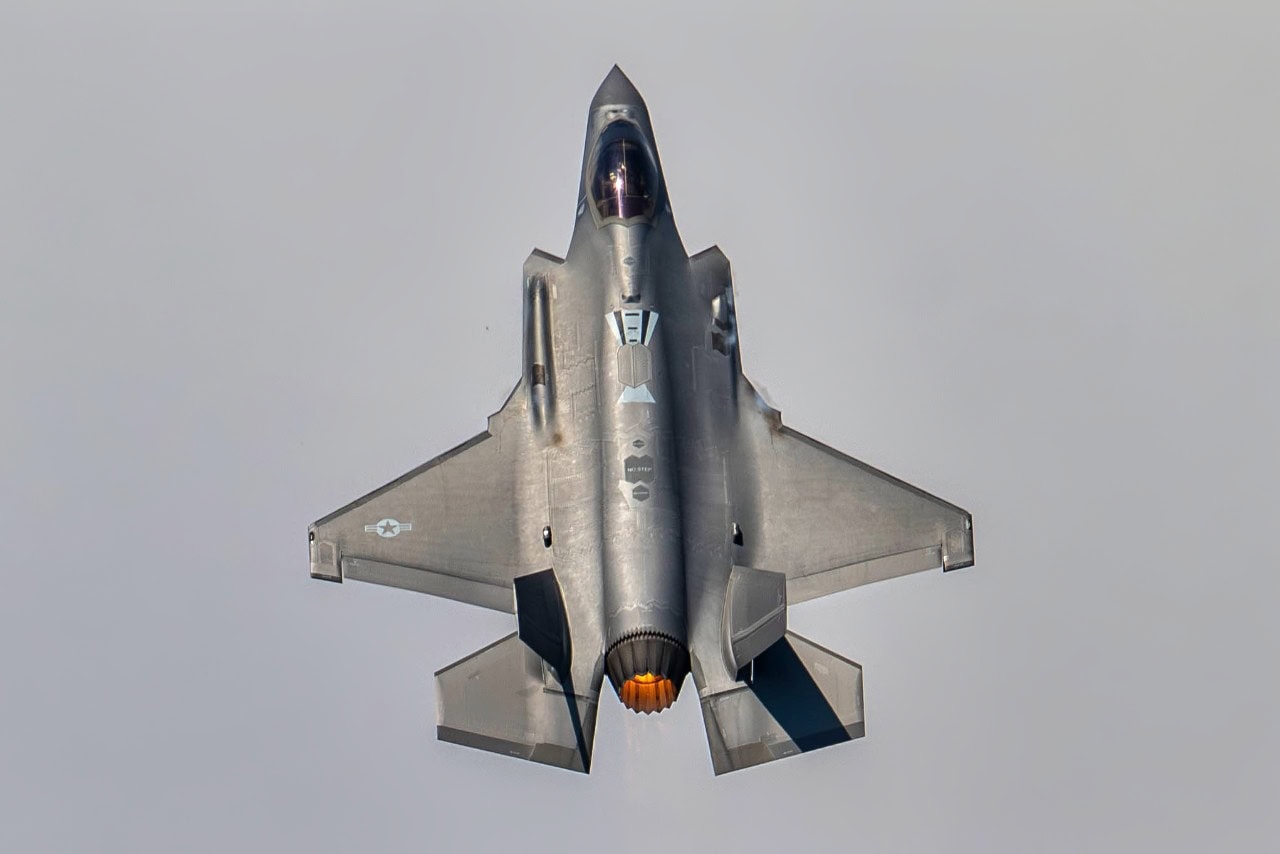
The United States depends heavily on Taiwan for its most advanced microchips, crucial not only for commercial products but also for military technologies. From missile guidance systems to AI-augmented defense tools, the loss of access to Taiwanese chips would leave the U.S. defense acquisition pipeline in dire straits. A well-documented report from a U.S. strategic think tank highlighted that most cutting-edge semiconductors powering U.S. weapons systems originate from Taiwan’s foundries, predominantly Taiwan Semiconductor Manufacturing Company (TSMC). This dependency presents a strategic Achilles’ heel in the event of hostilities or sustained economic coercion by the People’s Republic of China (PRC). The disruption isn’t limited to advanced weaponry. Emerging defense technologies reliant on artificial intelligence and high-frequency data processing—fields where Taiwan’s chip production is unmatched—would suffer delays or reversals, compromising the technological edge the U.S. currently holds.
Trade warfare escalates: Beijing’s export restrictions and tit-for-tat sanctions
Since late 2025, Beijing has intensified controls on rare earth elements vital for tech manufacturing, including erbium and terbium. These elements are foundational for producing strong permanent magnets used in everything from electric vehicles to precision-guided munitions. This tightening of export licenses is widely seen as a warning shot in the complex economic chess game between Washington and Beijing. The risk of a full blockade of Taiwan could be seen as an economic “nuclear option” that would escalate bilateral tensions to unprecedented levels. Amid these pressures, policymakers worldwide face mounting challenges balancing trade diplomacy and military preparedness. As the PRC carefully gauges its moves, each escalation triggers shocks to global markets and exacerbates supply chain insecurities.
How disrupted exports hurt global manufacturing
Many global industries rely on seamless access to rare earth elements and semiconductors to keep factories running. If Chinese export controls expand or a naval blockade cuts off Taiwan’s production, manufacturers worldwide—from carmakers in Germany to consumer electronics giants in the United States—would struggle to maintain output. Livelihoods, stock prices, and government revenues could all feel the strain in a prolonged trade conflict or blockade scenario. Disrupted access to high-tech components would cascade into higher costs for end-users, slower innovation cycles, and diminished economic growth rates.
Logistical nightmare and the military dimension of a Taiwan blockade
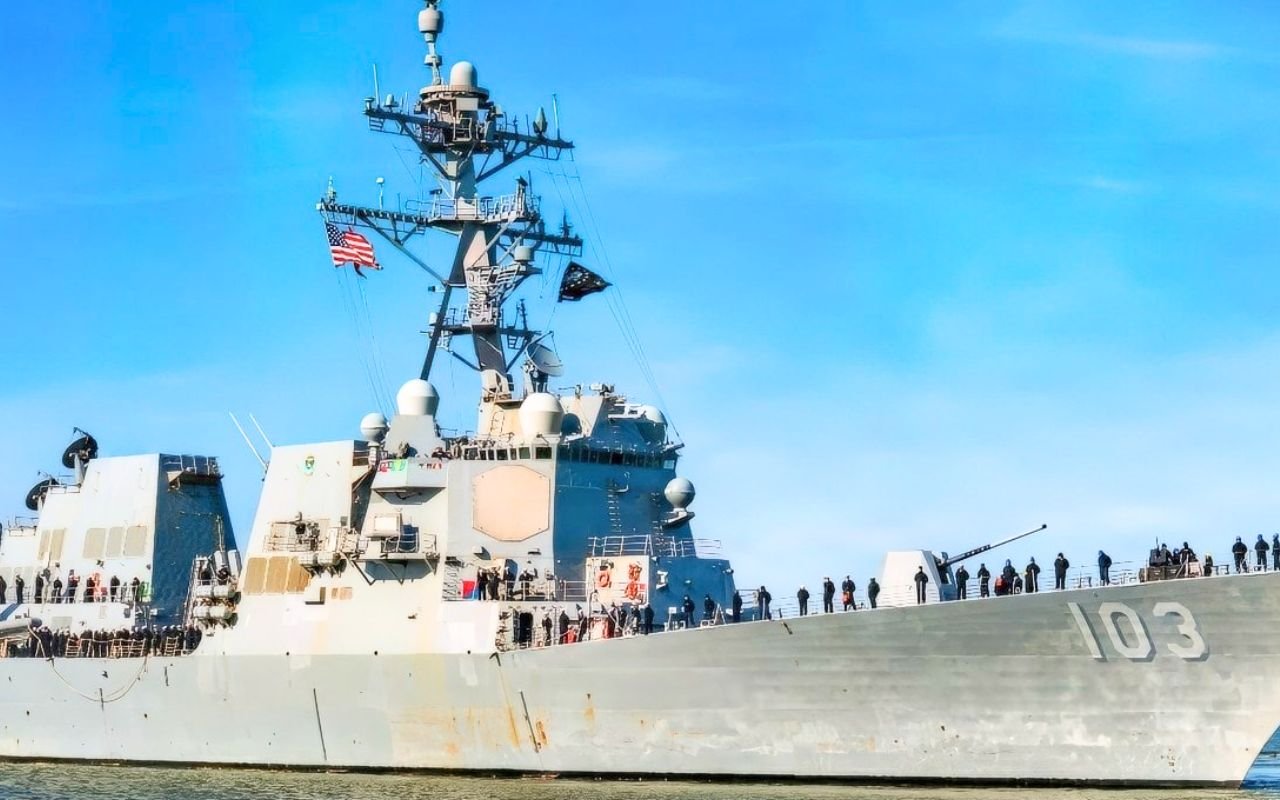
A blockade is not just an economic challenge; it represents a significant military gamble. The People’s Republic of China would attempt to cut off maritime traffic to and from Taiwan, aiming to starve its access to global markets. The Taiwan Strait is a narrow but heavily traversed waterway where 20% of world shipping passes. Any extended closure would cause massive delays, rerouting traffic through longer and costlier paths. Additionally, the United States and its allies rely on constant access to Taiwanese military-grade chips and components for their own weapon systems. This military-commercial interdependency intensifies the strategic stakes of any conflict around Taiwan.
Potential timeline and phases of disruption
| Event | Date | Expected Impact |
|---|---|---|
| Beijing extends export controls on rare earths | December 2025 | Restricts global access to critical materials for tech manufacturing |
| Partial naval blockade initiated | Early 2026 | Global shipping delays; immediate spike in supply chain disruptions |
| Full Taiwan trade embargo enforced | Mid-2026 | Massive economic contraction, including €10 trillion estimated damage |
| US military warns of critical defense capability gaps | Late 2026 | Severe delays in weapons system production; strategic vulnerabilities |
How global powers might respond and the stakes for international diplomacy
The ripple effects of a Taiwan blockade would force a fundamental recalibration of alliances, economic partnerships, and military commitments worldwide. The United States, as the primary security guarantor of Taiwan, faces tough decisions balancing deterrence, defense readiness, and economic fallout management. Meanwhile, the European Union and other major economies might impose severe sanctions or seek new supply chain partnerships to mitigate risks. South Korea, Japan, and ASEAN nations would also brace for disruptions to their manufacturing sectors and energy imports. This crisis scenario highlights the urgent need for diversified semiconductor production and reinforced maritime security alliances across the Indo-Pacific.
The imperative for supply chain resilience and diversified manufacturing
The current over-reliance on a single region for critical chip production signals an urgent need for new manufacturing hubs and strategic stockpiling initiatives. Governments and private sectors are increasingly investing in alternative fabs in the US, Europe, and Southeast Asia to reduce vulnerability.
The goal is to build resilience against both deliberate blockades and uncontrollable disruptions, such as natural disasters and pandemics. While this transition will take years, the Taiwan Strait crisis underlines how immediate and critical these efforts have become.
- Boost alternative semiconductor manufacturing outside Taiwan
- Create strategic reserves of rare earth elements and microchips
- Enhance maritime security cooperation to protect key shipping lanes
- Strengthen economic sanctions frameworks to deter aggressive trade blockades
- Increase investment in AI and defense technology to mitigate supply risks
Why is Taiwan so critical to global technology?
Taiwan, particularly through companies like TSMC, produces nearly 90% of the world’s most advanced microchips, which are essential components in electronics, automobiles, medical devices, and military equipment.
How would a blockade of Taiwan impact the U.S. military?
The U.S. defense sector relies heavily on Taiwanese semiconductors for missile guidance, AI-based defense systems, and other advanced technologies, making any disruption a major strategic vulnerability.
What distinguishes the Taiwan Strait crisis from the Strait of Hormuz closures?
While the Strait of Hormuz crisis centers on energy supplies, a Taiwan blockade would affect the production and flow of critical technology components, causing far broader systemic impacts on both civilian life and military capabilities.
Can global supply chains adapt quickly to a Taiwan blockade?
Supply chains are heavily reliant on Taiwan currently, and while there are ongoing efforts to diversify production, significant adaptation would take years, making immediate disruption likely deep and widespread.
What steps are governments taking to mitigate these risks?
Investments in alternate manufacturing facilities, strategic reserves of rare earth elements and semiconductors, strengthened alliances, and enhanced maritime security cooperation are key strategies being pursued globally.
