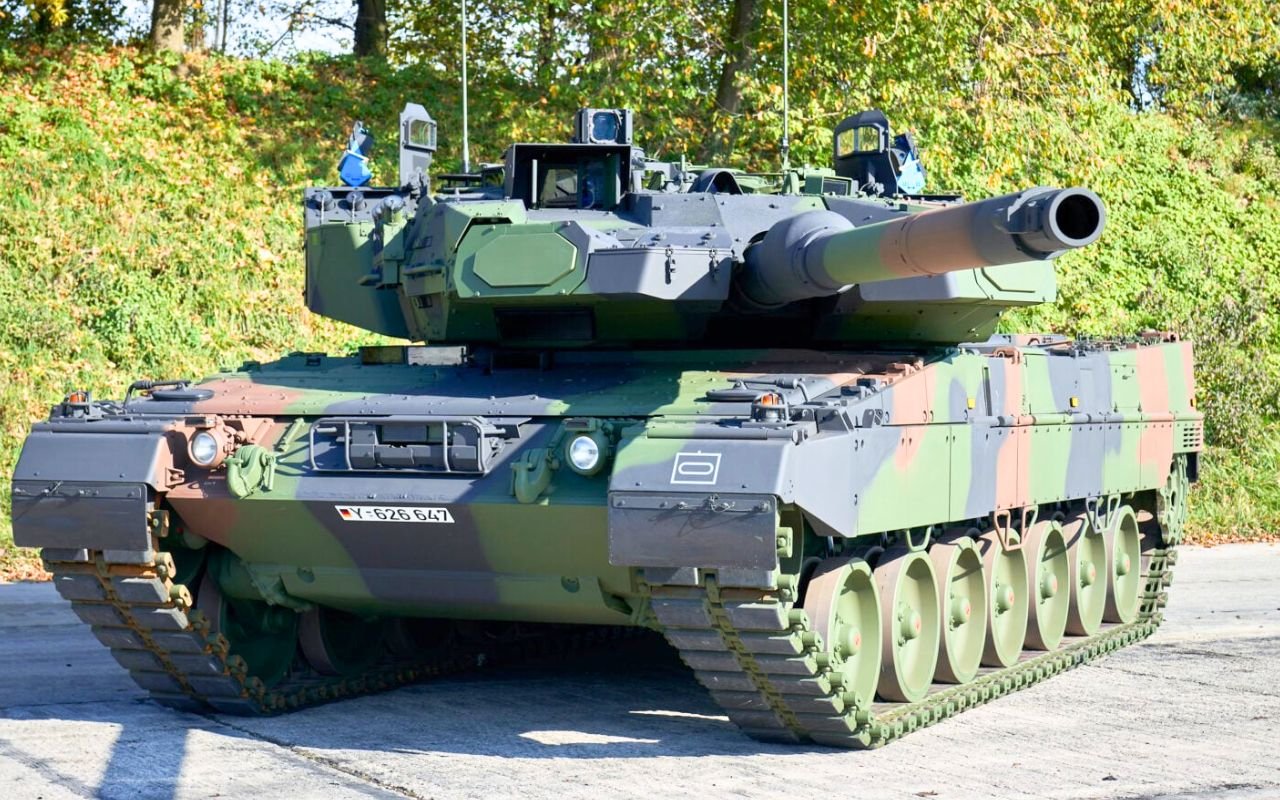
Germany has overtaken China as the second-largest arms exporter worldwide, signaling a profound shift in global defense trade dynamics and raising fresh questions about the future of military power distribution.
The arms industry has always been a bellwether of geopolitical influence and industrial capability, with major powers jockeying to supply the latest weapons and technologies to allies and strategic partners. For decades, China’s rapidly expanding defense export sector reflected its growing ambitions on the global stage. However, recent data reveal that Germany has surged ahead in global rankings, challenging assumptions and stirring up discussions about the implications of this change. From advanced weapon systems to strategic partnerships, the nuances behind Germany’s rise reveal a complex interplay of innovation, policy, and international demand.
Shifts in the global arms market: how Germany edged past China
The global defense industry landscape has been evolving rapidly, and Germany’s ascent to second place among arms exporters is not a mere coincidence but the result of strategic decisions and market factors. Traditionally, the United States has dominated top spot, but the competition for the runner-up position has been fierce, with China being a formidable contender over the past decade, thanks to its aggressive export policies and cost-competitive technologies. Germany’s arms export rise is linked to several factors. First, the country’s emphasis on high-quality, technologically advanced weapons has provided a competitive edge. German manufacturers are renowned for their precision engineering, reliability, and adherence to stringent quality standards, making their offerings highly sought-after by nations upgrading or diversifying their military arsenals. Secondly, diplomatic efforts and a renewed focus on exporting to emerging markets have opened doors for Germany. While China relies heavily on arms sales to developing countries with limited purchasing power, Germany targets mid-tier economies seeking cutting-edge defense solutions balanced with political reliability. One clear example is Germany’s prowess in exporting tanks, infantry fighting vehicles, and naval vessels equipped with state-of-the-art electronics and weapon systems. The Leopard 2 tank
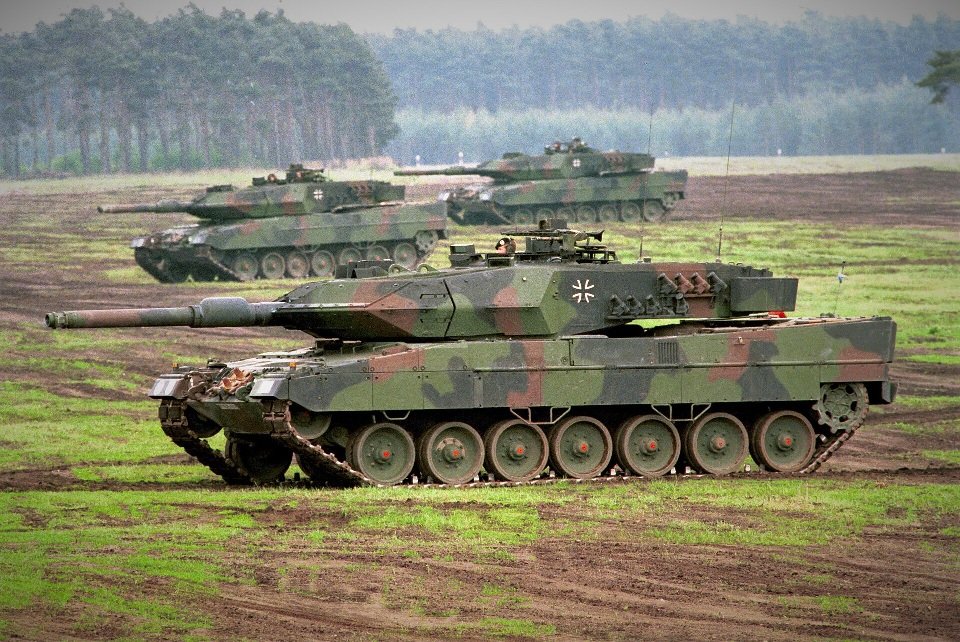
, widely regarded as one of the best main battle tanks globally, has found new customers, and contracts for advanced submarines and frigates have added significantly to export volumes. Meanwhile, China’s arms sales have faced hurdles such as allegations of quality inconsistencies and geopolitical pushback from Western-aligned countries unfriendly to Beijing’s strategic ambitions. These factors have slowed China’s export growth, creating an opening for Germany’s steady, trusted reputation to take the lead in global shipments. This shift raises important questions about future market dynamics: will Germany continue to capitalize on its reputation for quality and political reliability, or is China poised for a comeback through innovation and expanded partnerships? The arms trade’s evolving contours are reflective of broader geopolitical currents that extend beyond mere commerce.
Technological innovation and product diversity fueling Germany’s arms export boom
The backbone of Germany’s export success lies in its unwavering investment in technological innovation and the breadth of products offered. Unlike many competitors that rely on a limited range of systems, German defense manufacturers cover a wide spectrum, from armored vehicles and aircraft technology to sophisticated naval systems and cyber warfare equipment. German companies like Rheinmetall and ThyssenKrupp have pushed the boundaries of military technology, developing next-generation armaments that blend precision engineering with digital enhancements to fulfill the demands of modern warfare. For instance, the integration of advanced electronic warfare suites, active protection systems for armored vehicles, and autonomous drone technology has made their offerings more attractive to defense ministries globally. The diversity of products also ensures resilience in volatile markets. When demand for one category slows, others pick up the slack. The export of cutting-edge naval vessels, including the newest class of submarines capable of extended stealth operations, has played a crucial role. Similarly, Germany’s advancements in air defense systems have positioned it favorably against competitors relying on older technologies. Furthermore, the integration of sustainability concepts distinguishes Germany’s approach. More clients want defense solutions that minimize environmental impact without compromising performance, and German manufacturers have responded by offering energy-efficient propulsion systems and eco-friendly materials in their platforms.Consider the example of Germany’s recent contracts to supply advanced electronic warfare pods capable of jamming and deceiving enemy radars combined with powerful missile systems that extend the reach and precision of defense networks. These innovative offerings demonstrate Germany’s dual focus on quality and cutting-edge performance, both highly prized in today’s global arms market. Technology aside, the German defense sector benefits from close collaboration with academic institutions and research centers. This union fosters rapid innovation cycles and positions Germany as a leader in military technology development. Such synergies are harder to replicate for competitors with less integrated systems, providing Germany a lasting edge.
Political frameworks and export controls shaping the new arms export hierarchy
Germany’s position as a top arms exporter is also tightly linked to its political framework, which balances strict export controls with pragmatic diplomacy. German arms exports are regulated under tight national laws and European Union guidelines designed to prevent weapon sales that could destabilize global peace. Yet, within these constraints, Germany has adeptly navigated international politics to secure lucrative contracts. The contrast with China is stark. China’s arms exports often face criticism and restrictions from Western nations on grounds such as concerns over human rights or regional power imbalances. These factors have sometimes limited China’s ability to broaden its customer base among Western-aligned countries or those under U.S. sanctions. Germany’s commitment to ensuring that exports comply with ethical standards appeals to many nations wary of reputational damage or diplomatic fallout. This reputation as a responsible arms supplier has opened doors to partnerships in regions like the Middle East, Southeast Asia, and Africa, where demand for advanced military hardware continues growing. Germany’s government also actively promotes defense exports as part of its broader foreign policy toolkit. By combining economic interests with alliance-building, Germany can leverage arms sales to deepen diplomatic ties, secure military collaborations, and influence geopolitical alignments without succumbing to reckless militarization risks. However, this approach also involves complex trade-offs. Domestic political debates over export licenses sometimes delay or block deals, reflecting public scrutiny over the ethical implications of selling arms. Yet, this transparency mechanism arguably enhances Germany’s long-term legitimacy in the global arms market, contrasting with countries where opaque export practices provoke mistrust. As geopolitical tensions escalate in various regions, Germany’s measured export policies may serve as a model for balancing economic, strategic, and ethical objectives in the defense trade. This balancing act remains delicate but influential in shaping the new export rankings.
Emerging global alliances and their impact on military equipment demand
The resurgence of Germany as a top arms exporter does not happen in a vacuum but reflects shifting global alliances and defense needs. As countries recalibrate their security partnerships and regional tensions rise, demand for sophisticated military equipment intensifies, providing fertile ground for suppliers like Germany. New defense agreements between Germany and NATO partners, as well as strategic outreach to non-Western states, have broadened the scope of clients interested in German-made military technology. The increasing militarization of regions like Eastern Europe and parts of Asia has led countries to seek reliable partners with advanced systems capable of deterrence and defense. For example, Germany’s arms sales to Eastern European nations have played a critical role in their modernization efforts amid lingering concerns over security threats. Likewise, partnerships in Asia, particularly with countries looking to counterbalance regional powerhouses, have expanded Germany’s footprint beyond its traditional Western clientele. Moreover, joint development programs between Germany and other European countries on future defense projects indicate a commitment to long-term cooperation. Initiatives to build next-generation drones and missile systems not only consolidate technological capacities but also create unified markets that can more effectively compete with Chinese and American exports. As alliances evolve, the arms trade becomes as much about political signaling as about economics. Germany’s ability to align with diverse partners while maintaining a consistent export policy enhances its role as a stable and reliable supplier, further fueling its export growth amid global uncertainty.
Challenges and opportunities facing Germany in maintaining arms export growth
Despite Germany’s impressive rise in the global arms export rankings, significant challenges and opportunities lie ahead. A constantly evolving geopolitical environment means that adaptability is crucial. One major challenge is competition not only from China but increasingly from emerging defense producers in countries like South Korea, Turkey, and India, which are investing heavily in indigenous military production and exporting more sophisticated platforms. Germany will need to innovate continuously to maintain its lead. Trade restrictions and international sanctions could also disrupt supply chains or complicate sales negotiations, as clients become subject to broader diplomatic pressures or economic uncertainties. Furthermore, rising calls for transparency and ethical standards in arms trading may increase compliance costs and tighten export license regimes. On the opportunity side, Germany’s commitment to research and development is a major asset. Emerging fields such as artificial intelligence in warfare, autonomous systems, and cyber defense are areas where German companies are beginning to make breakthroughs that could define the next generation of weapons and equipment. Furthermore, Germany’s reputation for quality and reliability makes it well-positioned to capitalize on increased defense spending by allied nations responding to new security threats. Contracts involving upgrades, maintenance, and logistical support offer stable revenue streams alongside new equipment sales. Additionally, expanding Germany’s collaboration within the EU and NATO frameworks could streamline standards and create larger, more coherent markets capable of rivaling the arms industries of China and the United States. Ultimately, Germany’s sustained growth in global arms exports will depend on navigating the fine balance between innovation, ethical responsibility, and strategic diplomacy — a complex but potentially rewarding path in the world of international defense commerce.
Relevant data and timeline of Germany’s rise above China in arms exports
Tracking key milestones and volumes provides a clear picture of the changing dynamics in global arms exports. The following table summarizes notable data points illustrating Germany’s export trajectory compared to China over recent years.
| Year | Germany Arms Exports (€ billion) | China Arms Exports (€ billion) | Notable Events |
|---|---|---|---|
| 2018 | 6.5 | 8.2 | China leads with aggressive pushes into Asia-Pacific markets |
| 2019 | 7.2 | 8.0 | Germany increases technology collaborations in Europe |
| 2020 | 7.8 | 7.6 | Germany surpasses China amid COVID-19 supply chain disruptions |
| 2021 | 8.5 | 7.4 | Renewed geopolitical tensions increase demand for premium arms |
| 2022 | 9.3 | 7.1 | Germany secures multi-billion euro contracts in Middle East and Europe |
- Rise of premium German military technology as a global export driver
- Challenges to Chinese quality perception affecting market share
- Geopolitical alliances shifting export targets
- Strict but pragmatic German export controls build trust
- Investment in innovation and diverse product ranges sustaining growth
What factors contributed most to Germany surpassing China in arms exports?
Germany’s focus on advanced technology, diversified products, strict yet pragmatic export controls, and strategic partnerships helped it overtake China.
How does Germany balance ethical concerns with arms exports?
Germany enforces rigorous export regulations and complies with international norms to prevent weapon sales that could destabilize regions, ensuring a responsible trade approach.
Are there risks Germany faces in maintaining its position?
Emerging competitors, geopolitical tensions, and evolving regulations pose challenges, but Germany’s investment in innovation and alliances offer opportunities to sustain growth.
What types of military equipment dominate Germany’s exports?
Tanks like the Leopard 2, advanced naval vessels, electronic warfare systems, and air defense technologies are key products driving Germany’s exports.
