The Tomahawk Block IV missile, a pinnacle of long-range strike capability, continues to solidify the United States’ dominance on the global military stage with unmatched precision and adaptability.
As modern warfare evolves, so do the weapons that shape its outcomes. The BGM-109 Tomahawk, notably the advanced Block IV and emerging Block V variants, epitomize this evolution by offering the U.S. Navy and allied forces unprecedented precision, flexibility, and operational reach. Transforming from simple bunker busters into versatile strike assets capable of mid-flight retargeting and maritime loitering, the Tomahawk plays a crucial “Day One” role in contested theaters. This article delves deep into the technical innovations, strategic impact, and ongoing enhancements behind the Tomahawk that are propelling the U.S. military to superpower status in 2026.
The transformative leap of the tomahawk block iv in naval strike missions
The Tomahawk missile has long been a fixture in the U.S. military’s arsenal, but the Block IV “Tactical Tomahawk” took this weapon to a new level when it entered service in 2004. This variant introduced crucial capabilities such as two-way satellite data links allowing real-time mission reprogramming, terrain navigation, and digital scene-matching cameras for enhanced targeting. With these improvements, commanders can now change targets mid-flight, greatly increasing the missile’s tactical flexibility and effectiveness. Weighing approximately 1,590 kg (3,500 pounds) with a booster and spanning over 5.5 meters (18 feet) long with an 8-foot 9-inch wingspan, the Tomahawk Block IV cruises at around 885 km/h (550 mph) and can strike targets up to 1,667 kilometers (900 nautical miles) away. Its low-flying, subsonic cruise profile allows it to evade detection by radar, making it a stealthy and reliable choice for deep strikes against hardened facilities like bunkers, airfields, and command centers. Historically, Tomahawks have shaped key military campaigns. During Operation Iraqi Freedom in 2003, roughly 800 Tomahawks were launched early on to decimate enemy defenses and airfields, softening resistance for follow-on forces. Similarly, about 200 missiles contributed to Desert Storm, and more than 200 supported NATO airstrikes in Libya in 2011. This pedigree underlines the Tomahawk’s reputation as a “first strike” weapon, crucial for opening contested airspaces and reducing risks for manned aircraft. One must appreciate how the Block IV introduced not only in-flight retargeting but also data gathering capabilities. Using its two-way data link, the missile can send back images of the target area before engaging, allowing operators to confirm or adjust strikes based on real-time intelligence. This intelligence, surveillance, and reconnaissance (ISR) ability represents a paradigm shift: the missile is no longer just a “fire and forget” weapon but an adaptable and cognitive participant in the battlefield.
Integrating synthetic guidance mode and jmeows for next-level penetration
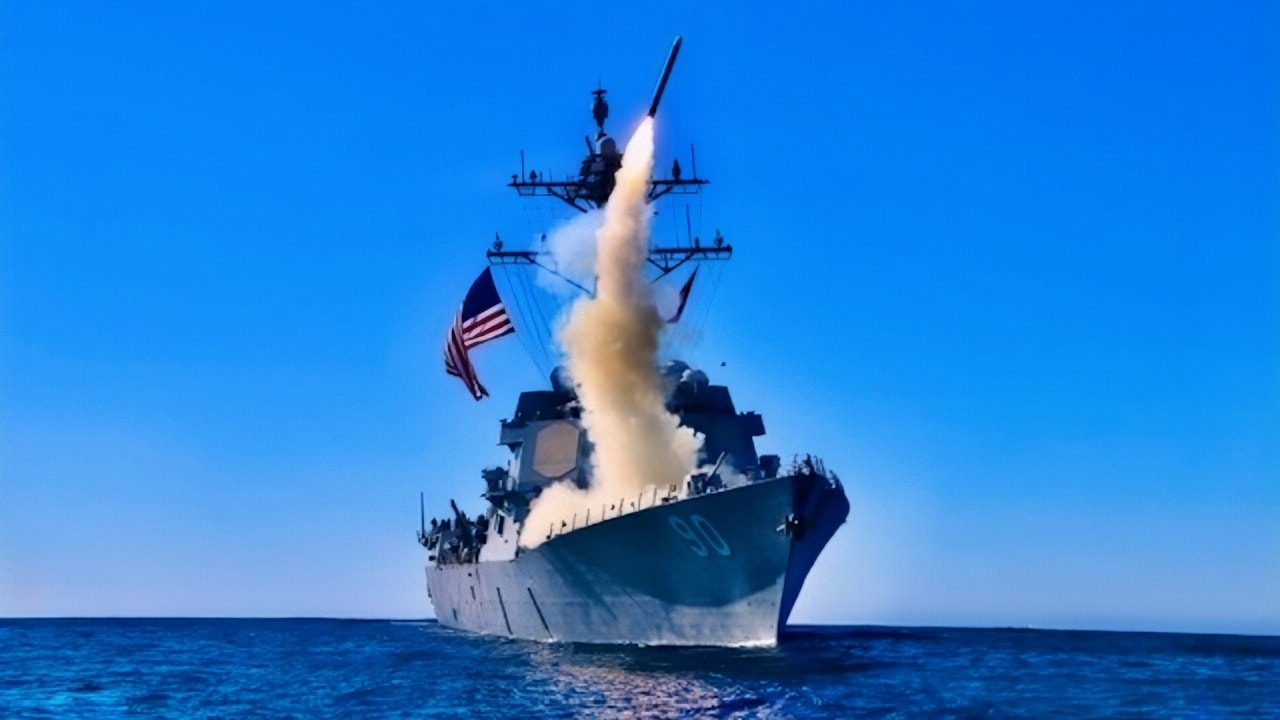
The evolution of the Tomahawk missile did not stop with the Block IV’s initial upgrades. Recent advancements focus on boosting the missile’s resilience and targeting accuracy through technologies such as Synthetic Guidance Mode and the Joint Multiple Effects Warhead System (JMEWS). Together, these enhancements ensure the Tomahawk remains effective even in highly contested, GPS-denied environments. Synthetic Guidance Mode leverages high-throughput radio signals to update the missile’s target coordinates mid-flight. This advanced guidance system allows retargeting on moving maritime or land targets, an essential feature in dynamic combat environments. For instance, if an enemy vessel or mobile missile launcher changes course, the Tomahawk can adjust its trajectory, ensuring mission success despite shifting battlefield conditions. The Tomahawk’s upgraded seeker technologies, hardened against spoofing and electronic jamming, complement these guidance improvements. This electronic resilience is critical given modern adversaries’ attempts to degrade GPS signals or manipulate targeting data. Through these safeguards, the missile can maintain its lock and execute precision strikes despite enemy countermeasures. The Joint Multiple Effects Warhead System (JMEWS) is another game-changer. Designed to enhance bunker-busting capabilities, this warhead can better penetrate hardened targets such as reinforced concrete bunkers and underground command centers. Sponsored initially by U.S. Central Command, JMEWS allows the Tomahawk to disable the most fortified enemy infrastructures, increasing its strategic value in shaping the battlefield. These upgrades empower the Tomahawk weapon system to remain a “Day One” penetrator weapon—the missile fleet commanders count on to immediately neutralize sophisticated enemy defenses and suppress anti-access/area-denial (A2/AD) threats.
The strategic force multiplier role of converted ssgn submarines
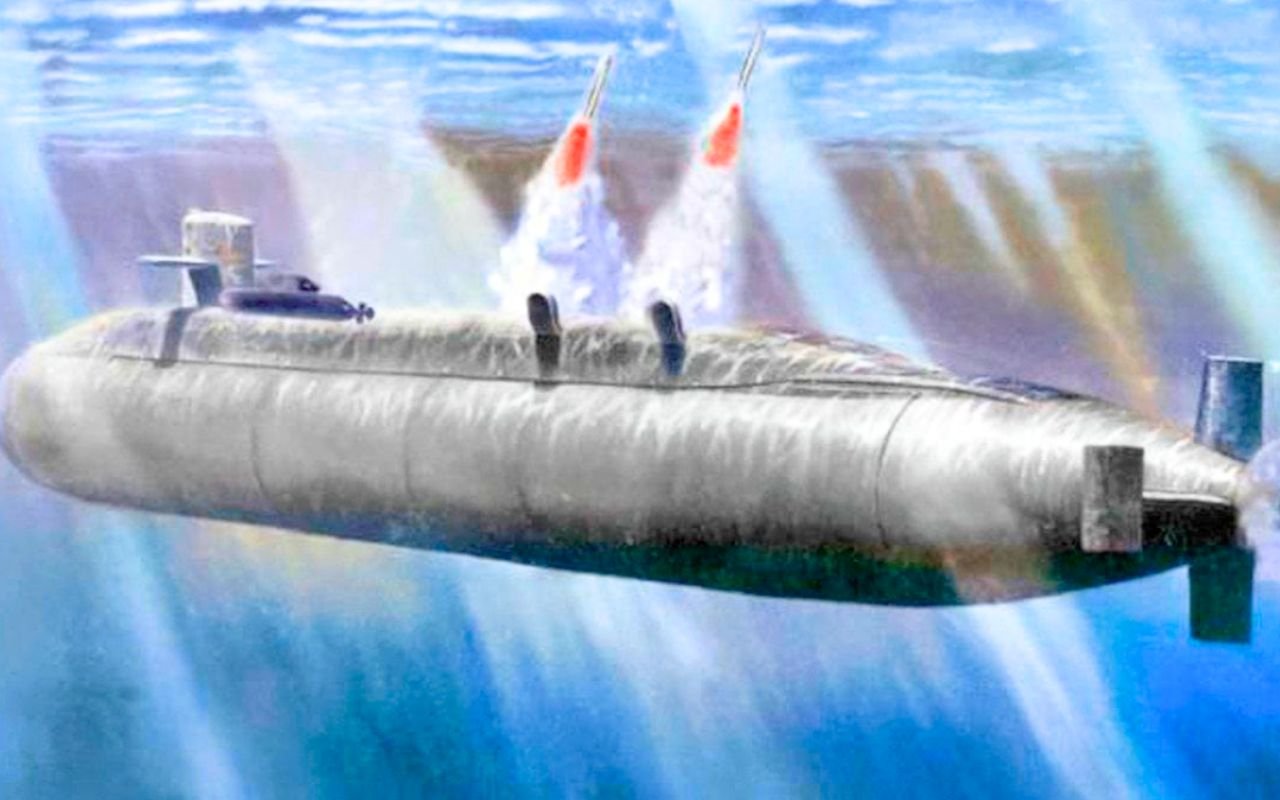
The strategic impact of the Tomahawk is magnified by its deployment platforms, particularly the Ohio-class Guided Missile Submarines (SSGNs). These vessels underwent a significant transformation from their original ballistic missile submarine configuration to multipurpose strike platforms capable of carrying up to 154 Tomahawk missiles. This conversion, completed progressively since the early 2000s, has given the U.S. Navy unprecedented firepower and versatility undersea. The ability of a single SSGN such as USS Ohio to carry this massive payload—more than six times the capacity of other ships and submarines—is a strategic game-changer. These submarines offer stealthy, clandestine launch options, making them formidable strike assets capable of delivering rapid, overwhelming missile barrages on key enemy targets without prior warning. In addition to missile capability, these submarines support deployment of unmanned underwater vehicles (UUVs), unmanned aerial vehicles (UAVs), and special forces with equipment for covert insertion. With facilities to carry over 66 Navy SEALs, these platforms blend missile strike power with special operations flexibility, allowing them to shape scenarios across multiple warfighting domains. The combination of advanced missile technology like the Tomahawk Block IV and the strike volume carried by SSGNs forms a powerful force multiplier. This integration allows the U.S. Navy to hold distant, contested areas at risk from beneath the waves, projecting military might in a manner adversaries find difficult to counter.
How tomahawk’s loitering and intelligence capabilities redefine precision strike
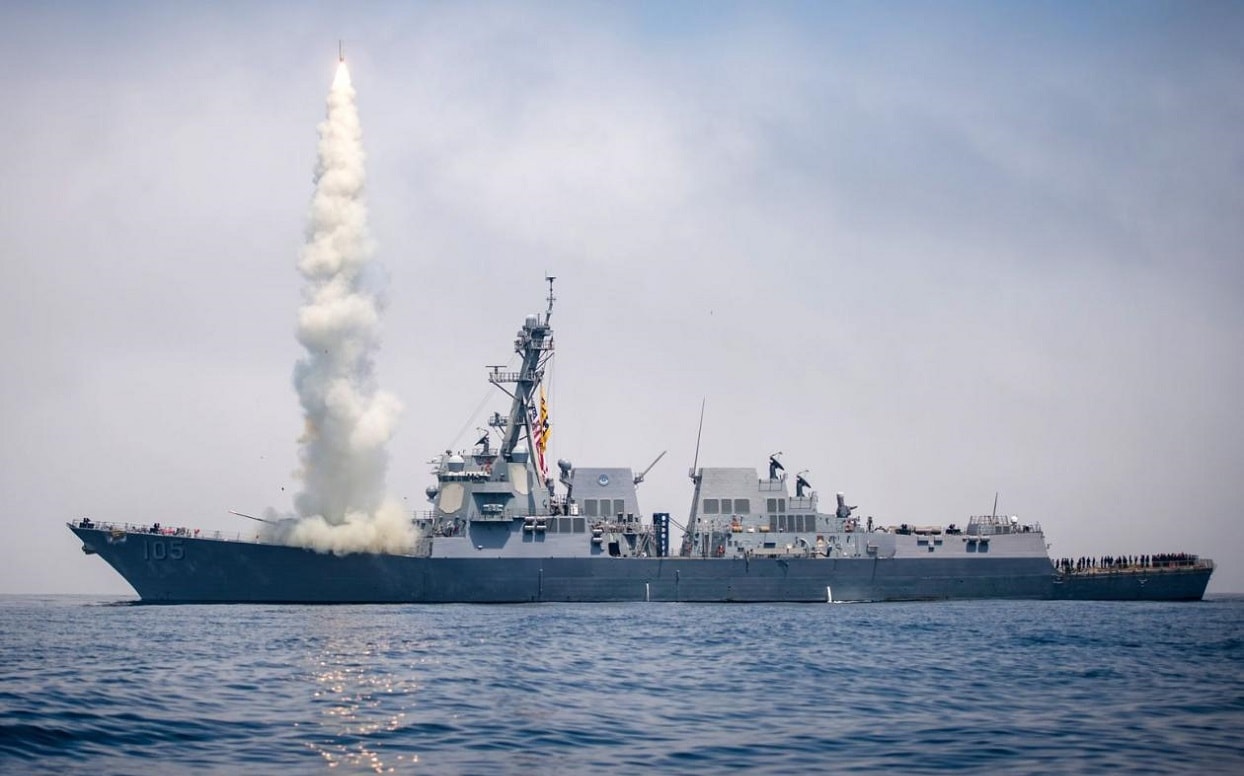
Unlike traditional cruise missiles with a strict “fire and forget” doctrine, the Tomahawk Block IV shines with its ability to loiter near targets, relaying valuable Intelligence, Surveillance, and Reconnaissance (ISR) data back to operators. This capability is pivotal in fluid battlespaces where target information can be uncertain, or multiple potential targets exist. By hovering near the target area, the Tomahawk’s digital scene-matching camera system can capture images and send them via its two-way data link. Commanders on the ground or aboard naval vessels can review these images to verify enemy presence or changes on the battlefield before committing to the strike. If new targets emerge or priorities shift, the missile can be retasked instantly – a game-changing flexibility in fast-moving operations. This ISR feedback loop not only enhances mission accuracy but also allows the Tomahawk to conduct battle damage assessment (BDA) post-strike, transmitting images that confirm whether the intended target was neutralized effectively. Such real-time feedback informs commanders’ next moves, improving operational tempo and decision-making quality. This intelligence-sharing role takes the missile beyond a traditional weapon system, transforming it into an active participant within the networked battlespace. The Tomahawk’s adjustable strike timing and retargeting traits ensure its enduring value amid rising threats of electronic warfare and contested air defenses.
Upgrades and sustained commitment to tomahawk dominance
Maintaining its cutting-edge status requires continuous upgrades. The U.S. Navy’s modernization efforts in the 2020s, including the introduction of the Block V variant, exemplify this commitment. Block V incorporates enhanced navigation systems, improved communications for greater reliability, and extended service life to keep the missile operational into the late 2030s.The Block V upgrade adds robustness to navigation, vital for operating in contested electronic environments plagued by sophisticated jamming and spoofing tactics. Improved communication links allow the missile to receive updated targeting data over longer ranges, enhancing its utility against emerging threats.
The missile’s long-lived design also means fewer costs and logistics burdens to replace or overhaul existing inventories, helping maintain a vast and ready fleet of long-range strike assets. This approach protects the strategic investments made over decades and extends the Tomahawk’s role as the U.S. military’s preferred tool for precise, long-range engagement.
- Enhanced two-way data link for in-flight retargeting and ISR
- Advanced Synthetic Guidance Mode for moving target engagement
- JMEWS warhead for superior bunker penetration
- Integration with Ohio-class SSGN submarines for massive payload capacity
- Block V variant’s improved navigation and communication systems
| Tomahawk Variant | Key Features | Range (km) | Speed (km/h) | Operational Since |
|---|---|---|---|---|
| Block III | Initial terrain-following, GPS navigation | 1,300 | 880 | 1990s |
| Block IV | Two-way satellite data link, loitering, retargeting | 1,667 | 885 | 2004 |
| Block V | Enhanced navigation, electronic resilience, longer range | 1,800+ | ~900 | 2020s |
Adaptation to the contested modern battlefield
The Tomahawk missile’s enduring relevance in 2026 and beyond comes from its continual modernization and ability to evolve with emerging threats. As adversaries invest heavily in anti-access and area-denial systems, complex electronic warfare, and missile defenses, the need for reliable, flexible, and precise long-range strike capabilities has never been greater. Thanks to features like mid-flight retargeting and loitering, commanders can deploy Tomahawks against dynamic enemy strategies where fixed strike plans would fall short. The missile’s hardened guidance and seeker technology counteract jamming and spoofing attempts, safeguarding mission integrity. The versatile platforms launching Tomahawks, including surface ships and stealthy SSGNs, broaden operational options, allowing the U.S. military to deploy overwhelming strike power discreetly and precisely. This adaptability ensures that the Tomahawk remains integral in campaigns where rapid, decisive action is required. Through its multi-domain operational capability spanning maritime, land, and intelligence roles, the Tomahawk continues to secure the U.S. military’s edge as a global superpower, capable of projecting force with surgical precision over vast distances in fluid combat theaters.
What makes the Tomahawk Block IV different from earlier variants?
The Block IV introduced two-way satellite communication, enabling in-flight retargeting, loitering capabilities, and digital scene-matching cameras for improved accuracy and flexibility.
How does the Tomahawk missile adapt to moving targets?
Through Synthetic Guidance Mode and a hardened seeker, the missile can receive updated target coordinates mid-flight and adjust its trajectory to hit moving land or maritime targets accurately.
Why are Ohio-class SSGNs important for Tomahawk deployment?
These converted submarines can carry up to 154 Tomahawks, vastly increasing strike capacity and offering stealthy, versatile launch platforms that combine missile power with special operations support.
What is the new Joint Multiple Effects Warhead System (JMEWS)?
JMEWS is an enhanced warhead design that improves bunker penetration, enabling Tomahawks to destroy fortified enemy infrastructure more effectively.
How do Tomahawk missiles contribute to intelligence gathering?
Tomahawks equipped with camera systems can relay images of targets before and after strikes, allowing commanders to assess target conditions and retarget as necessary in real time.
