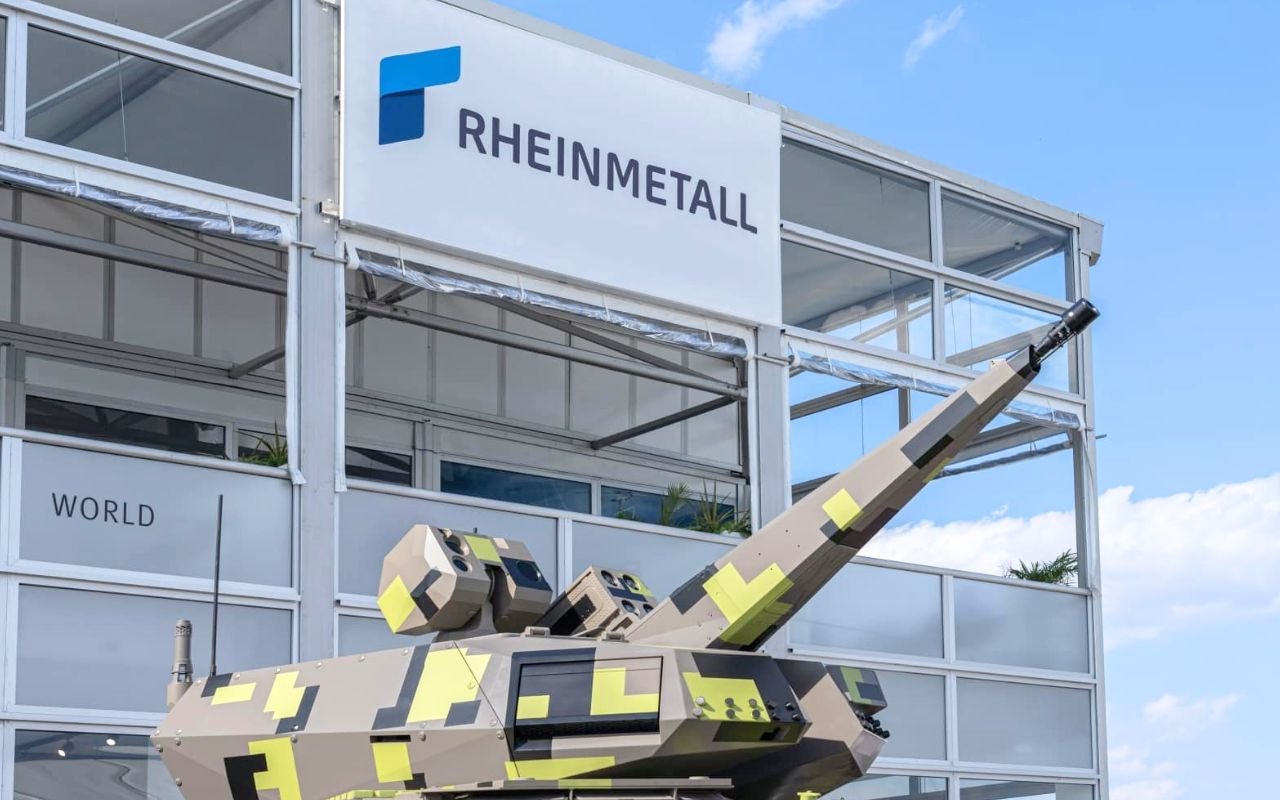
Rheinmetall’s explosive growth illustrates why defense manufacturing has become the strategic backbone of modern European security, reshaping industries and global alliances.
The defense sector has entered a new era where headline-grabbing political declarations no longer tell the full story. Behind the scenes, the real drama unfolds in the factories, assembly lines, and supply chains of companies like Germany’s Rheinmetall. In 2025, Rheinmetall announced a remarkable leap in sales and profits, reflecting broader trends that place defense manufacturing right at the heart of geopolitical and industrial strategy. Europe’s drive for security sovereignty and preparedness is increasingly defined by who can deliver, sustain, and expand the industrial capacity for weapons, munitions, and digital defense systems.
Rheinmetall’s financial leap: a window into the new defense industrial landscape
Rheinmetall’s 2025 financial figures tell a story of rapid transformation and heightened demand for defense manufacturing in Europe. The company reported an impressive €9.9 billion in revenue, an operating profit of €1.84 billion, and a healthy operating margin of 18.5%. More strikingly, their order backlog surged to a record €63.8 billion, underscoring the government’s unyielding commitment to long-term defense contracts despite challenging market conditions. The projections for 2026 are equally ambitious, with expected revenues between €14.0 and €14.5 billion and an operating margin near 19%. Yet the market’s reaction was mixed, as investors tempered enthusiasm amid concerns that these projections fell slightly short of sky-high expectations. This reveals a telling shift: defense is no longer about sensational headlines alone but about the hard realities of production cycles, contract timelines, and supply chain execution. Understanding this shift helps decode today’s defense industry dynamics. Unlike in the past, where announcements drove stock prices and public perception, increasingly success depends on tangible delivery—who can convert huge order books into actual sales on the ground, and crucially, on time. This challenge magnifies when export licenses, political approvals, and complex multinational collaborations influence schedules. Rheinmetall’s pivot away from civilian automotive manufacturing toward full-fledged defense specialization exemplifies how industrial priorities match geopolitical urgencies. Its restructuring focuses on delivering vehicles, artillery, digital systems, and maritime security — all pivotal for NATO and EU defense goals heading into the 2030 horizon.
Why Europe’s surge in defense spending is more than just tanks rolling
The broader European context deepens the significance of Rheinmetall’s performance. EU defense expenditures grew from €343 billion in 2024 to an estimated €381 billion by 2025, fueled by a dual push for readiness and sovereignty. The European Commission’s “Rearmer Europe” initiative focuses on building an enduring industrial base by 2030, with up to €800 billion in investments planned. Programs like SAFE publish loans worth up to €150 billion for urgent acquisitions, spanning critical areas such as missiles, air defenses, drones, and ground combat equipment. This investment wave is far from symbolic. It signals an unmistakable recognizing that modern defense is multidimensional — increasingly reliant on advanced sensors, missile interceptors, drone swarms, and digital command systems rather than just armored vehicles. This transformation is paced by real geopolitical crises; Ukraine remains the primary engine of demand, while new escalations in the Middle East have sharply intensified requirements for aerial defense and missile capabilities. Germany’s Defense Minister Boris Pistorius highlighted the severity of emerging shortages in air defense platforms and urged attention to Ukraine’s needs as its conflict with Iran escalates. Rheinmetall’s announcement that the Iran conflict validated its plans to expand missile production underscores this shift: the battlefield of the future will depend heavily on precision munitions and defense systems that operate at digital and electronic frontiers.
From order books to production lines: overcoming industrial bottlenecks
Despite this surge in orders, defense manufacturing is not immune to complexities beneath the surface. The steady buildup of order backlogs does not always translate to immediate sales or deliveries. Political negotiations, export approvals, and multifaceted supply chains impose delays that frustrate investors looking for quick returns. For example, a recent report revealed that around €200 million in defense orders were postponed due to client timetable adjustments and German export restrictions—especially concerning deliveries to Israel. Delays often stem not from demand faltering but from bureaucratic hurdles intrinsic to public procurement in defense, where paperwork and compliance slow down production flow. Industry voices warn that without clearer coordination among European governments on who builds what and when, inefficiencies will persist. Building new propellants plants, missile assembly lines, and training specialized workforce requires patient investments that do not fit neatly into news cycles but are essential for sustained output.
This leads to a critical triad of risks for the defense industrial sector:
- Market volatility caused by shifting geopolitical expectations, such as hopeful peace talks deflating demand prematurely.
- Execution risks driven by supply bottlenecks and workforce limitations that could delay deliveries.
- Political tensions influencing export rules and “Made in Europe” preferences, which may create supply chain conflicts across allied nations.
Consequently, the defense industry success stories will be those who not only secure large contracts but manage to navigate through regulatory terrain and convert potential into tangible output efficiently.
How Rheinmetall’s strategic investments aim to future-proof European defense autonomy
The company’s forward-looking investments pinpoint this challenge clearly. Rheinmetall is pouring €192 million into a Hungarian explosives plant and €188 million into a German artillery manufacturing facility. These projects align with NATO’s 2030 roadmap and Germany’s rearmament program launched post-Zeitenwende—the strategic pivot following Russia’s invasion of Ukraine. Beyond manufacturing capacity, Rheinmetall is also expanding its digital and naval systems portfolios to match evolving demands. This diversification not only spreads risk but ensures the company remains a cornerstone of European defense capabilities across multiple domains. For example, its Lithuanian facility targeting 1.1 million 155mm artillery rounds annually by 2027 ties directly to Germany’s €8.5 billion contract for these munitions, reflecting a concrete effort to meet urgent battlefield needs. These expansions demonstrate how Rheinmetall acts as both industrial engine and strategic partner. It supports newer defense priorities ranging from active missile defense shields to data-driven battle management systems, thereby transforming legacy weapons producers into innovation hubs. By focusing on production throughput, export adaptability, and technological upgrades, Rheinmetall hopes to differentiate itself in a competitive European defense market. Its evolving relationships with U.S. defense contractors further emphasize the growing importance of transatlantic partnerships to foster resilience and interoperability in an increasingly volatile world.
Mapping key dates and financial highlights of Rheinmetall’s growth trajectory
| Year/Date | Key Event | Financial/Industrial Impact |
|---|---|---|
| 2018 | Rheinmetall begins refocus on defense amid rising geopolitical tensions | Revenue €3.4 billion |
| 2024 | EU defense spending reaches €343 billion | Significant increase in orders and investment pledges |
| 2025 | Rheinmetall achieves €9.9 billion revenue, record €63.8 billion order backlog | Operating profit €1.84 billion, margin 18.5% |
| 2026 (forecast) | Projected revenue between €14.0 and €14.5 billion | Operating margin around 19% |
| 2027 | Lithuanian artillery munitions plant to reach 1.1 million rounds per year | Meet contract commitments worth €8.5 billion |
What factors are driving Rheinmetall’s growth in the defense sector?
Rheinmetall’s growth is driven primarily by increased European defense spending, long-term government contracts focused on modernizing artillery, missile systems, and digital defense technologies, as well as geopolitical crises such as the war in Ukraine and conflicts in the Middle East.
How do supply chain issues and export approvals impact defense manufacturing?
Supply chain complexities and export license approvals can cause significant delays in delivery schedules, even with strong order backlogs. These bureaucratic hurdles often slow revenue recognition and production timelines in the highly regulated defense industry.
Why is Rheinmetall investing heavily in expanding manufacturing facilities?
Rheinmetall’s investments in new explosives and artillery plants directly address capacity bottlenecks and align with NATO and European rearmament plans. These expansions are essential to meet ambitious production targets and reduce dependency on external suppliers.
How do current geopolitical tensions shape European defense priorities?
The ongoing conflict in Ukraine and new crises in the Middle East have heightened demand for missile defense systems, drones, and advanced munitions, forcing Europe to accelerate its defense industrial base development to maintain strategic autonomy.
What risks does the defense industry face despite robust demand?
Risks include potential market volatility from geopolitical shifts like peace talks, logistical delays caused by production bottlenecks, and political challenges related to export rules and supply chain coordination within Europe.
