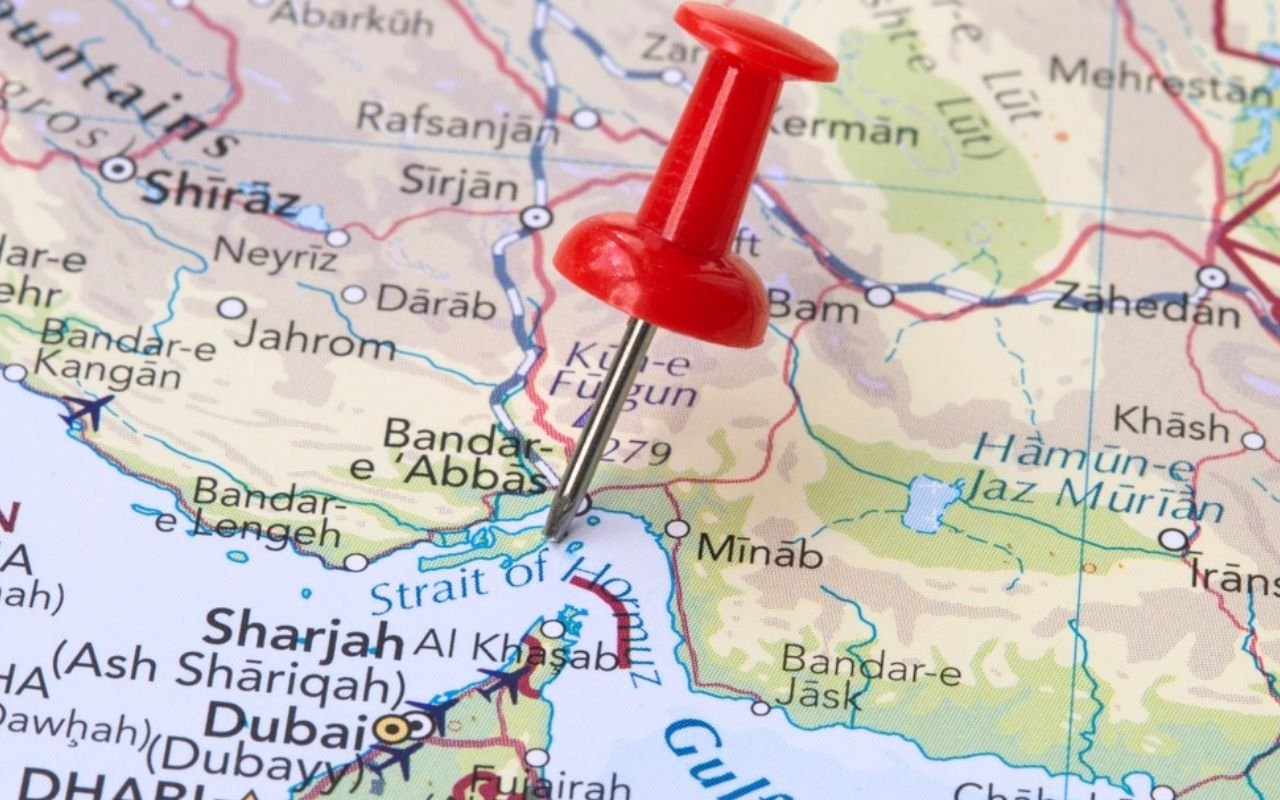
The Strait of Hormuz stands as a critical artery for global oil transportation, with Iran leveraging a blend of strategic tactics to disrupt this vital maritime corridor.
Located between Iran and Oman, the Strait of Hormuz is a narrow but indispensable passage linking the Persian Gulf to the Arabian Sea and the wider Indian Ocean. This chokepoint handles nearly 20% of the world’s oil exports daily, making it a high-stakes flashpoint in international geopolitics. Amid escalating Middle East tensions in 2026, Iran’s maneuvers to control and potentially obstruct maritime traffic through this strait have intensified, posing severe challenges to global energy markets and maritime security.
Iran’s asymmetric naval tactics shaping control of the Strait of Hormuz
The Strait of Hormuz, only 24 miles wide at its narrowest point, is one of the most strategically sensitive waterways on the planet. Covering approximately 55 kilometers, this passage is vital for transporting millions of barrels of crude oil every single day. Iran, aware of its geostrategic position, has adopted a comprehensive asymmetric approach to impede maritime transit without engaging in direct confrontation with superior Western naval powers. Iran’s asymmetric strategy involves using smaller, fast-attack boats, submarines, and a myriad of sea mines, coupled with missile threats and electronic warfare techniques. These allow Tehran to pressure international shipping lanes effectively while avoiding full-scale naval battles that would be unfavorable for its fleet. Such tactics aim to overwhelm or paralyze the defenses of commercial ships and naval escort operations by creating persistent and unpredictable hazards. The asymmetry is not merely military but psychological. For instance, when a merchant vessel was struck by a projectile in the Strait on March 11, 2026, with its crew forced to evacuate, concerns spiked worldwide. Although such strikes might not cause catastrophic damage, the incident highlights how even limited attacks can shake confidence among shipping companies. This creates a ripple effect, reducing traffic and prompting rerouting to more distant—and costlier—sea lanes. Beyond direct assaults, Iran employs intelligence operations and electronic surveillance to monitor and intimidate naval vessels in the region. These actions, combined with simulated threats, keep foreign maritime powers on heightened alert, complicating routine navigation and trade. A historical parallel can be drawn with the “Tanker War” of the 1980s Iran-Iraq conflict, where Iran similarly targeted shipping routes in the Gulf to weaken Iraqi supply lines. Today, this legacy informs Tehran’s nuanced approach that balances risk, restraint, and leverage over global oil supplies.
Potential impact and risks of mine warfare in the Strait of Hormuz
One of the most alarming possibilities Iran holds is the deployment of naval mines to effectively close off the strait. Experts estimate that laying around 300 mines could obstruct large tracts of this narrow waterway, bringing maritime traffic to a grinding halt. Mines are deceptively effective weapons. They can be covertly placed by Iran’s naval assets — from swift surface vessels to submarines — and remain hidden beneath the water’s surface. Once deployed, these mines present grave dangers that require extensive and time-consuming mine-clearing efforts, occasionally stretching across weeks or even months, depending on the severity and density of the minefield. Iran’s stockpile reportedly includes thousands of mines, backed by decades of manufacturing and strategic development of mine warfare capabilities. This arsenal gives Tehran a potent tool to project power and influence over a critical chokepoint without exposing itself to direct naval combat. Such a blockade would not just disrupt oil shipments but could also stalemate regional trade and military movements. Mining the Strait forces temporary closure by maritime authorities to protect civilian and commercial vessels while demining operations proceed. These closures ripple through global supply chains, instantly driving up oil prices, increasing shipping insurance costs, and inducing alternative but longer maritime routes through the Indian Ocean. Even short-lived mining incidents have historically triggered international naval responses, with multinational task forces deployed to clear mines and secure passage. The risk of escalating maritime skirmishes makes mine warfare not only a local regional issue but a global economic and security concern. In terms of risk management, operators of commercial fleets frequently alter their transit patterns and timing in response to such threats, which often increases operational costs. Nonetheless, the unpredictability imbued by mine threats sustains a perpetual atmosphere of maritime insecurity.
Economic consequences of a blocked Strait and global oil market disruption
The Strait of Hormuz handles approximately 20% of worldwide oil trade, accounting for tens of millions of barrels every day. Any obstruction—whether temporary or prolonged—immediately reverberates through the global energy markets, with far-reaching economic consequences. Oil prices are highly sensitive to interruptions at this chokepoint. Historical precedents demonstrate swift spikes in crude prices whenever tensions flare or incidents occur in the region. For example, during brief closures or threats against the strait in the 2010s and early 2020s, oil prices surged, exacerbating inflationary pressures and impacting transportation and manufacturing costs worldwide.
Governments and energy consumers worldwide depend on uninterrupted supplies flowing through the Strait. Renewed hostilities or partial blockades injected by Iran threaten to cause increased gasoline and diesel prices, threatening recovery efforts for emerging economies already battered by previous global crises.
An illustrative table below summarizes the potential economic ripple effects of a blockade:
| Economic factor | Impact of Strait blockage | Estimated duration of disruption |
|---|---|---|
| Oil price increase | Up to 30% rise within days | Weeks to months |
| Shipping insurance premiums | Doubles, raising shipping costs | Several weeks |
| Alternative shipping routes | Longer routes via Cape of Good Hope adding 10-15 days | Continuous during blockage |
| Regional economic instability | Increased risk of recession in Gulf states | Months |
These figures illustrate the gravity of Iran’s ability to disrupt the Strait—not just locally but globally. Even threats of closure prompt preemptive measures such as raising strategic oil reserves and diplomatic negotiations to avoid economic chaos.
International naval responses and challenges securing the Strait of Hormuz
Given the Strait of Hormuz’s strategic importance and Iran’s demonstrated willingness to threaten its passage, the international community, particularly NATO and allied nations, have ramped up naval patrols and escort missions to protect commercial shipping. However, securing this narrow maritime corridor is no straightforward task. The geography itself—only 24 miles wide—forces vessels into congested lanes, making navigation inherently risky in times of tension. Iran’s capability to deploy mines, quickly launch small boat attacks, and use anti-ship missiles complicates naval defense. Multinational naval cooperation has included the establishment of joint task forces that conduct escort and surveillance operations. The U.S. Fifth Fleet, based in Bahrain, has played a prominent role in safeguarding the passage, while European, Asian, and Middle Eastern countries contribute vessels to patrol against asymmetric threats.
Despite these efforts, challenges persist:
- Difficulty detecting and neutralizing stealthy mines and small fast-attack craft.
- Potential escalation risks if naval confrontations occur.
- Diplomatic tensions complicating cooperation, as some regional powers favor different approaches to Iran.
The naval dynamic in the Strait of Hormuz remains a delicate balance, where rapid incident escalation is always a looming risk. Each standoff draws attention to the difficulties of coordinating large-scale maritime security in a high-tension environment, where credible threats are continuously evolving.
Diplomatic efforts and economic strategies to mitigate Iran’s maritime obstruction
Amid the military tensions, parallel diplomatic and economic initiatives aim to ease the risks posed by Iran’s strategies around the Strait of Hormuz. Nations heavily reliant on Gulf oil exports have explored multilateral talks to encourage de-escalation and keep maritime trade flowing.
Some initiatives include:
- Building strategic petroleum reserves to buffer against supply disruptions.
- Investing in alternative pipeline routes that bypass the strait, such as undersea oil pipelines to the Arabian Sea.
- Utilizing international mediation channels to negotiate maritime security agreements focused on conflict de-escalation.
- Enhancing diplomatic engagement with Iran to reduce hostility and signal that maritime trade interruption carries heavy diplomatic costs.
While these efforts have met with varying degrees of success, the fundamental challenge remains Iran’s desire to maintain leverage through unpredictability and control. Economically, many countries are diversifying energy portfolios and pushing investments into renewables to reduce dependency on vulnerable maritime chokepoints.
In this complex environment, continued diplomatic pressure combined with economic resilience-building offers the most pragmatic path to preventing prolonged disruption in this pivotal maritime corridor.
Why is the Strait of Hormuz so critical for the global oil market?
The strait connects the Persian Gulf oil producers with global markets, with nearly 20% of the world’s oil shipments passing through daily, making it essential for energy security.
How does Iran’s asymmetric naval warfare impact shipping safety?
Iran uses small boats, mines, missile threats, and electronic warfare to create unpredictable hazards that discourage and disrupt maritime traffic without engaging in outright naval battles.
What are the challenges involved in clearing mines from the Strait of Hormuz?
Naval mines are hard to detect and neutralize, and mine-clearing operations can take weeks or months, necessitating temporary closure that disrupts shipping and trade.
How are international navies addressing security in the Strait amid tensions?
Multinational naval task forces conduct patrols and escorts but face challenges from mines, fast-attack craft, and the risk of escalating conflict in this narrow and contested corridor.
What diplomatic strategies exist to reduce the risk of maritime obstruction by Iran?
Diplomatic efforts focus on dialogue, confidence-building, strategic oil reserves, alternative pipelines, and international mediation to keep trade flowing and de-escalate tensions.
