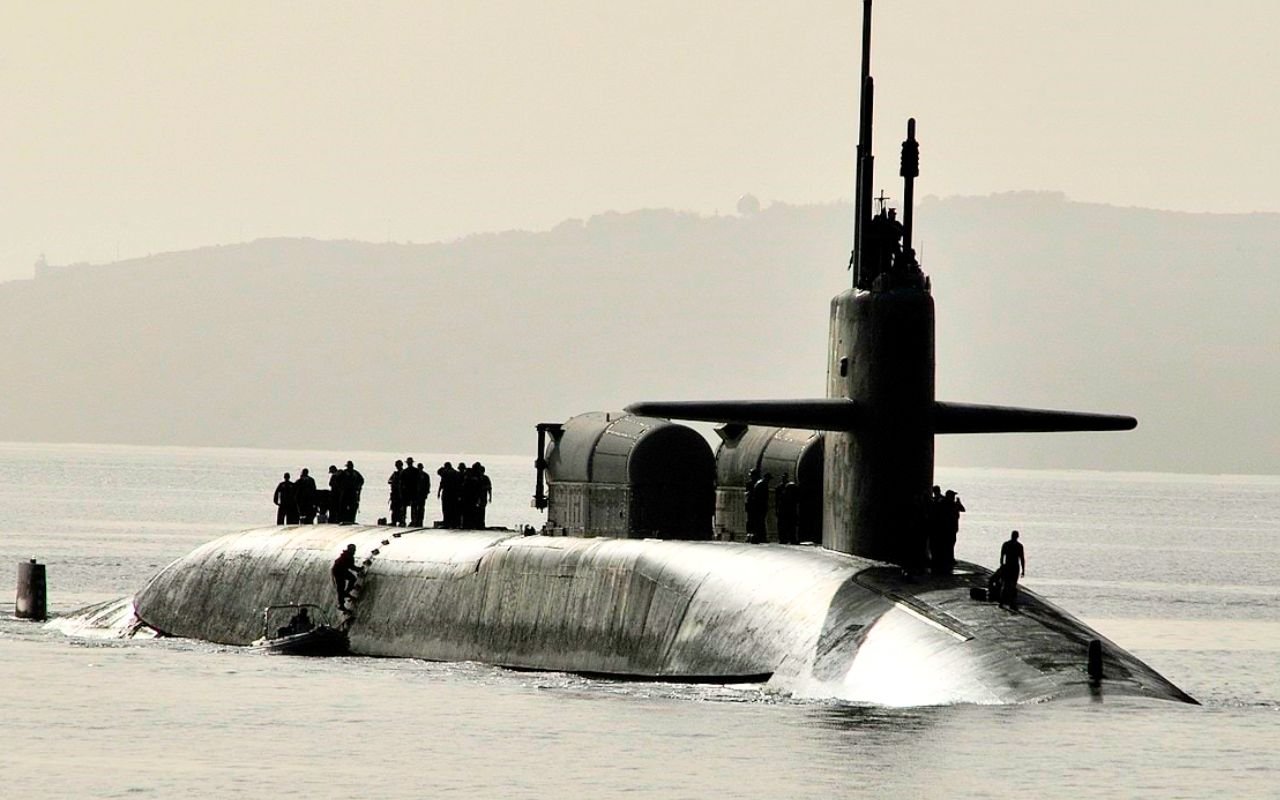
The USS Florida’s record-setting 727-day patrol shattered expectations and shifted paradigms in underwater naval endurance, showcasing unparalleled stealth, firepower, and global reach.
The transformation of the USS Florida from a ballistic missile carrier to a guided-missile submarine underscored a strategic pivot in naval warfare, adapting Cold War relics to modern-day needs. Its epic journey around the globe spanned key arenas of great-power competition, the Indo-Pacific, Middle East, and Europe operating continuously with crew rotations rather than resupply stops. This endurance mission shed light on the Ohio-class SSGN’s unmatched capabilities and revealed stark questions about the looming retirement of such platforms while replacements lag behind. The Florida’s saga is a testament to stealthy naval persistence but also a foreshadowing of strategic gaps emerging amid budget constraints and technological transitions.
Unprecedented endurance at sea: redefining naval patrol limits and implications for power projection
The USS Florida’s extraordinary deployment spanning 727 days—a marathon lasting nearly two years—stands as a milestone in naval history. Typically, Navy submarines rotate between months-long patrols followed by upkeep periods, but Florida’s mission broke this mold by sustaining active operations across 60,000 nautical miles (about 111,000 km) without extended port visits. This feat was possible due to innovative crew-swapping procedures, allowing five crew exchanges underwater or at designated harbors without compromising stealth. Endurance and stealth are the twin pillars of Ohio-class guided missile submarines (SSGNs), and Florida demonstrated these qualities with exceptional clarity. By remaining submerged for such prolonged durations, it challenged assumptions about undersea fatigue, logistics, and operational persistence, effectively sending a message to global rivals about the US Navy’s ability to maintain covert presence wherever needed. The strategic implications extend beyond mere distance or time at sea. The ability to patrol continuously enhances threat detection, deterrence, and rapid strike options especially along critical maritime choke points. This endurance mission validated the concept that undersea platforms could serve as highly reliable “day one” deterrents—ready to surge immediate firepower with minimal warning to adversaries. The 2011 Libya conflict had already shown Florida’s strike precision by firing over 90 Tomahawk missiles; this prolonged patrol amplified that reputation across multiple theaters simultaneously. Florida’s persistent presence in volatile zones like the Indo-Pacific amid rising tensions over Taiwan and expansive South China Sea claims illustrated a clear deterrence strategy without overt force projection. In essence, it combined firepower capacity with the psychological effect of being invisible but ever-present under the seas. This paradigm fortifies the US Navy’s posture amid a multi-polar global order dominated by potential flashpoints requiring nuanced but potent responses.
The Ohio-class transition from ballistic missile to guided-missile submarines: strategic adaptation in a post-Cold War world
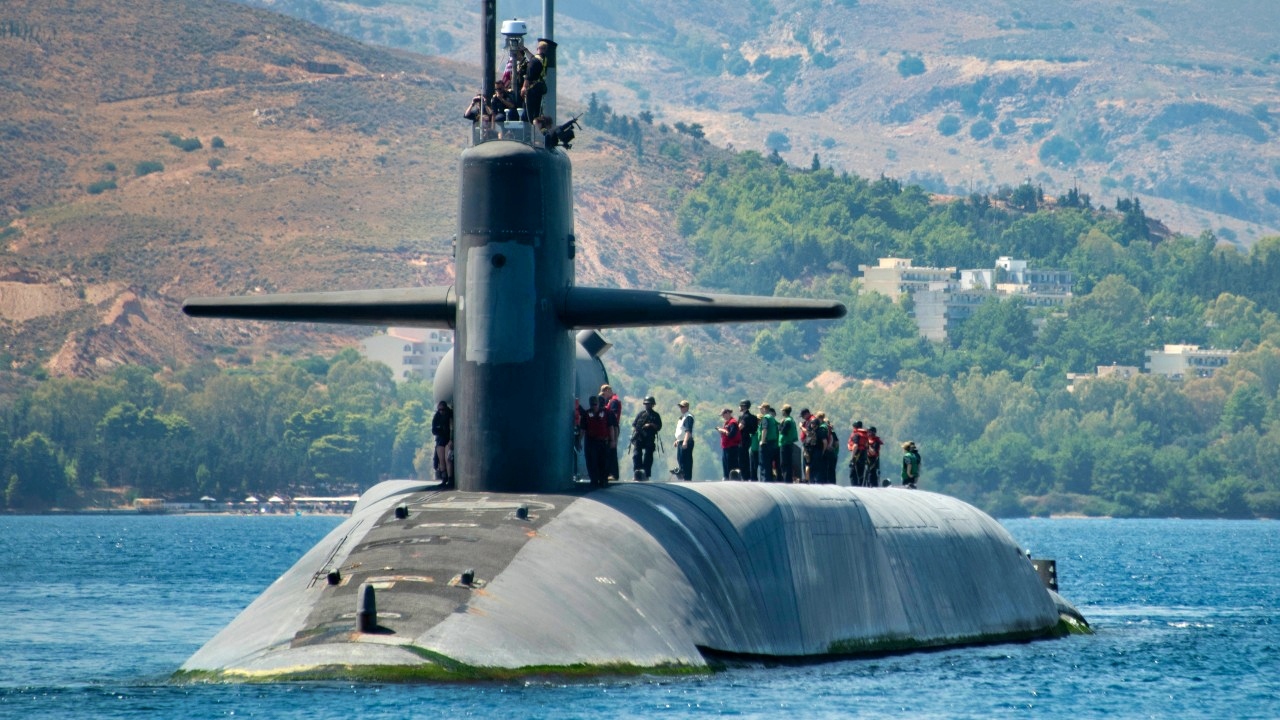
Originally commissioned as part of the Cold War nuclear deterrent fleet, the Ohio-class submarines were designed to sneak beneath the waves armed with ballistic missiles, guaranteed second-strike capability in nuclear war scenarios. Yet, geopolitical shifts and arms control agreements left the US Navy surplusing some ballistic submarines. Rather than scrapping these leviathans, a visionary retrofit program converted four Ohio-class SSBNs into guided-missile submarines (SSGNs) by the mid-2000s. The transformation removed nuclear ballistic missiles and replaced them with advanced conventional weaponry including up to 154 Tomahawk cruise missiles per hull—a massive leap in strike numbers compared with other platforms. In addition, the redesign included support systems for deploying unmanned underwater vehicles (UUVs), unmanned aerial vehicles (UAVs), and facilitating clandestine insertion of more than 66 Navy SEAL personnel for special operations. This shift represented more than an armament change. It was a strategic realignment prioritizing conventional, flexible responses to localized or regional conflicts rather than Cold War era nuclear standoffs. SSGNs offered a potent, covert presence that could initiate strikes against high-value targets with minimal collateral escalation risk. For example, during NATO’s Operation Odyssey Dawn in Libya 2011, the USS Florida deployed Tomahawks with highly precise effects, underscoring the platform’s ability to execute prompt “day one” strikes without conventional force build-up. Its adaptation proved the post-Cold War Navy’s capacity to preserve deterrence while embracing evolving threats and operational needs.
The tactical advantages of Ohio-class SSGNs in modern naval warfare: stealth, firepower, and special operations support
Understanding the strategic value of the Ohio-class SSGN requires delving into its tactical advantages. These submarines provide a hybrid platform combining stealth strike and special operations support in a way no surface vessel or air asset can mimic. Stealth remains a fundamental strength. Operating beneath the ocean surface enables SSGNs to evade radar, satellites, and enemy tracking methods more effectively than surface ships. This covert approach confounds adversaries attempting to anticipate US naval movements and hinders their planning for defensive or offensive actions. Firepower is another defining characteristic. With 154 Tomahawk missile tubes, an Ohio-class SSGN can simultaneously threaten numerous high-value targets over thousands of kilometers. This capacity dwarfs that of destroyers, cruisers, or aircraft carriers that rely on aerial strikes or fewer missile cells. Crucially, SSGNs do not depend on carrier strike groups or overseas basing, offering unparalleled operational independence and rapid deployment flexibility. A third layer of capability comes from accommodating and deploying Navy SEALs alongside unmanned vehicles. The combination of clandestine insertion capability with precision missile strikes makes these submarines versatile tools for intelligence gathering, sabotage, disruption, or direct combat actions—allowing for a multi-dimensional approach to maritime conflict. Together, these capabilities create a force multiplier effect, allowing the US Navy to project power with ambiguity and persistence. An adversary monitoring surface and aerial forces might not detect an SSGN quietly poised nearby, ready with responsive missile salvos or special forces deployment.
Key Ohio-class SSGN features:
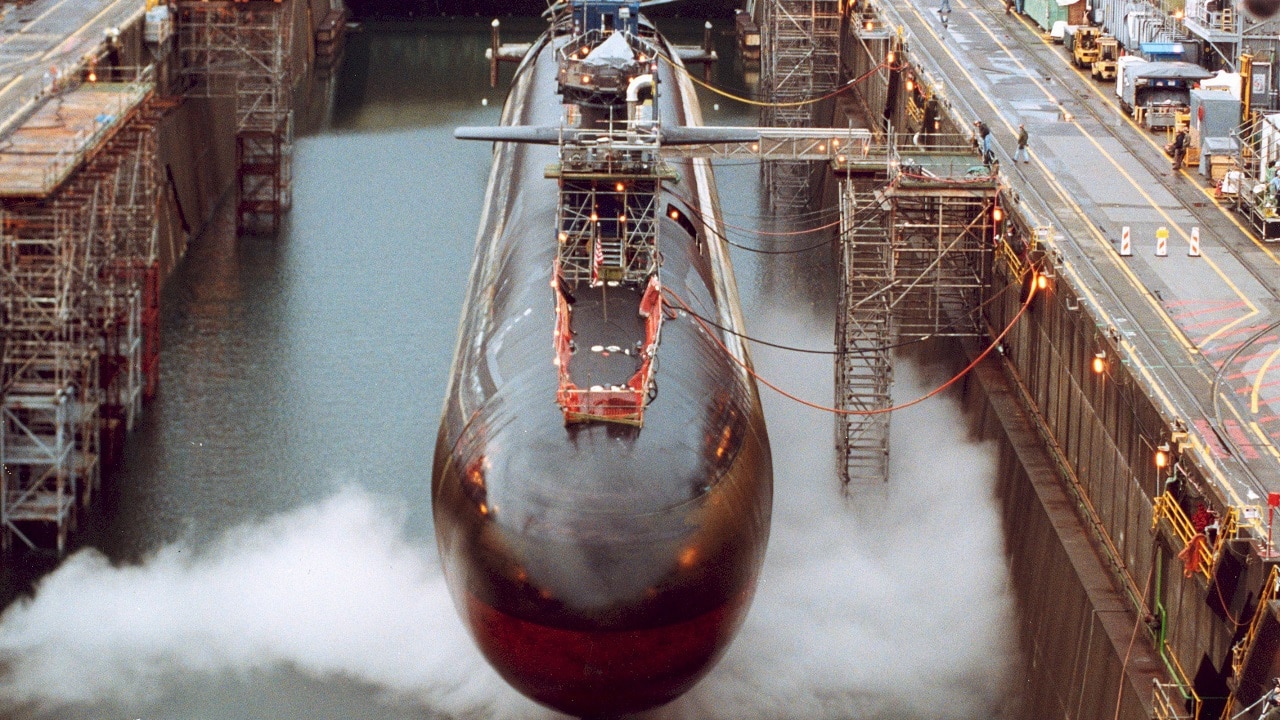
- Missile capacity: Up to 154 Tomahawk cruise missiles
- Special forces support: Over 66 Navy SEAL personnel deployment capacity
- Multi-mission payloads: UUVs, UAVs, and other specialized equipment
- Stealth endurance: Submersion for months sustained by rotating crews
- Global reach: Operational across multiple fleet areas worldwide
The looming retirement challenge: implications of Ohio-class SSGN phase out and capability gap risks
Despite demonstrated relevance, the US Navy plans to retire Ohio-class SSGNs including USS Florida by 2026, raising critical concerns. No direct replacement currently exists, as the Columbia-class submarines set to phase in are designed to replace ballistic missile SSBNs, not guided-missile SSGNs. This anticipated retirement threatens to create a “conventional strike gap” given the sheer volume of missile cells housed aboard SSGNs. Hundreds of Tomahawk launchers will vanish from the fleet alongside their launch platform, potentially diminishing rapid precision strike options especially during early conflict stages. Cost pressures and technological hurdles have delayed Columbia-class entries and diverted funds away from SSGN-like capabilities. This mismatch between strategic demand and budget realities forces difficult trade-offs, as smart force design balances current risk against future readiness. Furthermore, in the Indo-Pacific where undersea dominance and persistent presence underpin deterrence against China’s expanding maritime assertiveness, shrinking stealthy missile capacity complicates US posturing. Surface combatants face greater exposure, and aerial assets require basing and air superiority, unlike SSGNs that operate covertly from international waters far from friendly ports. The retirement question underlines a broader dilemma: whether strategy should drive procurement or if fiscal constraints inadvertently dictate fleet architecture. The USS Florida’s historic 727-day patrol reveals the profound utility of SSGNs in modern naval contests, making their departure all the more poignant amidst rising great-power tensions.
The future of submarine warfare amid evolving technologies and great-power competition
Looking beyond 2026, the Navy’s challenge lies in bridging the capability gap left by retiring Ohio-class SSGNs. The Columbia-class will strengthen nuclear deterrence but does not replace tactical strike capacity or special forces insertion capabilities. Meanwhile, Virginia-class Block V submarines promise improvements but still fall short of the Ohio-class missile payload and endurance. Advances in unmanned systems, artificial intelligence, and undersea drone swarms may complement but not fully substitute the organic firepower and presence that SSGNs offer. The growing emphasis on integrated warfare, cyber warfare, and multi-domain operations means that future undersea platforms must balance stealth, lethality, and flexibility. Meanwhile, great-power competition, especially with China and Russia, intensifies requirements for persistent, ambiguous naval presence capable of deterring rapid contingencies. Porting forward-deployed stealth assets like the Ohio-class SSGNs proved critical in recent decades—losing them could erode that edge.
As budget planners juggle rising defense spending (over one trillion euros globally by 2026), authorities must weigh maintaining versatile underwater platforms against emerging technologies. The fate of the Ohio-class guided missile submarines is emblematic of the broader strategic crossroads confronting naval forces worldwide.
| Submarine | Designation | Missile capacity (Tomahawk) | Role | Expected retirement |
|---|---|---|---|---|
| USS Florida | SSGN-728 | 154 | Guided Missile Submarine, special ops support | 2026 |
| USS Ohio | SSGN-726 | 154 | Guided Missile Submarine, special ops support | 2026 |
| USS Michigan | SSGN-727 | 154 | Guided Missile Submarine, special ops support | Planned |
| USS Georgia | SSGN-729 | 154 | Guided Missile Submarine, special ops support | Planned |
What made the USS Florida’s 727-day patrol historically significant?
The USS Florida’s patrol was one of the longest continuous submarine missions ever completed, covering over 60,000 nautical miles without long port stays, demonstrating unprecedented naval endurance and operational flexibility.
How did the Ohio-class submarines transition from ballistic to guided missile roles?
Four Ohio-class ballistic missile boats were converted into guided missile submarines (SSGNs) in the mid-2000s to enhance conventional strike ability with up to 154 Tomahawk missiles and support special operations, adapting to post-Cold War strategic needs.
Why is the retirement of Ohio-class SSGNs a strategic concern?
Retiring these platforms risks a ‘conventional strike gap’ due to their large missile payload and stealth, with no direct replacements ready, potentially weakening the Navy’s early conflict rapid strike capabilities.
What tactical advantages do the Ohio-class SSGNs hold over other naval platforms?
Ohio-class SSGNs combine unmatched stealth, missile salvo capacity, and the ability to deploy special forces covertly, offering unique operational flexibility unmatched by surface vessels or air assets.
How might future submarine warfare evolve past the Ohio-class era?
Emerging technologies like unmanned drones, AI, and new hull designs promise to enhance undersea combat, but balancing endurance, firepower, and stealth remains a crucial challenge amid great-power competition.
