The U.S. Army’s unprecedented $20 billion contract with Anduril Industries marks a bold leap into integrating cutting-edge AI technologies for battlefield supremacy.
In an era where warfare increasingly relies on intelligence and rapid data processing, the U.S. Army has awarded a massive firm-fixed-price contract to Anduril Industries, a Silicon Valley defense startup. Valued at up to €20 billion over the next decade, this deal aims to enhance battlefield communications and situational awareness through an advanced, AI-driven network. This milestone agreement exemplifies the military’s pivot from traditional systems to tech-infused solutions designed to maintain dominance in evolving global conflicts.
Revolutionizing military communications with AI-powered battlefield networks
The traditional battlefield has long been challenged by fragmented communication systems that impede real-time decision-making and troop coordination. This contract addresses the necessity to unify disparate platforms into a cohesive, secure, and intelligent network. Anduril’s AI-driven solutions are designed to process vast amounts of data, fuse sensor inputs, and provide soldiers and commanders with an unprecedented level of situational awareness.
Battlefield communication is evolving rapidly to meet the modern demands of warfare, where delays or misinterpretation can prove fatal. Anduril’s advanced technologies, such as AI-powered signal processing and autonomous systems integration, enable a faster and more resilient operational environment. The network promises improved command and control (C2) capabilities through automation and intelligent data filtering.
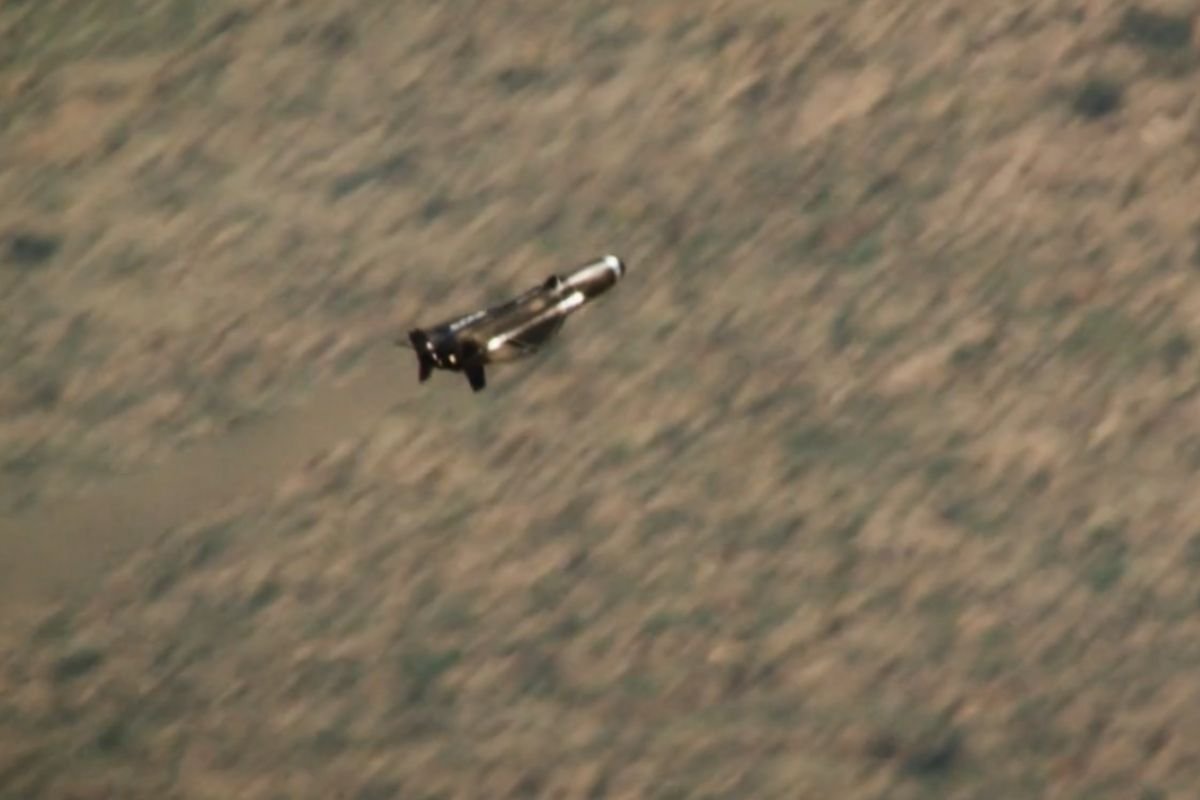
Headquartered in Costa Mesa, California, it has become one of America’s fastest-rising defense firms, supplying advanced systems to the U.S. military and allied forces.
For example, battlefield sensors detecting enemy movements, drone feeds, satellite imagery, and soldier-worn devices can now converge onto a single, mission-ready ecosystem. This ecosystem allows commanders to visualize the battlefield in near real-time, improving strategic planning and rapid response. Case studies from recent field tests show that such fluid data sharing reduces human error and stifles information overload, empowering troops at multiple command levels.
Additionally, this new network architecture is built with modularity at its core. As military technology advances or mission needs change, hardware and software components can be updated or swapped without disrupting the entire system. This flexibility represents a decisive advantage in volatile combat zones, where adaptability can save lives and resources.
Anduril Industries: a Silicon Valley defense disruptor reshaping U.S. military procurement
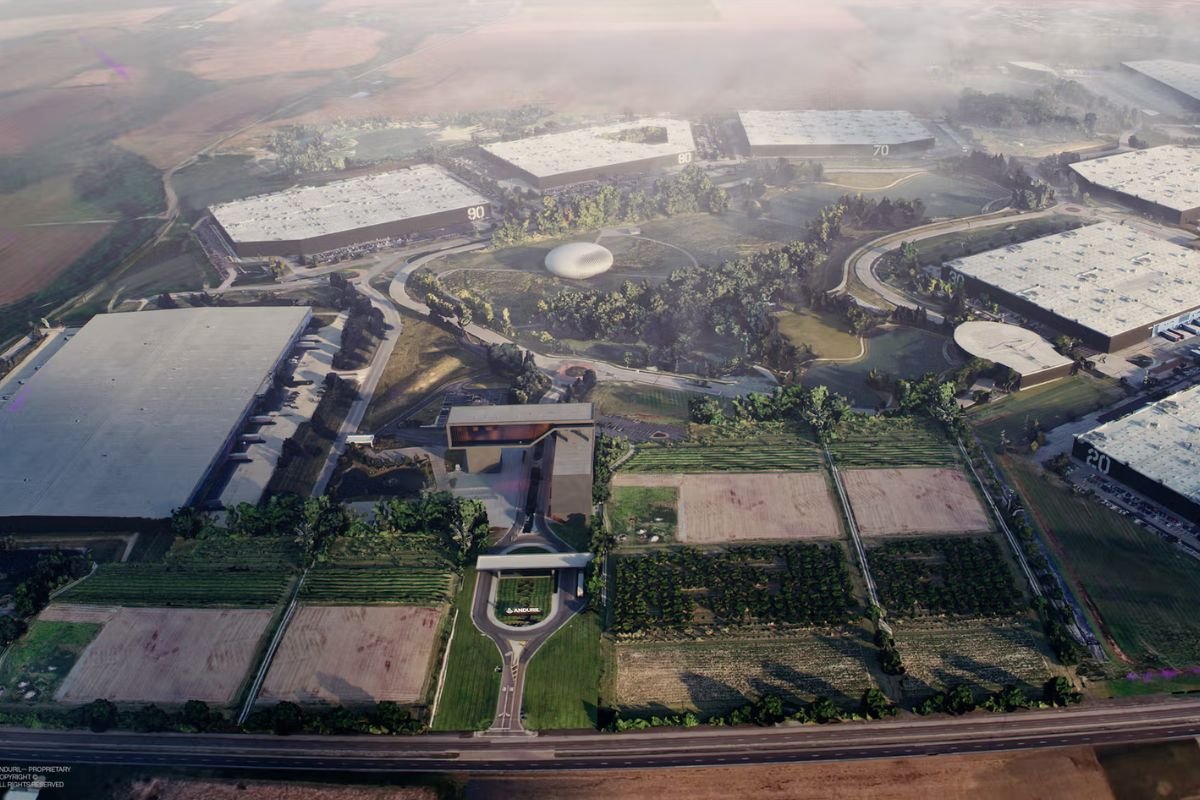
Unlike traditional defense contractors, Anduril emerged from the tech sector ecosystem, applying Silicon Valley innovation strategies to defense challenges. Founded in 2017 by Palmer Luckey, the company initially focused on autonomous drones and counter-drone technologies but rapidly expanded its portfolio. This €20 billion contract firmly establishes Anduril as a key player in the defense industry’s transformation.
Anduril’s approach marries commercial tech agility with military-grade robustness, enabling rapid prototyping and deployment. Their Lattice AI software framework integrates hardware sensors, communications, and command software into a unified platform. The U.S. Army’s confidence in Anduril reflects a wider Pentagon shift toward streamlined acquisition processes that prioritize speed and innovation over traditional bureaucracy.
Moreover, Anduril’s software-centric offerings help reduce the need for costly traditional hardware upgrades, focusing instead on updating algorithms and AI models. This shift not only promotes cost efficiency but ensures the military can quickly adapt to emerging threats such as cyber warfare and electronic attacks. Anduril’s multi-domain battlefield network plans to incorporate AI to detect anomalies and threats autonomously, alerting human operators and suggesting optimal countermeasures.
The impact of this contract goes beyond technological innovation. By injecting Silicon Valley’s culture of rapid iteration and flexible funding into defense, Anduril is prompting the military to rethink its research and development paradigms. This could catalyze new procurement models that blend government oversight with private sector innovation, accelerating the U.S. Army’s technological edge.
Ensuring battlefield security and resilience amid rising cyber threats
Integrating advanced AI and networked battlefield systems inevitably introduces cybersecurity and operational risks. Recent internal memos from Army officials have flagged concerns about potential vulnerabilities within these complex platforms. Addressing these “very high risk” factors is crucial to guarantee that technological gains do not create exploitable weaknesses.
Anduril’s solution incorporates multi-layered cybersecurity defenses designed to protect the integrity and confidentiality of battlefield data. This includes encryption protocols, real-time threat detection powered by AI, and autonomous response mechanisms that can isolate compromised nodes. The system’s resilient architecture enables it to degrade gracefully rather than fail catastrophically if attacked.
Combat network security remains a central priority as adversaries increase their cyber warfare capabilities. Proactive measures, such as constant software patching and AI-led anomaly detection, are combined with human oversight to maintain vigilance. Innovative approaches include self-healing networks that automatically reroute communications to maintain connectivity under fire.
Importantly, operational resilience also means that soldiers can rely on the system under adverse conditions such as electronic jamming or physical damage. Field exercises have demonstrated the network’s ability to maintain core functions even when disconnected from central command for extended periods. Such robustness is essential for mission success amidst the unpredictable chaos of combat.
As this $20 billion program unfolds, continuous collaboration between military cybersecurity experts and Anduril’s engineers will be critical. Such partnerships will help identify emerging threats and develop countermeasures preemptively rather than reactively, safeguarding the battlefield’s AI-driven future.
The strategic implications of Anduril’s $20 billion contract on global defense dynamics
This landmark contract is not only a domestic milestone but also signals a shift in the global military technology landscape. The U.S. Army’s commitment to a decade-long partnership with Anduril sends a clear message about prioritizing autonomy, AI integration, and commercial innovation in defense readiness. This development could compel other nations to accelerate their own military modernization efforts.
Alliances and rival powers alike will monitor this initiative closely. Nations seeking to maintain or challenge U.S. military supremacy may adapt or intensify investments in AI-enabled systems, drone warfare, and sensor networks. Consequently, defense experts predict a wave of similar ventures in Europe, Asia, and the Middle East.
From a strategic viewpoint, this contract exemplifies how the U.S. plans to maintain battlefield dominance through technological superiority, especially given the increasing ambiguity and complexity of potential conflict theatres. AI-powered networks facilitate faster reactions to hybrid warfare tactics—including cyberattacks, misinformation campaigns, and asymmetric threats—enhancing strategic deterrence.
The massive €20 billion contract also underscores the importance of private sector partnerships in national defense strategies. Governments may increasingly rely on startups and tech companies instead of traditional prime contractors to remain agile amid fast-evolving threats. This shift can reshape defense industrial bases worldwide, emphasizing software capabilities alongside hardware production.
In sum, this paradigm shift in military procurement and battlefield technology is poised to redefine military balances globally, accelerating an arms race focused on artificial intelligence and autonomous systems.
Key elements and timeline of the Anduril and U.S. Army collaboration
Understanding the contractual and operational framework between Anduril and the U.S. Army can clarify expectations and benchmark progress. The program’s duration is ten years, with phased delivery milestones, research and development updates, and ongoing integration tests.
| Year | Milestone | Details | Budget Allocation (€ billion) |
|---|---|---|---|
| 2026 | Contract signing and initial deployment | Foundation for the unified battlefield network; start of integration testing | 2.0 |
| 2028 | First operational prototypes | Field tests and feedback incorporation from frontline units | 4.5 |
| 2030 | System-wide deployment begins | Rolling out the AI-driven network across select battalions | 6.0 |
| 2032 | Advanced feature integration | Introduction of enhanced AI capabilities and cybersecurity upgrades | 4.0 |
| 2036 | Full operational capability | Complete deployment and operational readiness across all units | 3.5 |
This timeline highlights the measured and strategic implementation of a highly complex defense system. The phased investment ensures steady development, validation, and scaling of technologies while accommodating necessary adaptation based on operational feedback. It also reflects the Army’s emphasis on a balanced approach between innovation speed and practical usability in harsh environments.
- Accelerated integration of AI and machine learning for battlefield command
- Enhanced situational awareness through sensor fusion and edge computing
- Robust cybersecurity protocols ensuring system resilience
- Modular, scalable hardware and software design for future-proofing
- Close collaboration between private tech firms and military agencies
What specific technologies will Anduril provide under this contract?
Anduril will deliver an integrated AI-driven command and control system combining sensor fusion, autonomous drones, battlefield communication devices, and cybersecurity solutions tailored for military operations.
How will this contract change the way the U.S. Army fights battles?
The contract enables real-time battlefield intelligence dissemination, faster decision-making, and automated threat detection, which will drastically enhance operational agility and troop safety.
What are the main cybersecurity risks with AI-enabled battlefield networks?
Potential risks include hacking, data manipulation, and system outages caused by sophisticated cyberattacks, which could disrupt communications or mislead commanders unless continuously monitored and secured.
Why is a startup like Anduril winning such a massive defense contract?
Anduril combines rapid innovation typical of Silicon Valley with military-grade security and scalability, aligning with the Army’s shift toward faster and more flexible technology procurement processes.
Will this contract influence global military technology trends?
Yes, this €20 billion deal signals a global shift towards AI and autonomous systems in defense, prompting other nations to accelerate modernization and adopt similar collaborative frameworks.
Sources:
- https://www.army.mil/article/291074/u_s_army_awards_enterprise_contract_for_it_commercial_solutions
- https://www.war.gov/News/Contracts/Contract/Article/4434754/contracts-for-march-13-2026
- Anduril Industries
