The prospect of deploying U.S. troops directly in Iran to secure the Strait of Hormuz marks a critical juncture in global energy security and military strategy in 2026.
With tensions escalating, this strategic waterway’s free flow is under constant threat, inviting unprecedented military considerations. The United States is weighing its options to guarantee uninterrupted passage amid Iran’s assertive maneuvers, a move that could reshape geopolitical dynamics around the Persian Gulf. The Strait of Hormuz serves as a pivotal artery for nearly a fifth of the world’s oil transport, rendering its stability essential for global markets. Amid rising oil prices soaring past €100 per barrel, the Trump administration has hinted at the possibility of naval convoys escorted by armed forces to break potential Iranian blockade attempts. Such military maneuvers are fraught with risk but may become imperative as diplomatic solutions stall and Iranian threats escalate.
Assessing the strategic significance and challenges in the Strait of Hormuz
The Strait of Hormuz is not just a narrow maritime corridor; it is a linchpin of energy security and global commerce. This chokepoint lies between Oman and Iran and connects the Persian Gulf to the Arabian Sea, funneling oil and natural gas from several of the world’s largest producers to global markets. About 20% of the world’s oil exports transit through this passage, making any disruption a catalyst for economic shockwaves worldwide. Iran leverages its geographical position with a sophisticated military presence that includes highly effective sea mines, ballistic missile launchers, and a network of fast-moving drone platforms. These assets pose an alarming threat to commercial tankers and naval vessels. In recent months, Iranian forces launched drills that showcased their control over this critical waterway, confirming fears that Tehran could, if provoked, restrict oil exports by deploying various asymmetric warfare tactics. Maintaining free navigation through the Strait is complicated further by the narrowness of the waterway, which spans approximately 54 kilometers at its narrowest point. The proximity between the transit lanes and Iran’s shoreline means that missile and drone launchers could strike with little warning, creating a perilous environment for any naval operations. Analysts highlight that naval convoys seeking to escort oil tankers risk being targeted by mobile Iranian forces that employ hit-and-run tactics, complicating defense efforts. The need to safeguard this maritime artery has prompted discussions about deploying U.S. special operations forces, such as SEAL Team Six or Delta Force, tasked with identifying and neutralizing mobile missile and drone launchers. Nonetheless, the risk of escalation and the complexity of operating in hostile coastal terrains present significant strategic challenges for any future mission.
The U.S. military strategy: Escort convoys and the potential use of special operations
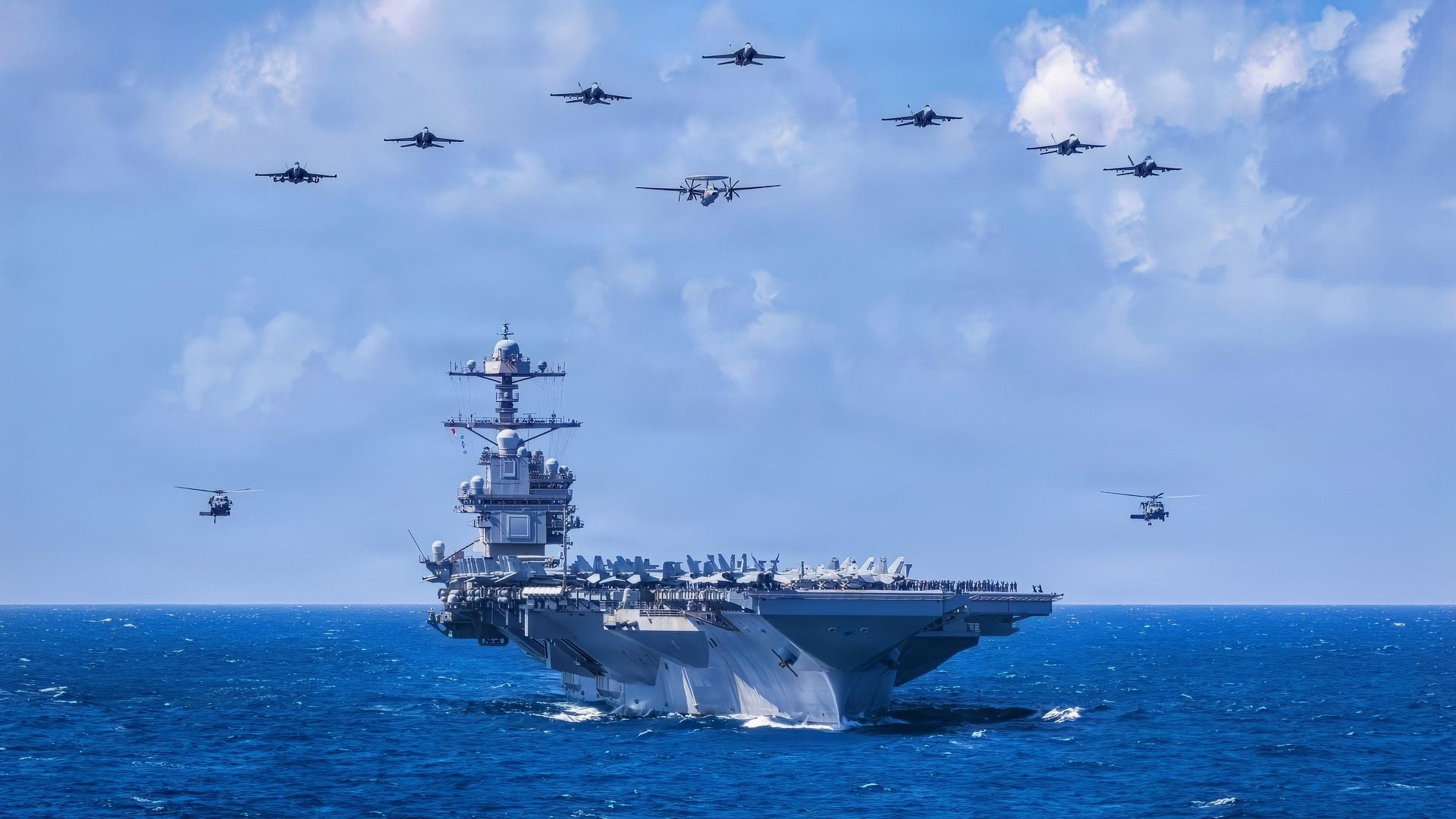
The Trump administration is actively considering deploying naval escorts through the Strait of Hormuz as part of a strategy tentatively dubbed Operation Epic Escort. This initiative is designed to counter Iranian attempts to restrict the passage of oil tankers and maintain energy flow to the global market.
According to national security experts, escort operations would involve U.S. Navy warships conducting high-speed and coordinated maneuvers alongside commercial vessels to deter Iranian aggression. Secretary of Defense Pete Hegseth has publicly assured that the department possesses contingencies to keep the waterway open and avoid a total closure, emphasizing sustained U.S. military readiness.
While surface escorts offer a protective shield, they are vulnerable to Iran’s use of sea mines. The U.S. military has already neutralized at least 16 vessels suspected of laying mines in the waters surrounding the Strait, highlighting the persistent threat. The potential danger to U.S. warships includes missile strikes launched from just a few kilometers inland, giving Iranian forces an edge in reaction time due to their proximity.
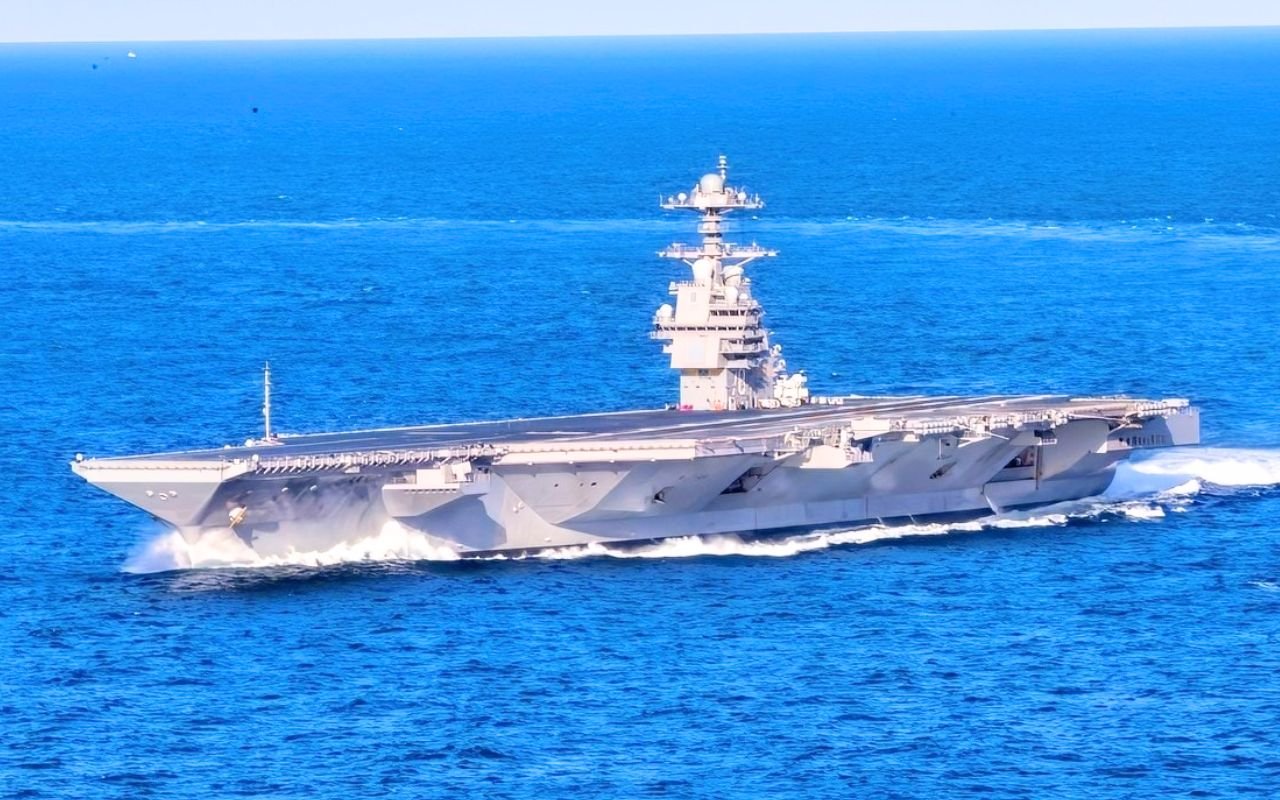
The tactical complexity of this mission suggests that naval forces alone may not suffice. Special operations forces may need to conduct “shoot and scoot” strikes to quickly destroy missile launchers before disappearing into terrain. These operations would require air support from aircraft carriers to provide cover and execute potential combat search and rescue missions.
Despite the risks, the U.S. military’s layered approach—to combine naval strength with special ops assets—is aimed at deterring Iranian aggression without escalating into full-scale ground conflict. This strategy also reflects a preference for limiting the footprint of deployed forces, balancing military necessity against broader geopolitical consequences.
Economic stakes: How disruptions in the Strait impact global oil prices
Pressure in the Strait of Hormuz directly translates to uncertainty in global energy markets, creating sharp spikes in oil prices. As of early 2026, oil has topped the €100 per barrel mark, an unsettling milestone that echoes previous crises in this volatile region. The surge at the pump strains economies and adds volatility to global markets already coping with post-pandemic recovery and geopolitical frictions.
The annual transit of roughly 21 million barrels of oil — equivalent to about 20% of global petroleum exports — means that any disruption reverberates swiftly across import-dependent nations. For example, the recent string of attacks on cargo ships near Iranian waters, including the Islamic Revolutionary Guard Corps’ claimed assaults on six vessels over two days, caused immediate price jumps.
Such incidents accelerate inflationary pressures, pushing up the cost of transportation and manufacturing worldwide. Consumers see the consequences in higher gasoline prices and increased costs for goods reliant on petroleum products. In this context, the United States and its allies remain vigilant to avoid a complete closure of the Strait, which would have catastrophic consequences on the oil-dependent sectors of the global economy.
| Date | Incident | Impact on oil price (€/barrel) |
|---|---|---|
| March 13, 2026 | Trump announces possible naval escort plan | €93 increasing to over €100 in following days |
| March 17, 2026 | Attacks on six cargo vessels near Iran | Spike to €104 |
| April 1, 2026 | U.S. neutralizes Iranian mine-laying vessels | Oil price stabilizes near €98 |
| April 10, 2026 | Increased military convoys in Strait | Prices steady around €99-100 |
Risks and ramifications of deploying ground forces in Iran
The notion of deploying troops inside Iranian territory evokes a host of operational and political challenges. While the U.S. administration currently prioritizes naval and air power to maintain free passage, contingency plans include the potential use of ground forces, particularly special operations units.
Deploying troops on the ground would mean engaging in a complex environment with mobile Iranian missile units and drone launchers dispersed along the coast. These units practice rapid relocation tactics, making targeted strikes difficult yet essential to disarm the immediate threat to navigation lanes.
The possible deployment would look like a delicate balance between holding terrain and carrying out aggressive “shoot and scoot” missions to dismantle enemy systems. Commanders would have to contend with the logistics of resupply, casualty evacuation, and maintaining air superiority to support forces on the ground.
Such an operation risks provoking broader conflict escalation with Iran and its regional proxies, fundamentally altering the geopolitical equation in the Middle East. The logistics would be complicated by the hostile environment and dense urban or mountainous terrain, limiting the window for successful operations and increasing the risk to personnel.
Nonetheless, the readiness of elite units such as SEAL Team Six or Delta Force, supported by U.S. Army Rangers, ensures a rapid and professional response capability. The mission’s success heavily depends on precise intelligence and swift execution to prevent Iranian forces from launching retaliatory strikes on U.S. assets.
Strategic implications for global security and future conflict management
The developments in the Strait of Hormuz resonate far beyond the immediate region, influencing global power balances and alliance structures. Ensuring uninterrupted navigation here is critical not only for economic stability but also for maintaining U.S. influence across the Indo-Pacific and Middle Eastern theaters.
The United States’ approach of combining naval convoys, air support, and special operations reflects a multi-dimensional strategy to control a geographically constrained but enormously significant corridor. This method aims to deter Iranian aggression with calibrated force while attempting to avoid open war.
Moreover, allies and global partners closely monitor these developments. Europe’s energy security is particularly sensitive to disruptions in this corridor, encouraging collaborative efforts for shared maritime security. Discussions around coordinated military escorts, intelligence-sharing, and sanctions enforcement intensify as the situation evolves.
The consequences of failure could be dire: a prolonged closure of the Strait would ripple through markets, raising energy costs worldwide and possibly prompting other regional conflicts. The U.S. military’s commitment to safeguarding this choke point demonstrates the strategic priority placed on this small yet vital stretch of water.
- Protecting global oil supplies to avoid major market shocks
- Deterring Iran’s aggressive tactics using a multi-layered military approach
- Preventing escalation by calibrating force and diplomatic efforts
- Ensuring alliance coordination for greater regional stability
- Maintaining freedom of navigation in a critical maritime corridor
Why is the Strait of Hormuz so strategically important?
It is a narrow sea passage connecting the Persian Gulf with the Arabian Sea, through which about 20% of the world’s oil exports pass, making it crucial for global energy security.
What threats does Iran pose in the Strait of Hormuz?
Iran deploys sea mines, missile launchers, and drones close to the transit lanes, potentially endangering commercial and military vessels that pass through the Strait.
What is the U.S. military’s approach to keeping the Strait open?
The U.S. plans to escort commercial vessels with naval convoys supported by special operations forces and air power to neutralize threats while minimizing direct confrontation.
Could the U.S. deploy ground troops inside Iran?
While possible as a contingency, deploying ground forces inside Iran presents complex risks and logistical challenges and would likely be a last-resort option.
How do disruptions in the Strait affect global oil prices?
Any disruption causes immediate spikes in oil prices, affecting global markets and making energy more expensive for consumers worldwide.
