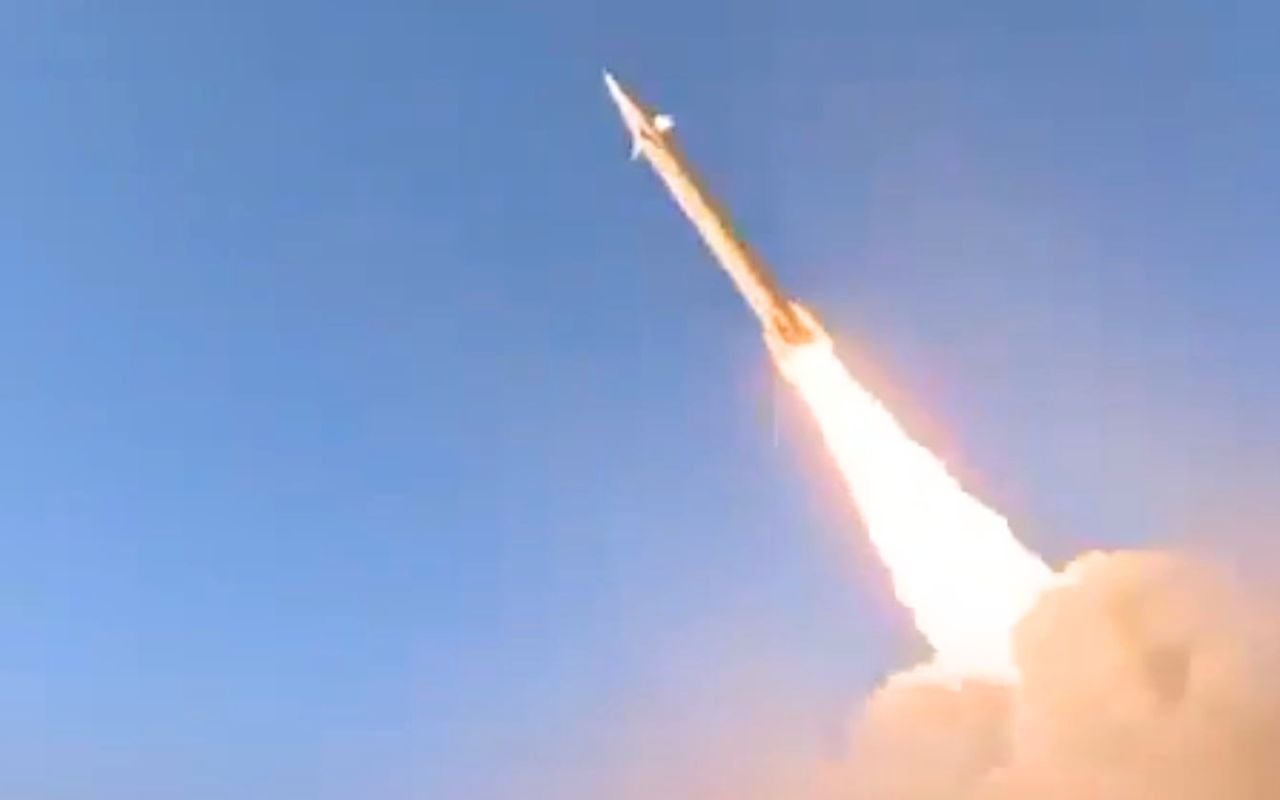
Iran’s unprecedented missile strike aimed at a NATO strategic base in Turkey has dramatically escalated regional tensions and challenged long-standing alliances.
In a striking move that has sent shockwaves across the geopolitical landscape, Iran has launched a ballistic missile targeting a NATO military base stationed in Turkey. This unprecedented act comes amid growing conflict in the Middle East and signifies a direct challenge to NATO’s collective defense mechanisms. The incident has prompted urgent security reassessments among alliance members, raising critical questions about regional stability and the future of NATO’s eastern flank. As Turkey grapples with the ramifications of this strike, the broader alliance faces a test of unity and strategic resolve.
Understanding the strategic importance of NATO bases in Turkey and why Iran aims at them
Turkish NATO bases serve as a crucial hub for Western military operations in the Middle East, linking Europe and Asia strategically. Housing US troops and NATO assets, these bases are pivotal for intelligence gathering, rapid deployment, and regional defense. Among them, the Incirlik Air Base stands out as a vital conduit for coalition airstrikes and surveillance missions targeting extremist groups and hostile regimes.
Iran’s attention on these facilities is far from random. By targeting a NATO base in Turkey, Tehran signals its willingness to confront Western military presence near its borders and disrupt the alliance’s operational capabilities. Historically, Iran has issued warnings against any form of aggression towards its territory, promising retaliation. Now, by firing a ballistic missile into Turkish airspace, Iran raises the stakes by moving from rhetoric to direct action.
This development reflects Iran’s broader strategic calculus. Posture-wise, it seeks to project power, deter enemy intervention, and rally regional support by positioning itself as a dominant force challenging US and allied influence. Strategically, the missile strike conveys a message: Iran’s regional aspirations extend beyond its immediate neighbors and that its tolerance for Western military pressure has a limit.
Delving into Turkey’s role adds complexity. Turkey, as a NATO member sharing a border with Iran, Egypt, Syria, and Iraq, operates a delicate balancing act. While aligned with the West structurally, it maintains economic and diplomatic ties with Iran. The missile threat to its bases underscores vulnerabilities within this balancing and illustrates how Turkey’s geography makes it a flashpoint for broader conflicts.
The missile attack also disrupts the status quo of regional power balance. For example, NATO’s integrated air defense systems recently intercepted a second Iranian missile crossing into Turkish airspace, highlighting persistent threats. These defensive clashes reveal an ongoing silent conflict beneath open hostilities, with serious implications for alliance cohesion and Turkey’s security policies.

The technological and tactical dimensions of Iran’s ballistic missile use against NATO targets
The use of ballistic missiles in modern conflict signals an advanced and explicit application of military technology for strategic intimidation. Iran’s missile arsenal has evolved significantly over the past decade, featuring enhanced range, accuracy, and payload capacity. These capabilities allow Tehran to threaten targets hundreds of kilometers away with potential precision strikes, thereby extending its operational reach into NATO zones.
Specifically, the missile launched towards Turkey exhibits characteristics of medium-range ballistic missiles capable of traversing through Iraq and Syria—both Iranian-influenced territories—before entering Turkish airspace. Such trajectories indicate meticulous planning and a deep understanding of the geopolitical landscape. These launches are also coordinated to test NATO’s missile defense systems, probing weaknesses and response times.
From a tactical standpoint, ballistic missiles serve multiple roles: deterrence, retaliation, and signaling. Iran’s choice to fire missiles rather than engage in conventional attacks demonstrates a strategy aligned with asymmetric warfare principles. It allows Tehran to inflict psychological pressure disproportionate to the cost of deployment. It also complicates NATO’s response options, as missile interceptions require swift and coordinated defense across member states.
Moreover, Iran’s missile strikes highlight the evolving nature of missile defense technology within NATO, particularly in southeastern Europe and the eastern Mediterranean region. Turkey’s interoperability with NATO missile defense systems, such as the Patriot batteries, was tested during these interceptions. The ability to detect, track, and neutralize missiles before impact reflects decades of investment. Still, frequent Iranian challenges urge continuous upgrades and strategic deployments within alliance territory.
This missile episode stresses the importance of electronic warfare and radar visibility in modern defense. Iran may be employing countermeasures or low-observable missile designs to evade detection, pushing NATO to innovate further. As missile technology advances, defense systems must balance cost, efficiency, and speed in real-time threat management, especially when targets are NATO member states.
How NATO’s collective defense principle is tested by Iran’s missile attacks on Turkish territory
NATO’s foundational principle, enshrined in Article 5 of the Washington Treaty, states that an attack against one member is an attack against all. Iran’s missile strike on Turkish soil, intercepted but dangerously close to impact, raises urgent questions about the alliance’s readiness to invoke collective defense in a real, escalating conflict.
The incident forces member states to confront difficult choices: should NATO respond militarily to what could be perceived as an act of war by Iran? Or should it seek diplomatic engagement to avoid escalation in an already tense Middle East? Different members’ political stakes vary widely, especially considering some Southern and Eastern European countries’ energy dependencies on Iran and Russia.
The missile attacks expose vulnerabilities within NATO’s strategic posture—both practically and politically. Practically, missile interception is only one layer of defense; a miscalculation or failure could have led to casualties and damage in Turkey. Politically, unanimous agreement is necessary before a collective response, but consensus is challenged when the region’s security environment is so complex.
Turkey’s call for restraint and measured responses so far has shaped NATO’s approach. The alliance has focused on bolstering air defenses and intelligence rather than immediate retaliation. This cautious stance reflects the intricate geopolitical matrix involving Iran, Syria, Iraq, and the global powers supporting these players.
Long-term implications for NATO’s security guarantee doctrine are at stake. Maintaining unity while deterring Iran from further missile launches requires a calibrated strategy combining military readiness, diplomatic pressure, and economic sanctions. The alliance must also reinforce commitment to stationing advanced missile defense assets in Turkey and neighboring countries to deter future aggression effectively.
Broader geopolitical consequences of Iran’s missile strike on NATO’s regional influence
The missile attack on a NATO base in Turkey reverberates far beyond the immediate tactical sphere, shaking the entire international order in the Near East and Eurasia. At stake is the credibility of Western influence and NATO’s ability to protect member states against external threats. This event risks triggering a domino effect of shifted alliances and escalating proxy conflicts.
Regionally, Iran seeks to consolidate its standing as a dominant power able to resist both US and NATO pressures while advancing its influence across Syria, Iraq, and Lebanon through allied militias. This missile strike amplifies Tehran’s deterrence against potential intervention and signals defiance toward sanctions and diplomatic isolation.
Moreover, Turkey’s precarious geopolitical positioning becomes even more pronounced. Faced with the threat of direct missile attacks, Ankara may reconsider its careful balancing between NATO commitments and regional diplomacy with Russia and Iran. This recalibration could impact NATO’s southern flank stability and complicate Western strategic planning.
European and transatlantic powers also face challenges in rallying support for stronger sanctions or military responses against Iran without worsening Syria’s and Iraq’s fragile security environments. Meanwhile, Russia and China may view this unrest as an opportunity to expand their influence, capitalizing on Western distraction and disunity.
| Country | Role in Conflict | Strategic Interest | Response to Missile Strike |
|---|---|---|---|
| Turkey | NATO member targeted | Maintaining alliance and regional balance | Called for restraint and strengthened missile defenses |
| Iran | Missile aggressor | Demonstrating regional power and deterrence | Denied escalation but issued warnings |
| United States | Key NATO ally | Protect NATO assets and contain Iran | Increased military readiness and intelligence support |
| Russia | Regional powerbroker | Expanding influence amid Western distraction | Called for diplomatic dialogue, cautious stance |
| European Union | Diplomatic actor | Security of Mediterranean borders | Supported NATO defense upgrades, warned Iran |
This table highlights how various regional and global players are entangled in the repercussions of Iran’s missile launches against NATO assets in Turkey, underlining the multiplicity of interests and responses shaping the crisis.
Practical challenges for Turkey and NATO following missile strikes and future security priorities
In the immediate aftermath of missile attacks entering Turkish airspace, the practical realities of defense and diplomacy converge. Turkey faces urgent imperatives to enhance its missile defense infrastructure, improve intelligence sharing with NATO partners, and re-examine contingency plans for escalation scenarios involving Iran.
One core challenge is balancing national sovereignty with alliance dynamics. While Turkey benefits from NATO’s protective umbrella, it also manages its own strategic interests and regional relationships, particularly with Iran and Russia. The missile attacks amplify the complexity of this balance, necessitating nuanced diplomatic engagement alongside military preparedness.
Future security priorities will likely include:
- Upgrading missile interception systems with next-generation radar and launch capabilities to cope with increasingly sophisticated threats from Iran.
- Strengthening regional partnerships by coordinating defense strategies with neighboring countries including Iraq and Syria, which serve as launch corridors for missiles.
- Enhancing cyber defense measures as missile threats are likely to be accompanied by electronic warfare tactics aimed to disrupt NATO communication networks.
- Increasing diplomatic efforts to create open channels with Iran to prevent unintended escalations and foster dialogue.
- Developing rapid response forces ready to address crises arising from missile threats or ground skirmishes linked to broader regional conflicts.
These priorities emphasize the intertwined nature of military capability and diplomatic strategy, underscoring how Turkey and NATO must evolve to maintain security amid a volatile Middle Eastern environment.
FAQ about Iran’s missile strike on a NATO base in Turkey
Why did Iran target a NATO base in Turkey?
Iran views NATO bases in Turkey as extensions of Western military influence near its borders, and the missile strike serves as a warning against perceived aggression or interference in regional affairs.
How did NATO respond to the missile threat?
NATO forces swiftly intercepted the ballistic missile using advanced air defense systems, increased military readiness, and emphasized diplomatic calls for restraint to prevent further escalation.
Does this missile attack trigger NATO’s Article 5 collective defense?
While the attack on Turkish territory challenges NATO’s collective defense principle, calling for Article 5 activation depends on member consensus and the severity of damage or casualties, which were avoided due to interceptions.
What are the risks of further missile attacks from Iran?
Further attacks could escalate into broader conflict involving NATO, possibly destabilize the already fragile Middle East, and legitimize heightened military posturing from all sides.
How can Turkey protect itself against future missile threats?
Turkey can enhance missile defense systems, deepen intelligence sharing with NATO allies, invest in electronic warfare countermeasures, and pursue diplomatic dialogue to manage regional tensions.
