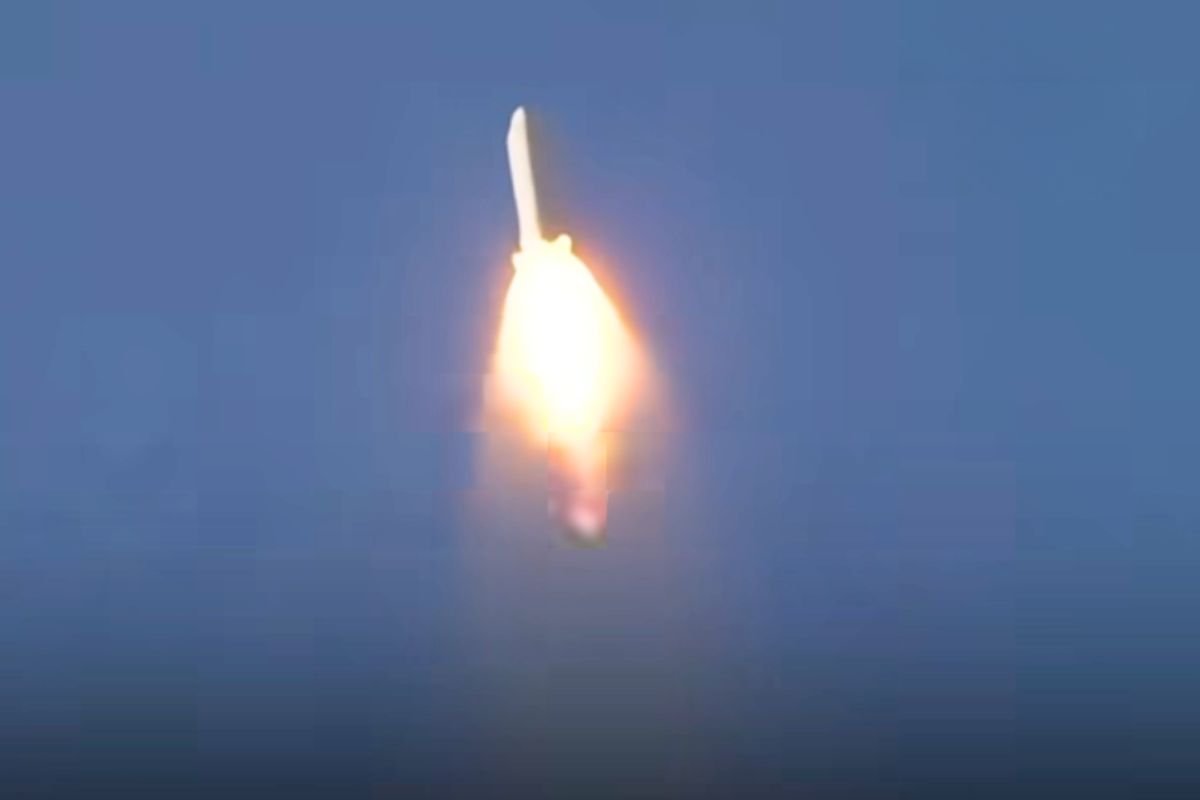
Iran has sent shockwaves through the geopolitical landscape by deploying its cutting-edge Sejil missile in the ongoing West Asia conflict, signaling a dramatic escalation in military capability and strategy.
Since the escalation of tensions in the Middle East, Iran’s military strategy has taken a decisive turn with the deployment of the Sejil missile—one of the country’s most advanced ballistic weapons. This move reflects not only Tehran’s growing confidence in its indigenous defense technology but also a strategic recalibration that could redefine regional security dynamics. The missile’s solid-fuel propulsion system and high maneuverability make it a game-changer in Iran’s arsenal, offering rapid launch capabilities and enhanced survivability against preemptive strikes.
Sejil missile’s technical mastery and strategic edge in ballistic warfare
The Sejil missile stands out as a revolutionary advancement in Iran’s ballistic missile program. Unlike earlier Shahab models that relied on liquid fuel, which demanded lengthy preparation times vulnerable to counterattacks, the Sejil utilizes a two-stage solid propellant system. This key innovation enables the missile to be stored ready-to-launch for prolonged periods and fired within minutes, greatly increasing its tactical value in a high-stakes conflict environment.
Weighing around 23,600 kilograms and extending roughly between 18 and 20 meters long, this medium-range ballistic missile can carry a warhead ranging from 500 to 1,000 kilograms across distances of up to 2,000 kilometers. Such specifications provide Iran with the ability to strike deep within enemy territory, far beyond immediate border areas. Publicly unveiled back in November 2008 and showcased during military exercises as recently as January 2021, the Sejil is a product of indigenous engineering expertise that underpins Tehran’s drive for self-sufficiency in military technology.
This solid-fuel design not only enables faster launch readiness but drastically reduces the missile’s vulnerability to airstrikes during fueling, a historical weak point in Iran’s defense posture. The advanced guidance and maneuverability of the Sejil, sometimes nicknamed the “dancing missile” for its unpredictable flight path, allow it to evade conventional missile defense systems including Israel’s Iron Dome, thus complicating interception efforts.
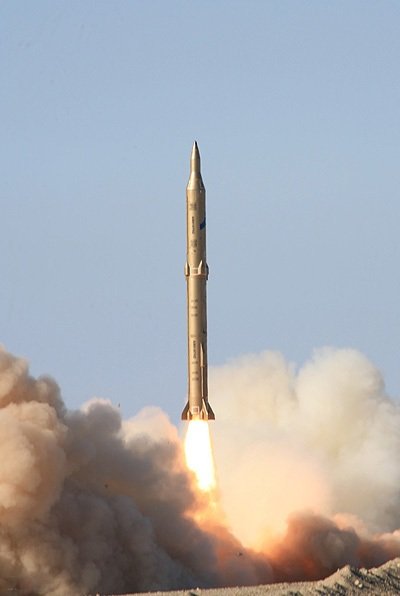
This file is from the Farsnews.ir website.
A closer look at the historical evolution and indigenous innovation behind Sejil
The Sejil missile system highlights a significant leap from the Shahab family of ballistic rockets, which were largely reverse-engineered from older Soviet designs. The transition from liquid to solid fuel marks a technological leap toward more efficient, reliable, and survivable missile systems that can be rapidly deployed in a fluid battlefield scenario.
According to the Center for Strategic and International Studies (CSIS), the missile’s core design is largely Iranian, symbolizing a milestone in self-reliance that has emerged amid international sanctions and arms embargoes. This technological independence reduces Tehran’s reliance on foreign suppliers and bolsters its military autonomy in an unpredictable geopolitical region.
The missile’s advanced propulsion system coupled with enhanced guidance has turned Iran’s missile forces into a credible deterrent capable of threatening adversaries beyond its immediate vicinity. Apart from its devastating strike capability, the Sejil plays a psychological role, demonstrating Tehran’s deterrence strength and complicating enemy defense planning.
Iran’s missile programs have often served dual purposes of strategic deterrence and regional power projection. With Sejil, Iran has successfully cemented a versatile weapon that fits both agendas, capable of rapid mobilization and precise targeting.
Pakistan’s and other regional players’ reaction to Sejil’s capabilities
Beyond the obvious regional security implications, neighboring countries and global powers are reassessing the threat environment shaped by Sejil’s deployment. Pakistan, a primary regional actor, has noted the missile’s extended range and quick launch time as factors that could shift existing balance calculations. Other states in West Asia are similarly evaluating defensive postures to mitigate emerging risks posed by Iran’s enhanced missile force.
In response to the rising threat, some nations have accelerated missile defense projects, forming stronger alliances and investing in early warning radar infrastructure. The ripple effects of Sejil’s deployment extend beyond immediate hostilities, influencing broader arms dynamics and military procurement trends across the Middle East.
Operational deployment and impact of Sejil missile during ongoing conflicts
Iran’s recent launch of the Sejil missile marked the 54th wave of attacks coordinated by the Islamic Revolutionary Guard Corps (IRGC) in the current conflict. This marked the first time the missile has been used in active combat since the war erupted on February 28, 2026. The launch followed a series of strikes involving drones and other missile types, such as the Khorramshahr with a warhead capacity reaching up to 2,000 kilograms.
The targets struck included American military command centers, strategic air management facilities, and Israeli troop concentrations, extending Iran’s operational reach even as international tensions soar. This showed an ability to orchestrate complex, long-range attacks which place substantial pressure on the defenses of several states in the region.
Following the missile strike, Israel reportedly retaliated with a series of aggressive airstrikes into western Iran, targeting multiple military installations. Casualties from missile strikes hitting northern Israeli towns reached 58, heightening fears of spiraling violence. Political leaders in Israel have reaffirmed their commitment to continuing military actions against perceived Iranian threats, signaling a grinding conflict with no immediate end in sight.
Summary of recent key missile launches and their targets
| Date | Missile Type | Warhead Capacity | Target Location | Impact |
|---|---|---|---|---|
| February 28, 2026 | Khorramshahr | up to 2,000 kg | Various US military bases | Severe structural damage |
| March 15, 2026 | Sejil (first combat use) | 500-1,000 kg | Israeli military command centers | Disrupted operations |
| March 17, 2026 | Qadr | Unknown | Strategic air facilities in UAE | Temporary communications blackout |
Challenges and geopolitical reverberations caused by the Sejil missile’s use
The deployment of the Sejil missile carries profound geopolitical implications for the Middle East and beyond. Its use has not only intensified the conflict between Iran and its adversaries but also complicated diplomatic efforts underway to de-escalate the crisis. The missile’s swift and accurate strikes alter the military calculus for both defensive and offensive strategies within the region.
Moreover, the ability of the Sejil to avoid interception by leading missile defense systems adds another layer of complexity for nations relying on these technologies for protection. This revelation forces a rethinking of defense investments and potentially accelerates the arms race in missile technology among regional powers and their global allies.
On the diplomatic front, Tehran’s bold utilization of the Sejil may heighten sanctions and international isolation, yet it also demonstrates Iran’s resolve to protect its strategic interests robustly. States supporting Israel and the US may react with increased military cooperation and intelligence sharing, intensifying proxy wars and contributing to further instability in the area.
Understanding the cascading effects of the Sejil’s combat debut is vital for policymakers monitoring shifts in military capabilities and regional security architectures in 2026 and beyond.
Key nations affected and their strategic responses
- Israel: Expanding missile defense systems and enhancing counterstrike capabilities.
- United States: Increasing surveillance and deploying additional assets to support allies.
- Gulf States: Investing in multi-layered defense and bolstering regional partnerships.
- Russia and China: Monitoring developments while balancing diplomatic relations with Iran.
Implications of Iran’s Sejil missile on future missile warfare and defense strategies
The Sejil missile’s emergence is poised to redefine ballistic missile warfare paradigms. Its integration signals a shift toward rapid-response missile arsenals powered by solid propellants capable of evading sophisticated defense grids. Militaries worldwide are compelled to reassess their surveillance and counterstrike methodologies to adapt to such advanced threats.
This weapon’s distinct advantage lies in its agility and readiness, forcing adversaries to innovate multilayered detection systems and invest heavily in next-generation interception technologies. The addition of the Sejil bolsters Iran’s deterrent posture by not just promising but demonstrating strike capabilities that can disrupt command and control infrastructures at a distance.
Future missile conflicts will likely emphasize flexibility, speed, and stealth, all hallmarks of the Sejil and its successors. Nations facing this evolving landscape must reconsider strategic doctrines emphasizing static defense in favor of dynamic, integrated missile engagement networks to maintain relevancy in a world where seconds matter.
By successfully fielding such an advanced missile, Iran positions itself among the few countries with the technological sophistication to challenge missile defense architectures effectively. This elevates Tehran’s standing on the global stage and reshapes power equations, compelling a comprehensive rethinking of Middle Eastern security policies intensifying the complexity of military diplomacy.
What makes the Sejil missile different from earlier Iranian missiles?
The Sejil missile uses solid fuel instead of liquid, enabling it to be launched within minutes without the long fueling process, increasing its rapid response capability and survivability against preemptive strikes.
How far can the Sejil missile reach?
With a range of up to 2,000 kilometers, the Sejil can target strategic sites deep within adversary territories around the Middle East.
Why is the Sejil called the ‘dancing missile’?
It earns this nickname because of its sophisticated maneuverability during flight, which allows it to evade missile defense systems, making interception extremely challenging.
What are the geopolitical impacts of Sejil’s deployment?
The missile’s combat use escalates regional tensions, potentially triggers arms races, complicates diplomatic efforts, and forces neighboring states to bolster defense systems.
Source: https://timesofindia.indiatimes.com/videos/international/iran-finally-unleashes-weapon-israel-us-feared-1-5-ton-sejjil-missile-makes-deadly-debut-watch/videoshow/129598126.cms
