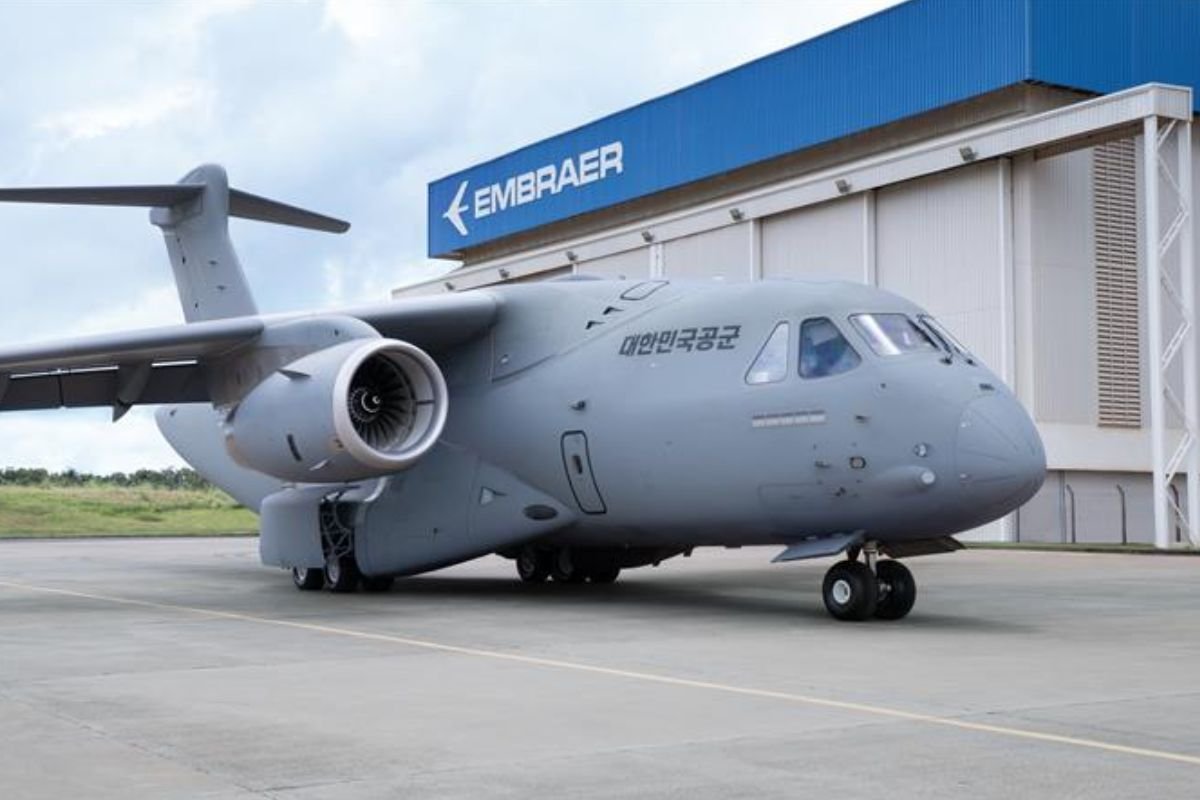
Embraer has marked a major milestone with the first successful flight of South Korea’s inaugural C-390 Millennium military transport plane, signaling a new chapter in Asia’s strategic airlift capabilities.
South Korea has officially entered a new era in tactical air mobility with the maiden flight of its first Embraer C-390 Millennium. This achievement comes as part of Seoul’s ambitious Large Transport Aircraft II (LTA-II) program, aimed at replacing aging military transports with state-of-the-art assets. The successful test flight, held in Embraer’s Brazilian facility, underlines a deeper partnership between Brazil’s aerospace giant and South Korea, positioning the C-390 as a formidable backbone for future military logistics across Asia.
What makes the C-390 Millennium a game changer for South Korea’s air force
The C-390 Millennium offers an exceptional combination of payload capacity, speed, and modern avionics. Designed to haul up to 26 tonnes over great distances, the aircraft redefines South Korea’s rapid response and logistical reach. Unlike older transport models, the C-390’s versatility allows not just cargo missions, but also paratrooper deployments, medical evacuations, and aerial refueling operations, a critical advantage for dynamic military scenarios.
A new standard in large-scale military airlift
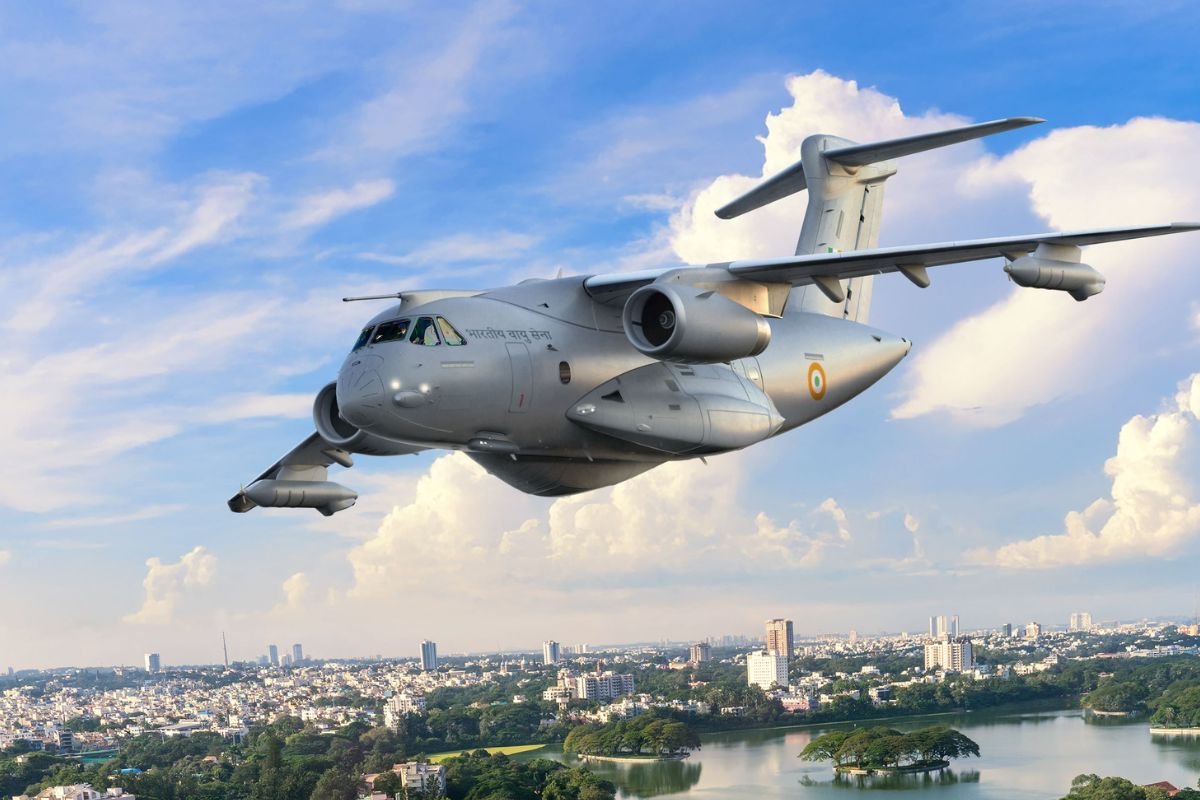
South Korea’s decision to adopt the C-390 sets a precedent in Asia, making it the first country on the continent to operate this advanced Brazilian aircraft. The LTA-II program is more than a simple procurement; it’s a strategic upgrade that will impact regional defense readiness. Embraer’s C-390 outshines competitors by delivering faster turnarounds, lower maintenance costs, and multi-mission capability right out of the box.
Behind the scenes: Embraer and South Korea’s growing aerospace collaboration
This maiden flight represents more than just a technical success — it symbolizes the deepening industrial ties between Brazil and South Korea. Embraer’s contract encapsulates tailored configurations, extensive training programs, and local supplier integration, ensuring South Korea’s aerospace sector benefits beyond the military sphere. This partnership also strengthens Seoul’s domestic defense industry by fostering high-tech cooperation in systems integration and aircraft maintenance.
Customized systems enhancing operational readiness
To fit South Korea’s specific mission needs, the C-390 fleet features bespoke avionics suites and communication systems seamlessly integrated with ROKAF’s existing infrastructure. These custom upgrades guarantee that pilots and ground crews gain optimized efficiency and situational awareness, crucial for mission success in complex theaters.
Timeline of milestones leading to the first flight
| Event | Date | Location | Significance |
|---|---|---|---|
| Contract Award for LTA-II program | Late 2023 | Seoul | South Korea selects Embraer’s C-390 to replace aging transports |
| Final Assembly Phase | Early 2026 | Gavião Peixoto, Brazil | Completion of aircraft assembly marking production maturity |
| Maiden Flight | 2026 (early) | Brazil | Successful first flight validating core systems and avionics |
| Planned Delivery | Late 2026 | Seoul | Expected arrival and operational induction into ROKAF |
How the C-390 fits into Asia’s evolving military transport landscape
South Korea’s acquisition breaks new ground in Asia, where military airlift fleets are undergoing rapid modernization. Neighbouring nations continue to upgrade their capabilities, but the C-390’s advanced features raise the bar substantially. The aircraft introduces a rare mix of high-capacity, speed, and flexibility, which will likely prompt regional competitors to reconsider their own large transport strategies.
Regional implications and strategic balance
The introduction of the C-390 positions South Korea not only as a regional leader in air mobility but also enhances its ability to engage in multinational operations. Improved logistics translate to better humanitarian assistance, quicker troop deployments, and a strategic deterrent — all critical factors amid the Asia-Pacific’s tense geopolitical environment.
Key technical attributes setting the C-390 apart
- Maximum payload: 26,000 kg allows transportation of heavy equipment and vehicles.
- Range: Approximately 4,700 km enables intercontinental missions without refueling.
- Speed: Cruising at over 800 km/h reduces transit times drastically.
- Multirole capability: Adaptable for cargo, troop transport, aerial refueling, and medical evacuation.
- Advanced avionics: Integrated systems provide superior navigation and mission management.
- Robust airframe: Designed for short and unprepared runways, expanding deployment possibilities.
Future outlook: What to expect from the C-390 in South Korea and beyond
Looking ahead, the successful debut of South Korea’s C-390 marks only the beginning. As more aircraft enter service, they will enhance the Republic of Korea Air Force’s operational flexibility and strategic reach. This platform is also a stepping stone for Embraer to deepen its footprint in Asia, with potential follow-up orders and collaborative projects envisioned.
Additionally, the C-390’s integration paves the way for possible future upgrades including cutting-edge sensor arrays and extended mission profiles, ensuring the fleet remains at the forefront of tactical air transport technology for decades to come.
What distinguishes the C-390 from other military transport aircraft?
The C-390 combines greater speed, a strong payload capacity of 26 tonnes, and advanced multi-mission flexibility, unlike many competitors that focus mainly on cargo capacity alone.
When is South Korea expected to fully receive and deploy the C-390?
The full delivery of the C-390 fleet to the Republic of Korea Air Force is planned by late 2026, with operational integration to follow shortly thereafter.
How does the C-390 enhance South Korea’s regional military capabilities?
By offering rapid airlift, various transport roles, and interoperability with allied forces, the C-390 strengthens South Korea’s strategic and tactical presence in Asia.
What role does Embraer’s partnership play in South Korean defense?
Embraer’s cooperation involves not only aircraft supply but also local industrial participation, knowledge transfer, and comprehensive training, enhancing South Korea’s aerospace industry.
Can the C-390 operate from rough or short runways?
Yes, the aircraft’s rugged design permits operations from unprepared or shorter airstrips, broadening its deployment options significantly.
Source: https://www.embraer.com/media-center/en/?mediatype=NEWS&detail=24151
