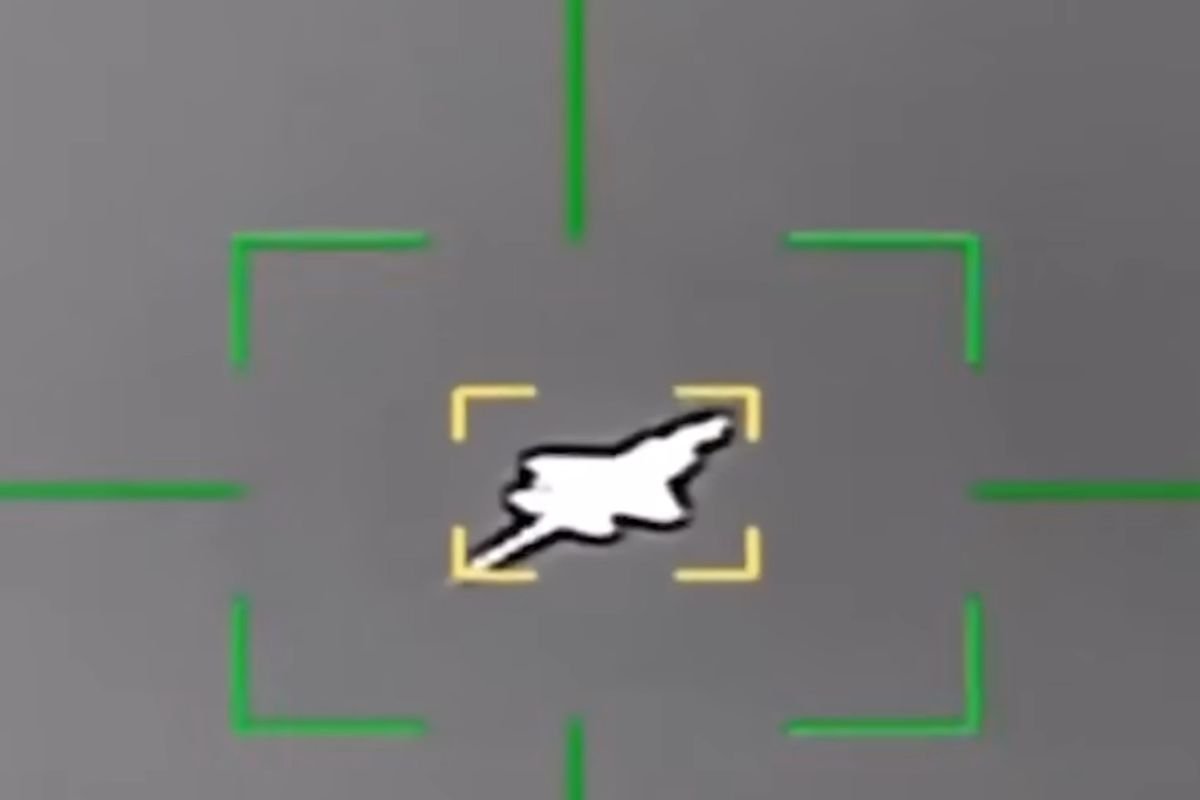
In a rare and bold move, Iran claims to have struck a U.S. F-35 fighter jet mid-mission, forcing an emergency landing and shaking the strategic dynamics in the volatile Middle East.
Tensions in the Middle East have taken a dramatic turn after a U.S. F-35 stealth fighter was hit during a combat operation near Iranian airspace. The event marks a significant moment in modern aerial warfare, with Tehran asserting an unprecedented victory over one of America’s most advanced military assets. While the pilot reportedly landed safely, the incident raises critical questions about the resilience of fifth-generation aircraft facing emerging threats.
Tehran’s claim of damaging the world’s premier stealth fighter
On March 19, 2026, a U.S. F-35 was engaged in a sensitive mission when it was reportedly hit by Iranian air defense. Iran’s Revolutionary Guard Corps quickly took credit, marking the event as a historic moment—claiming the first-ever strike against this sophisticated fighter jet.
The F-35, a cornerstone of the U.S. air power and flown by over 19 nations worldwide, is designed for stealth and survivability in hostile environments. That it suffered serious damage during an operation signifies an unsettling development that could alter aerial combat strategies in the region.
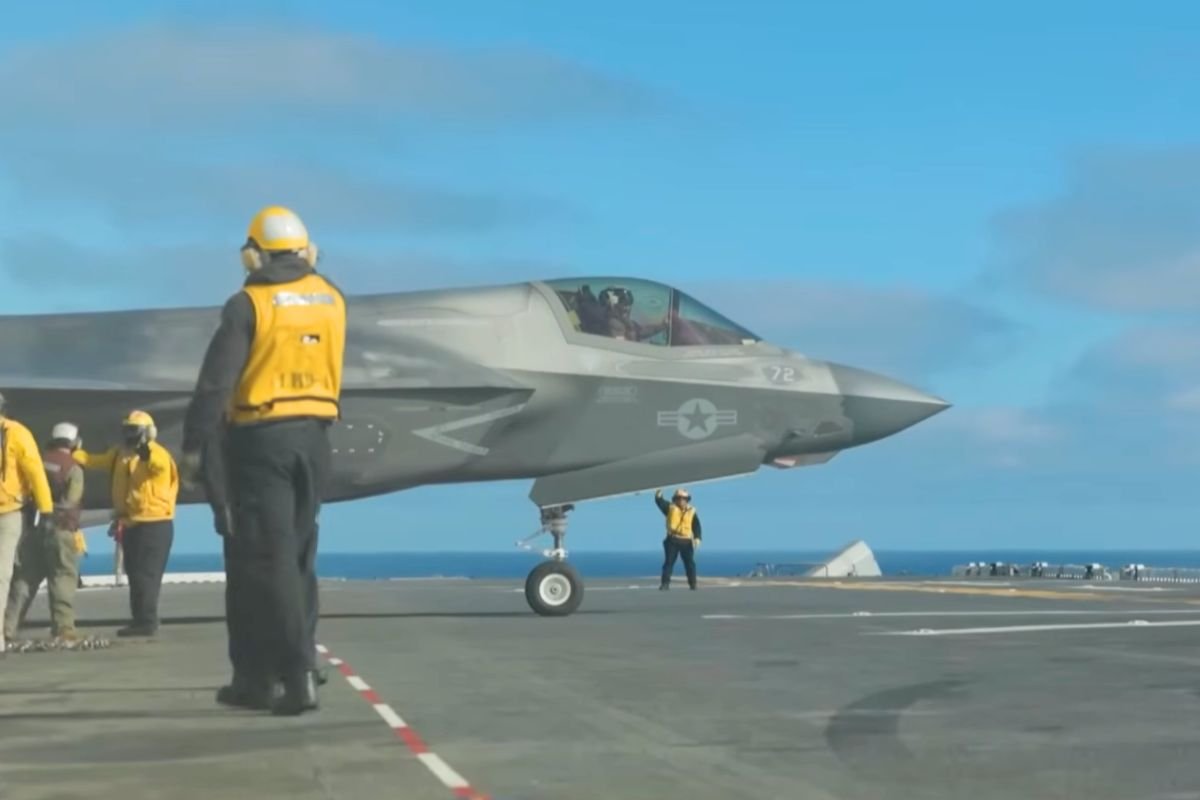
Damage assessment and emergency landing
Despite the damage, the pilot managed to execute a controlled emergency landing, returning safely to Allied territory. According to sources, the aircraft experienced critical damage but remained intact, preventing a total loss. This event highlights the pilot’s skill and the aircraft’s robust design under duress.
Only a single F-35 was involved, with no loss of life reported. The implications are profound—while the jet survived, the incident showcases vulnerabilities when confronted with advanced air defenses in this hotspot of global tension.
Understanding the pilot’s emergency maneuver
The pilot’s quick thinking and training allowed a safe landing despite the jet’s compromised systems. Military experts emphasize this incident underscores both the human factor and technological limits influencing modern aerial operations.
Why this strike could be a game changer in Middle Eastern air conflicts
Iran’s successful strike represents more than just a tactical victory—it challenges the perceived invulnerability of fifth-generation fighters like the F-35. The event could embolden Iran and its allies, potentially escalating regional tensions and complicating U.S. strategic calculations.
Observers note that the encounter may force a reassessment of how these advanced jets operate in contested airspaces heavily shielded by modern missile systems.
Breakdown of the incident timeline and key details
| Date | Event | Outcome |
|---|---|---|
| March 19, 2026 | U.S. F-35 on combat mission over Middle East | Struck by Iranian air defense missile |
| March 19, 2026 | Emergency landing performed by pilot | Aircraft damaged but pilot safe |
| March 20, 2026 | Claims by Iranian officials regarding the hit | First operational strike on F-35 acknowledged |
Context of escalating U.S.-Iran tensions
The incident arrives amid a surge of indirect encounters between U.S. and Iranian forces. Frequent missile exchanges and proxy conflicts have raised stakes as each side tests the other’s technological edge. The F-35 strike symbolizes a broader contest for air superiority and regional influence.
Military analysts warn this could lead to a new phase of aerial confrontations, where stealth technology faces increasing challenges from sophisticated missile defense tactics.
Possible ripple effects on global military aviation
The vulnerability exposed could inspire other nations to review their fleet’s readiness against evolving threats. It also pushes defense manufacturers to innovate with countermeasures tailored for high-risk zones like the Persian Gulf.
Key factors that made the F-35 strike possible
- Advanced Iranian air defense systems reportedly adapted to detect stealth features
- Strategic location in a contested airspace with dense radar coverage
- Operational risk of flying high-value assets in volatile regions
- Potential lapses or challenges in U.S. electronic warfare countermeasures
What this means for U.S. military operations and future deployments
The F-35 incident underscores the risks faced by U.S. forces conducting sensitive operations near Iranian-controlled airspace. It could prompt renewed focus on protective tactics, electronic jamming, and paired operations with support aircraft to mitigate threats.
Furthermore, it places increased pressure on U.S. defense strategy to safeguard high-value assets while maintaining strategic presence in the region.
Was the F-35 destroyed in the strike?
No, the F-35 suffered damage but managed to make an emergency landing safely, with the pilot unharmed.
How significant is this strike in terms of military aviation?
It’s the first announced operational hit on a fifth-generation F-35 jet, highlighting emerging vulnerabilities in stealth technology.
What does this mean for U.S.-Iran relations?
The incident adds tension to already fraught relations, potentially escalating military confrontations in the region.
Could other nations replicate such a strike?
With advancements in air defense technology, other countries might develop similar capabilities to challenge stealth aircraft.
How might the U.S. respond to prevent future incidents?
The U.S. might enhance electronic warfare, update countermeasures, and increase allied cooperation to protect its jets.
Source: https://www.cnn.com/2026/03/19/politics/f-35-damage-iran-war
