Oil markets are rocked by a bold Israeli strike on Iran’s massive South Pars gas field, sending crude prices soaring above €110 per barrel amid escalating Middle East tensions.
The ongoing conflict between Israel, Iran, and the United States has taken a sharp turn into a direct energy war following a pivotal airstrike on March 18. This targeted assault on the world’s largest natural gas field, shared by Iran and Qatar, triggered immediate and intense price volatility, reshaping global energy outlooks. As the situation rapidly unfolds, the repercussions ripple through international markets and political fronts alike.
The strategic strike that altered global energy markets
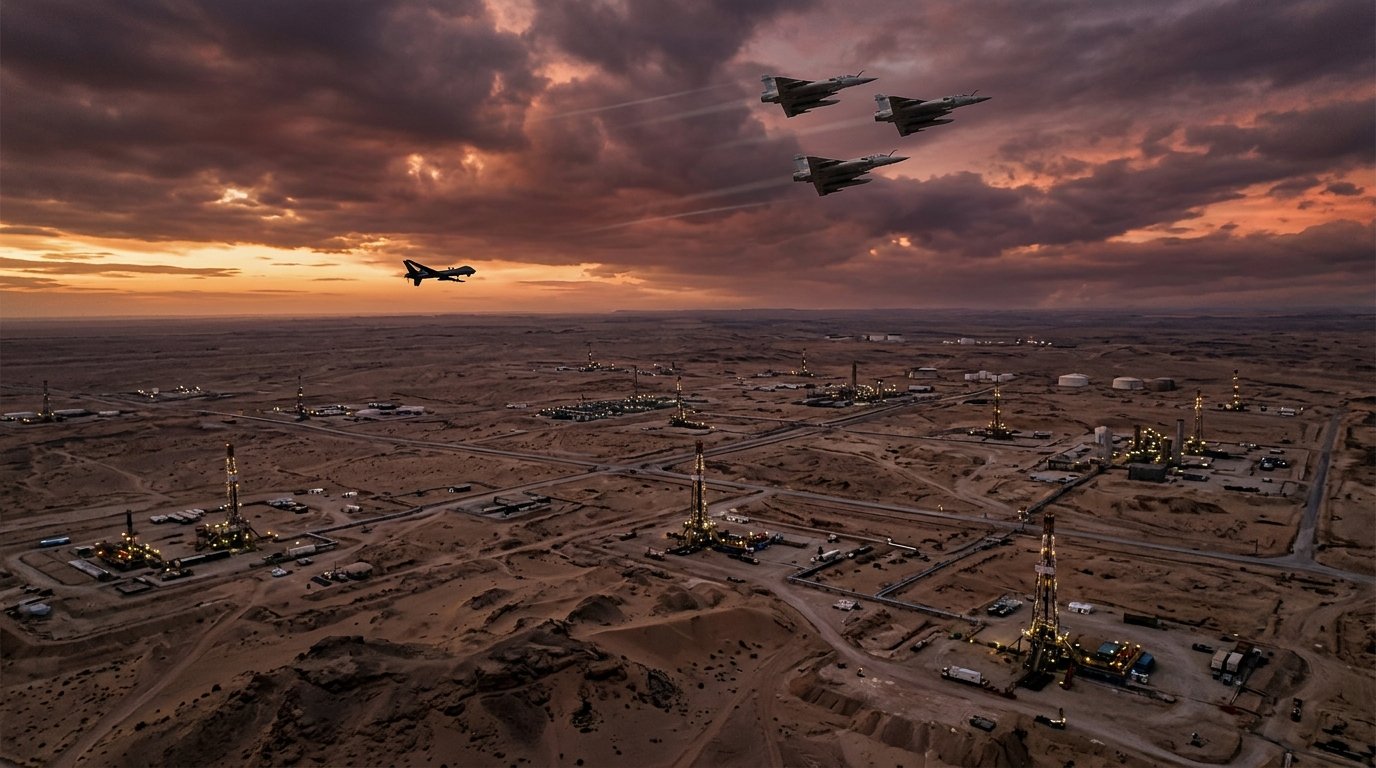
On March 18, 2026, Israel launched a precision attack on Iran’s South Pars gas field, marking a significant escalation in the simmering Middle East conflict. This field is an essential hub, supplying a substantial portion of the world’s natural gas, making it a critical target with far-reaching consequences.
The strike reportedly damaged around 12% of Iran’s gas production capacity, targeting pipelines, processing facilities, and refining units within the complex. This blow not only weakens Iran’s energy infrastructure but also heightens fears over supply disruptions, particularly for countries dependent on Middle Eastern gas.
Immediate market reactions and pricing shock
Following the strike, Brent crude oil prices jumped sharply, surging above €111 per barrel on March 19, while the US benchmark WTI neared €98.5 per barrel. These rapid gains reflect market anxiety over potential long-term supply shortages and escalating conflict-related risks.
Energy traders quickly absorbed the implications of curtailed production at South Pars, which effectively rattled the perception of regional stability. The ripple effect pushed many nations to reconsider their energy security strategies in light of newfound volatility.
Iran’s swift reprisal and regional fallout
The Iranian government responded within 24 hours with missile and drone attacks targeting key energy facilities across the Gulf, including Qatar’s Ras Laffan gas complex—an essential LNG export hub—and various sites in the United Arab Emirates and Saudi Arabia.
Qatar Energy reported serious damage at Ras Laffan, understandably escalating tensions between Gulf states. Saudi air defenses intercepted multiple missile strikes aimed at Riyadh, exposing the wider regional risk posed by the conflict’s spillover.
Geopolitical tensions stretch supply chains to breaking point
This cycle of attacks has underscored the vulnerability of energy production and transit routes in the Gulf, particularly around the Strait of Hormuz, a chokepoint for nearly 20% of the world’s oil shipments.
Market analysts warn that this sustained disruption could tip global energy supply into a precarious position. The disruption and uncertainty have fed a persistent risk premium into oil prices, signifying long-lasting volatility.
The ambiguous role of the United States amid escalating conflict
Amid these developments, conflicting narratives surround Washington’s involvement. While former President Donald Trump publicly denied any prior US knowledge or coordination of the Israeli strike, independent sources suggest otherwise.
Insider reports indicate that US authorities were involved in planning, providing tacit approval for the strike as part of broader strategic objectives to pressure Iran. This dual approach reflects Washington’s delicate balancing act—supporting Israel while averting overt military entanglement.
Potential for expanded US action
Adding to the tension, Trump has warned of possible American military strikes directly targeting South Pars, hinting at the potential for broader confrontation. This revelation introduces new uncertainty regarding US policy and military engagement in the region.
How ongoing attacks are reshaping the energy landscape
The mutual targeting of energy infrastructure by both Israel and Iran signals a shift toward weaponizing energy assets, a strategy with serious global implications beyond the immediate conflict zone.
This escalating energy warfare elevates concerns about a long-term global supply crunch, pushing countries to accelerate diversification of their energy imports and invest in alternative sources. Governments and corporations alike are reevaluating vulnerabilities in their energy supply chains and strategies.
Key dates marking the escalation of Gulf energy hostilities
| Date | Event | Impact |
|---|---|---|
| March 18, 2026 | Israeli airstrike on South Pars gas field | Damaged ~12% of Iran’s gas production, oil prices surge past €110 per barrel |
| March 19, 2026 | Iranian missile and drone attacks on Gulf energy infrastructure | Significant damage at Ras Laffan (Qatar), strikes on UAE and Saudi sites |
| March 19, 2026 | US denies prior knowledge, but sources suggest coordination | Heightened geopolitical uncertainty, market volatility spikes |
| March 20, 2026 | Warnings of further US military strikes on South Pars | Potential for expanded conflict and energy market shock |
Several immediate consequences from oil price surge
- Increased energy costs pushing inflation globally, affecting consumer prices.
- Encouragement to accelerate renewable energy investments as a buffer against volatility.
- Heightened supply chain concerns prompting strategic oil stockpiling by nations.
- Pressure on industries heavily reliant on petroleum prices, such as transportation and manufacturing.
- Renewed diplomatic efforts for conflict de-escalation to stabilize energy markets.
Amid rising tensions, experts analyze how the Israel-Iran conflict is driving oil market instability and what it means for global energy security.
Analysts detail the consequences of the South Pars strike on global gas supplies and crude prices, highlighting geopolitical risks in the Middle East.
Why did oil prices spike after the South Pars attack?
The strike damaged a significant portion of Iran’s gas production capacity, raising fears of supply shortages and escalating geopolitical risk, which pushed oil prices above €110 per barrel.
What role did the United States play in the Israeli strike?
While publicly denied by US officials, credible reports suggest the US coordinated and approved the Israeli attack as part of a strategic move against Iran.
How does the conflict affect global energy security?
The ongoing attacks on critical oil and gas infrastructure threaten supply stability, increasing the risk premium in energy markets and prompting countries to diversify sources and boost reserves.
Could the situation lead to a wider military conflict?
With threats of further attacks from Iran and potential US military involvement, there is a risk of broader escalation, which could intensify the energy crisis globally.
