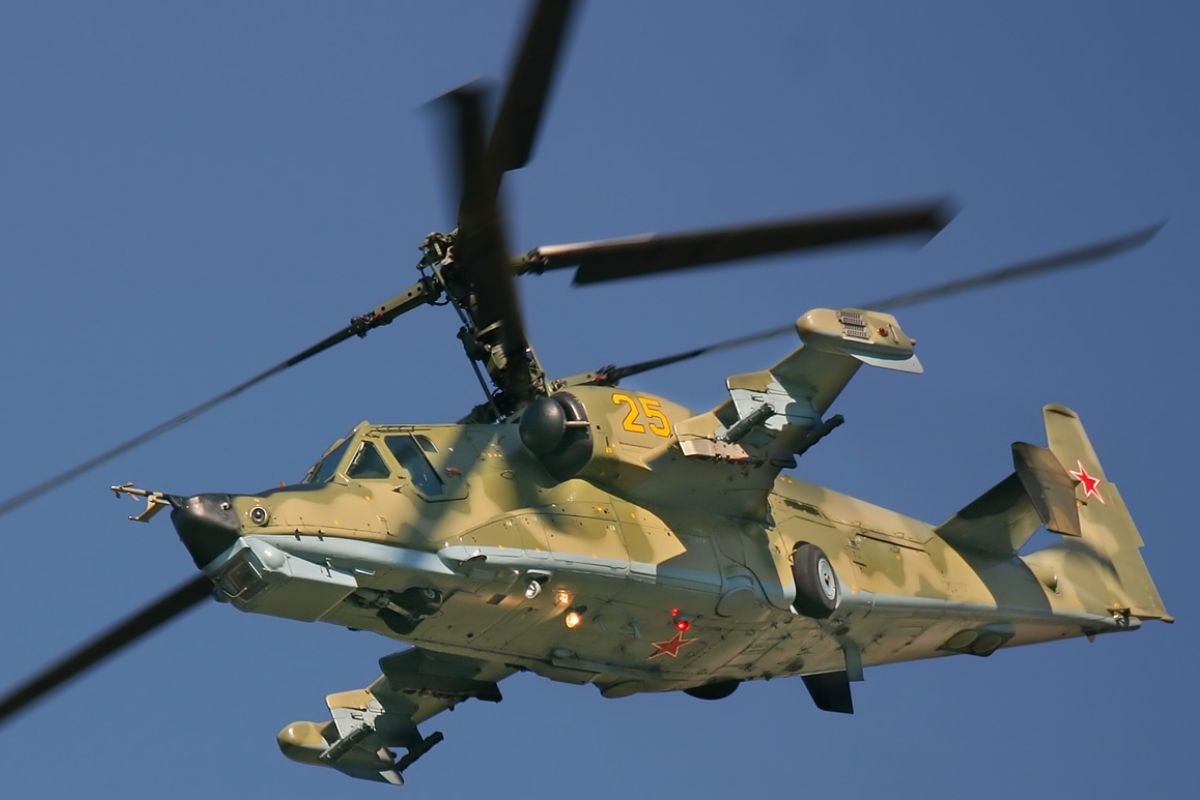
In a stunning display of modern warfare tactics, Ukrainian forces have successfully downed a Russian Ka-52 ‘Alligator’ helicopter using advanced FPV drone technology, signaling a new era in battlefield dynamics.
The conflict in Eastern Europe has witnessed a remarkable shift as Ukrainian Special Operations Forces operate cutting-edge drone systems to neutralize high-value Russian assets. One of the most emblematic moments emerged when the Balista unit took down a Russian Ka-52 attack helicopter over the Pokrovsk region. This incident not only illustrates the evolving nature of warfare but also highlights how relatively cost-effective drone technology is reshaping tactical combat scenarios.
How FPV drone technology redefines aerial combat against Ka-52 helicopters
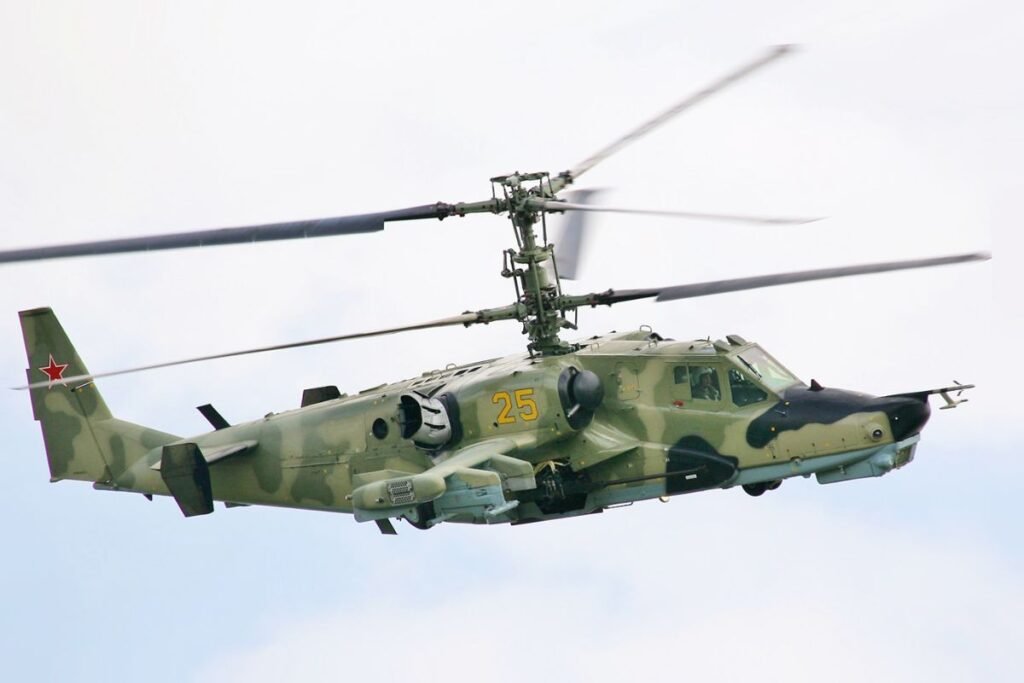
The use of FPV (first-person view) drones by Ukrainian forces, particularly the Bombus tactical strike UAV, has brought a seismic shift to the battlefield. These drones are equipped to ambush and strike agile targets like the Russian Ka-52 helicopter effectively. The Ka-52, often regarded as one of Russia’s premier attack helicopters valued at around €16 million, was struck successfully, contradicting traditional expectations of helicopter invulnerability.
Unlike conventional anti-air weaponry, FPV drones provide real-time pilot control through live video feeds, allowing operators to execute precise strikes while minimizing exposure. This operational advantage represents a critical development in modern electronic warfare and unmanned combat systems.
The tactical edge of using FPV drones for attacking aerial targets
FPV drones allow Ukrainian forces to utilize swarm tactics and surprise strikes, even against heavily armored and maneuverable helicopters like the Ka-52. The ability to control several drones simultaneously with excellent situational awareness transforms traditional defense mechanisms. Moreover, the relatively low production cost of drones compared to helicopters presents a game-changing cost-to-kill ratio — a concept that military strategists are closely analyzing.
Details of the Balista unit drone strike operation
The Special Operations Bombus Balista unit reported that their coordinated FPV drone strike successfully targeted the Ka-52 during its combat patrol over Ukrainian fields. The operation involved a series of rapid maneuvers and a surprise engagement, capturing both the strike and the helicopter’s destruction on video. This transparency not only boosts morale but underlines the combat effectiveness of drone warfare.
This event took place within the highly contested Pokrovsk sector, an area known for intense aerial and ground confrontations. The overall mission required skillful coordination, demonstrating how specialized drone units integrate with broader military strategies in Ukraine’s defense effort.
Impact on Russian aerial capabilities after losing a high-value Ka-52
The destruction of a Ka-52 helicopter represents a critical blow to the Russian air force’s offensive potential. Given the helicopter’s advanced avionics, defensive countermeasures, and high cost, its loss significantly affects aerial support roles and pilot morale. The unexpected vulnerability exposed by drone attacks raises questions about the future of manned helicopter missions in contested zones dominated by unmanned systems.
Why FPV drone attacks are a game-changer on the modern battlefield
FPV drones have become indispensable assets for the Ukrainian forces, thanks to their low cost, stealth capabilities, and precision targeting. These drones enhance intelligence-gathering and strike capacity while endangering fewer personnel. Their deployment signals a paradigm shift where relatively inexpensive unmanned platforms can neutralize costly military hardware like the Ka-52 with remarkable efficiency.
The psychological impact of such tactics also contributes to demoralizing opposing forces. Drone strikes in areas like Pokrovsk underscore the increasing importance of electronic countermeasures and drone defense strategies in modern conflict environments.
Comparison of costs and operational efficiency: Ka-52 helicopter versus FPV drone
| Parameter | Ka-52 Helicopter | FPV Drone (Bombus UAV) |
|---|---|---|
| Cost (€ million) | 16 | 0.02 |
| Operating crew | 2 pilots | Single operator |
| Range (km) | 460 | 10-20 |
| Payload | Anti-tank missiles, guns | Explosive charge (small) |
| Stealth and detection risk | High (visible & radar) | Low (small size, low radar signature) |
The evolving battlefield role of unmanned tactical drones in Ukraine’s defense
Since the escalation of the conflict, Ukraine has increasingly relied on unmanned aerial vehicles for reconnaissance and offensive roles. FPV drones exemplify this trend by providing rapid, precise, and cost-effective strike capabilities. Their versatility makes them ideal for ambushes, disrupting enemy patrols, and targeting high-value assets — all without risking pilot lives. This marks a clear evolution in the military doctrine of asymmetric warfare.
Special units like Bombus Balista harness these advantages to compensate for limitations in air superiority, turning the tide in contested regions like Pokrovsk.
Key benefits of FPV drones for Ukraine’s armed forces
- Cost-effectiveness: Dramatically cheaper than traditional helicopters and missiles.
- Precision strikes: Real-time video streaming allows pinpoint targeting.
- Reduced risk: No crew risk in hostile environments.
- Versatility: Suitable for reconnaissance and attack missions.
- Psychological impact: Disrupts enemy morale and tactics.
What is an FPV drone and how does it work?
An FPV (first-person view) drone is an unmanned aerial vehicle controlled by a pilot who sees through a live video feed from the drone’s camera, allowing precise and immersive control during maneuvers and strikes.
Why are FPV drones effective against helicopters like the Ka-52?
FPV drones are small, agile, and can approach targets stealthily. Their real-time control and ability to carry small explosive payloads make them capable of disrupting even heavily defended and maneuverable helicopters such as the Ka-52.
How does the cost of FPV drones compare to Russian attack helicopters?
While the Russian Ka-52 costs around €16 million, FPV drones like the Bombus UAV cost only thousands of euros, making them an exceptionally efficient weapon in asymmetric warfare.
What tactical advantages do FPV drones bring to Ukraine’s defense efforts?
FPV drones enable precision strikes with minimal risk to personnel, offer versatility for various missions, and create a psychological advantage by surprising and intimidating enemy forces.
Are FPV drone strikes expected to change future combat strategies?
Yes, the success of FPV drones in downing advanced helicopters signals a shift towards greater reliance on unmanned systems in combat, influencing future doctrine surrounding air defense and offensive tactics.
Source: https://united24media.com/latest-news/ukrainian-fpv-drone-downs-16m-russian-ka-52-helicopter-near-pokrovsk-video-17089
