
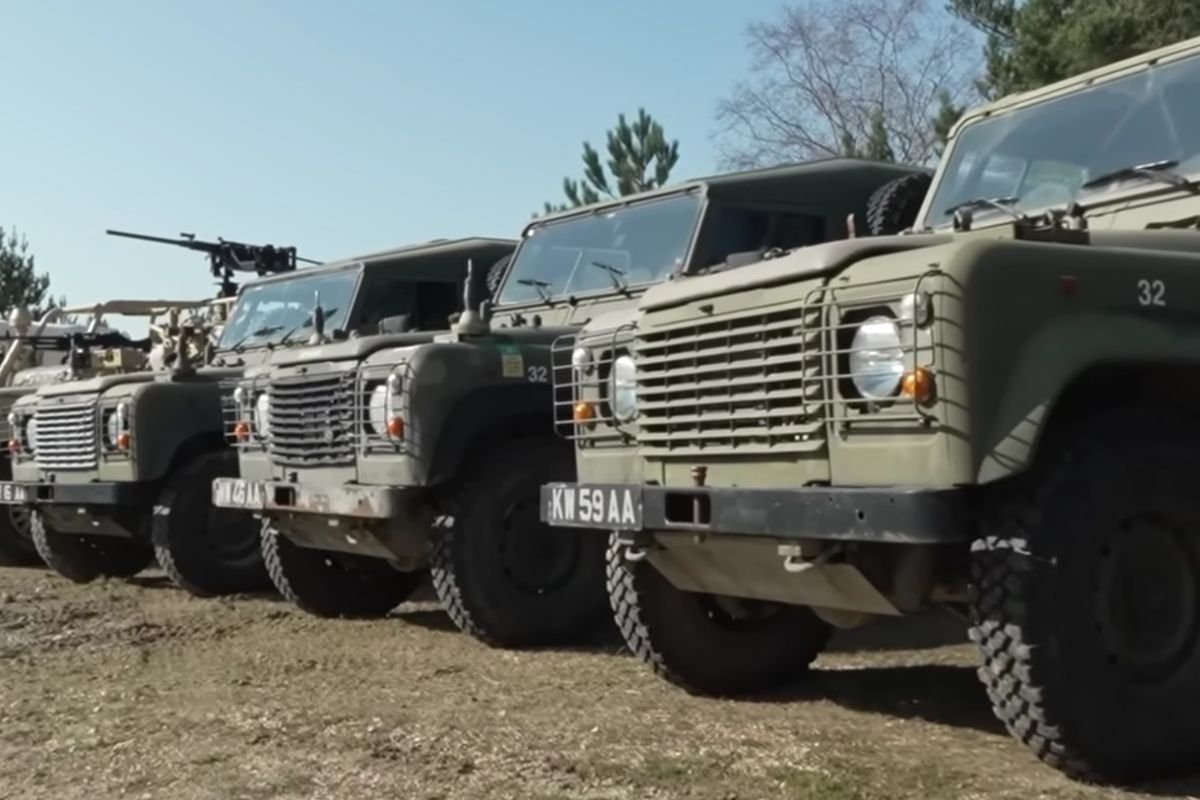
The British Army ends an iconic era as it retires its legendary Land Rover fleet, marking a pivotal shift in military mobility and modernization.
After decades of loyal service, the Land Rover vehicles that have become synonymous with the British Army are now being phased out. This move signals not only a farewell to a trusted machine but also the dawn of new technological advancements in military transportation. The transition reflects evolving defense strategies and the increasing demand for versatility and innovation on the battlefield.
land rover’s enduring legacy in british military history
The Land Rover has been a cornerstone of the British Army’s operational capabilities for over half a century. Known for its rugged durability and adaptability, this vehicle has been the workhorse in both peacetime missions and combat zones. The Land Rover’s ability to navigate challenging terrains made it an irreplaceable asset, embodying resilience and reliability in the face of adversity.
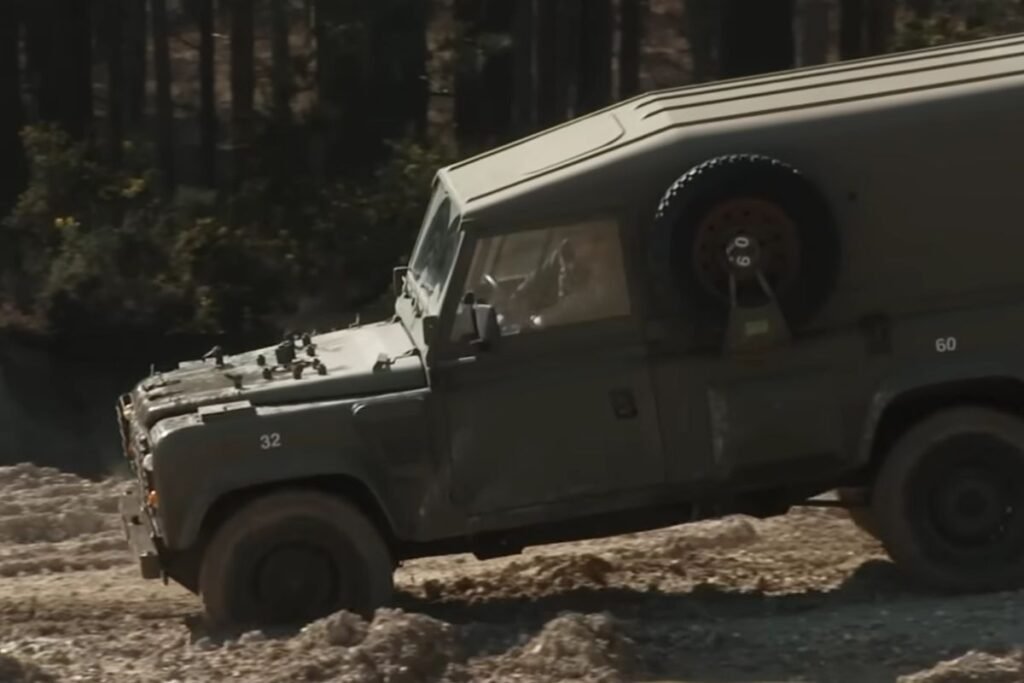
why the land rover became a military icon
Designed initially for agricultural use, the Land Rover’s robust build and off-road prowess quickly caught the attention of military planners. Its straightforward maintenance needs and capacity to be customized with various military equipment cemented its place in British defense. Over the decades, the Land Rover evolved but never lost its fundamental characteristics of toughness and flexibility.
the reasons behind retiring the legendary fleet
Several factors led to the British Army’s decision to retire the Land Rover fleet. Rising maintenance costs, technological obsolescence, and changing operational requirements made it necessary to explore newer, more advanced vehicles. Modern military operations demand not only mobility but also electronic integration, armor, and fuel efficiency—areas where the Land Rover began to fall short.
advancements in military vehicle technology
The shift towards high-tech solutions includes armored protection, hybrid engines, and digital networking capabilities. These features significantly enhance soldier safety, operational effectiveness, and environmental sustainability. As such, the British Army’s fleet modernization aims to deploy vehicles that meet these stringent requirements.
what replaces the land rover: a new era of military mobility
The British Army is introducing a new generation of vehicles designed to outperform their predecessors. These include lighter, faster, and more versatile platforms with integrated communication systems and advanced protective features. The transition enhances tactical flexibility, allowing soldiers to adapt quickly to diverse and unpredictable combat environments.
key features of the new vehicle fleet
- Armored protection: To safeguard personnel from modern battlefield threats
- Hybrid and electric propulsion: Reducing environmental impact and increasing operational range
- Advanced communication systems: Ensuring seamless connectivity and real-time data sharing
- Enhanced cargo and troop capacity: Supporting diverse mission requirements
- Improved off-road capability: Maintaining superiority in rugged terrains
impact of retiring the land rover on operational readiness
While the Land Rover’s retirement marks the end of an era, it opens the door for enhanced operational readiness. The new vehicles promise reduced downtime due to improved reliability and maintenance efficiency. Troops now benefit from better protection and technology, translating into increased mission success rates and lower casualty risks.
transition challenges and solutions
The transition isn’t without hurdles, including retraining personnel and adjusting logistics. To address these challenges, the British Army has implemented comprehensive training programs and streamlined supply chains to ensure a smooth handover without compromising operational capacity.
a closer look at the timeline for retirement and integration
| Year | Milestone | Details |
|---|---|---|
| 2024 | Start of phased Land Rover retirement | Initial withdrawal of older models begins |
| 2025 | Introduction of new vehicle prototypes | Testing and evaluation in diverse environments |
| 2026 | Full deployment of next-gen vehicles | Widespread operational use across units |
the cultural significance of the Land Rover in the british army
The Land Rover has transcended its practical use to become a symbol of British military heritage. Its rugged image has been immortalized in countless films, documentaries, and veteran stories, highlighting the strong emotional connection troops and civilians share with this vehicle. The farewell to the Land Rover fleet is not just logistical but deeply sentimental, marking the end of an identifiable chapter in military culture.
legacy continuing beyond the battlefield
Despite retirement from active military service, many Land Rovers will find new life in ceremonial roles, museums, and as collectors’ items. This ensures the vehicle’s legacy endures while the British Army confidently moves forward with modern technology.
Why is the British Army retiring the Land Rover fleet?
The fleet is being retired due to increasing maintenance costs, outdated technology, and the need for more advanced features like armored protection and hybrid engines.
What are the main improvements of the new military vehicles?
The new models offer better armored protection, hybrid propulsion, advanced communication systems, and superior off-road capability, enhancing safety and operational efficiency.
How will this transition affect British Army operations?
The shift will improve operational readiness by reducing vehicle downtime and increasing troop safety, though it requires retraining and logistical adjustments.
Will Land Rovers be completely phased out?
While retired from active service, many Land Rovers will remain in ceremonial use or preserved for historical purposes.
When will the new vehicles be fully deployed?
The British Army plans full deployment of the new vehicles by 2026, following thorough testing and phased integration.
Sources:
- https://www.bbc.com/news/articles/ckge29v8ddgo
- https://www.gov.uk/government/news/lights-out-for-the-landy-british-army-to-retire-iconic-land-rover-fleet
