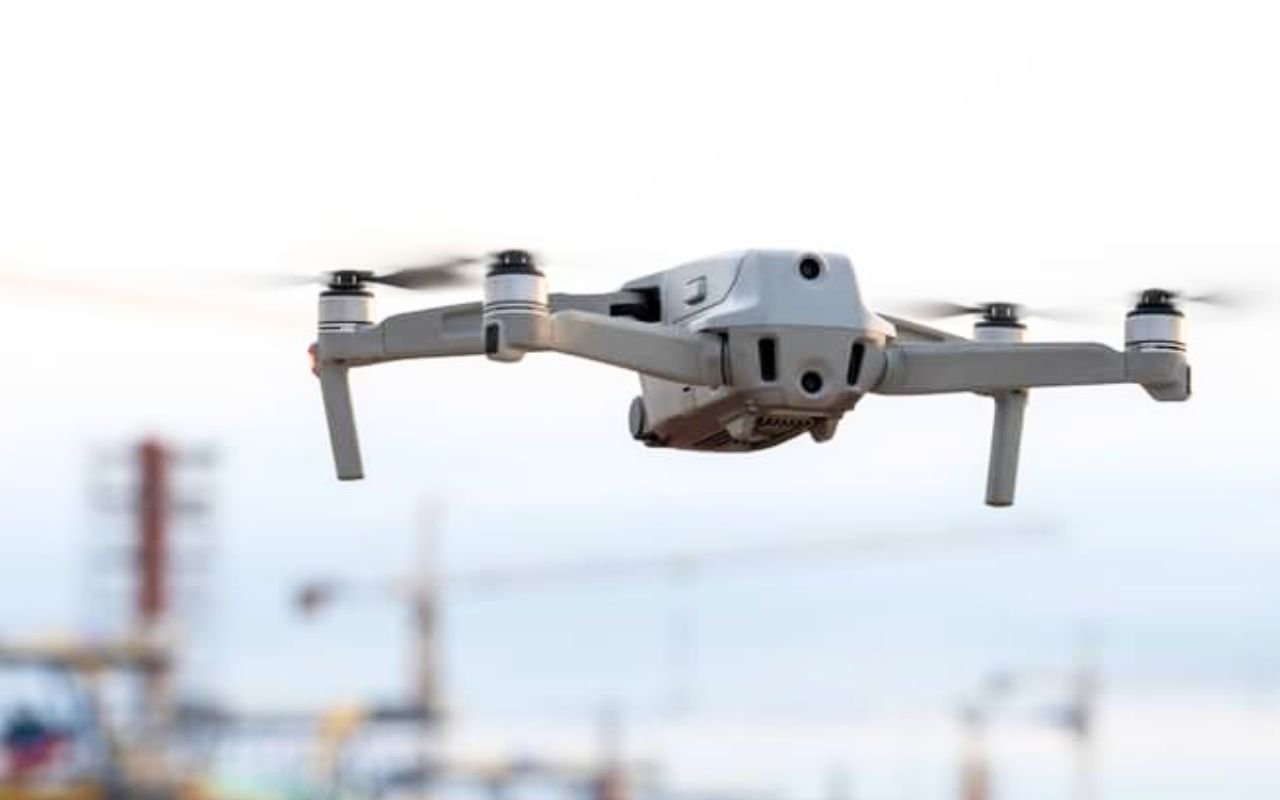
The United States is subtly reshaping its drone import policies, balancing national security concerns with industrial realities, as some foreign-made drones and components gain rare exemptions despite a sweeping ban.
In recent months, the American government has intensified restrictions on drone imports, continuing a stringent security policy championed by the Trump administration since its return to the White House. However, these bans are not absolute. Key exemptions have emerged, spotlighting the complex interplay between safeguarding national security and sustaining technological and industrial ecosystems dependent on global supply chains.
What prompted the U.S. to tighten drone import controls?
The move to tighten drone import restrictions stems from elevated concerns regarding the infiltration of foreign technologies, particularly from nations deemed strategic competitors such as China. The Federal Communications Commission (FCC) officially classified a broad range of foreign drones and their components as presenting an “unacceptable risk to national security.” This classification reflects fears over potential espionage, data exfiltration, and covert interference via embedded systems within these drones.
How does the policy affect the drone market in the U.S.?
While the ban is broad, it is not an absolute embargo. The FCC’s initial blanket restriction has been tempered by a series of targeted exemptions following thorough assessments. These reliefs recognize that completely severing imports would disrupt essential technology access, especially given the interwoven nature of global component supply chains. This nuanced approach attempts to protect American airspace sovereignty without stifling innovation and operational readiness in areas such as public safety, infrastructure inspection, and agriculture where drones play vital roles.
Which drones managed to bypass the import ban and why?
Central to the exemptions is a meticulous security evaluation led by the Pentagon. Four foreign-made drones have been explicitly approved, deemed not to jeopardize U.S. security interests. This exclusive list includes the SiFly Aviation Q12, Mobilicom SkyHopper Series, ScoutDI Scout 137, and Verge X1. These models are featured on the Pentagon’s “Blue UAS” program, which certifies drones that meet stringent reliability and safety criteria.
What does the Blue UAS list signify?
The Blue UAS program is more than a label; it’s a rigorous certification ensuring that drones have no critical vulnerabilities in data transmission or system integrity. Only devices that pass exhaustive checks gain entry, ensuring they cannot be used as vectors for espionage or unauthorized data collection. This vetting process enables the U.S. to permit imports selectively while maintaining tight control over which foreign technologies can enter American skies.
Why are some components still allowed despite import controls?
Beyond finished drones, key components sourced from global technology giants like Nvidia, Sony, Panasonic, and Samsung continue to flow into the U.S. market. These parts—ranging from semi-conductors to optical sensors—are indispensable for manufacturing advanced drones. A full import ban would disrupt manufacturing and innovation ecosystems, highlighting a crucial industrial dependency surprisingly resilient despite robust strategic competition.
How is component import managed to balance security and industrial needs?
The U.S. government has instituted thresholds to balance protection with pragmatism; a drone or component qualifies as acceptable if it contains between 60% to 65% domestic content. This rule ensures a substantial American manufacturing base while acknowledging the indispensability of foreign technology for some critical elements in drone assembly.
| Category | Details | Security status | Impact on industry |
|---|---|---|---|
| Finished drones | Broad import ban with select exemptions under Blue UAS | High vigilance, exemptions granted only to vetted models | Enables operational continuity for critical sectors |
| Critical components | Continued import from trusted manufacturers globally | Monitored thresholds on foreign content to prevent risks | Supports semiconductor and sensor industries vital to U.S. innovation |
| Domestic manufacturing | Production encouraged with minimum content rules | High incentives, security oversight | Fosters growth of national drone industry |
What are the practical implications of these import policies?
The strategic recalibration has a broad impact across sectors relying on drone technology. The implementation of a detailed and dynamic risk assessment framework safeguards airspace and critical infrastructure while allowing for necessary international cooperation and supply. Stakeholders in agriculture, disaster relief, environmental monitoring, and infrastructure maintenance continue to benefit from drone technologies enabled by these exemptions.
How are drone operators reacting to this new landscape?
Many operators welcome the clarity added by the exemptions but remain cautious. They emphasize the importance of ongoing cooperation between government agencies and industry players to ensure that security concerns do not unduly hamper innovation or operational effectiveness.
What does this mean for the future of U.S. drone sovereignty?
The selective easing of import restrictions signals a strategic attempt to assert sovereignty over American airspace while maintaining technological competitiveness. This balance is delicate: protecting sensitive technology from foreign access without closing off essential innovation inputs. The evolving drone import policy mirrors the broader U.S. approach to technology security in a complex global environment where strict bans alone are impractical.
Key takeaways on drone import policies for 2026
- National security remains the top priority driving import restrictions on foreign-made drones.
- Exemptions exist for certain drones certified under strict programs like the Blue UAS.
- Critical components from international suppliers are still essential and permitted under controlled thresholds.
- Domestic content requirements help stimulate local manufacturing without cutting off key technological inputs.
- Drone operators and industries benefit from a security-conscious yet adaptive import policy.
Why did the U.S. ban most foreign-made drones?
To mitigate risks of espionage, data collection, and interference through foreign technologies embedded in drones, the U.S. restricted imports considered to pose security threats.
What criteria allow some drones to bypass the import ban?
Drones listed on the Pentagon’s Blue UAS program have passed rigorous security assessments ensuring they don’t compromise national security, qualifying them for exemptions.
Are critical drone components still imported?
Yes, key elements such as semiconductors and sensors continue to be imported under strict content thresholds to maintain the U.S. drone industry’s functionality.
How does the U.S. balance security with industrial needs?
By allowing imports if products feature 60% to 65% American components, the U.S. safeguards national security while supporting vital industrial ecosystems.
What sectors benefit from these drone import exemptions?
Industries like agriculture, disaster management, environmental monitoring, and infrastructure inspection continue to rely on exempted drone technologies.
