
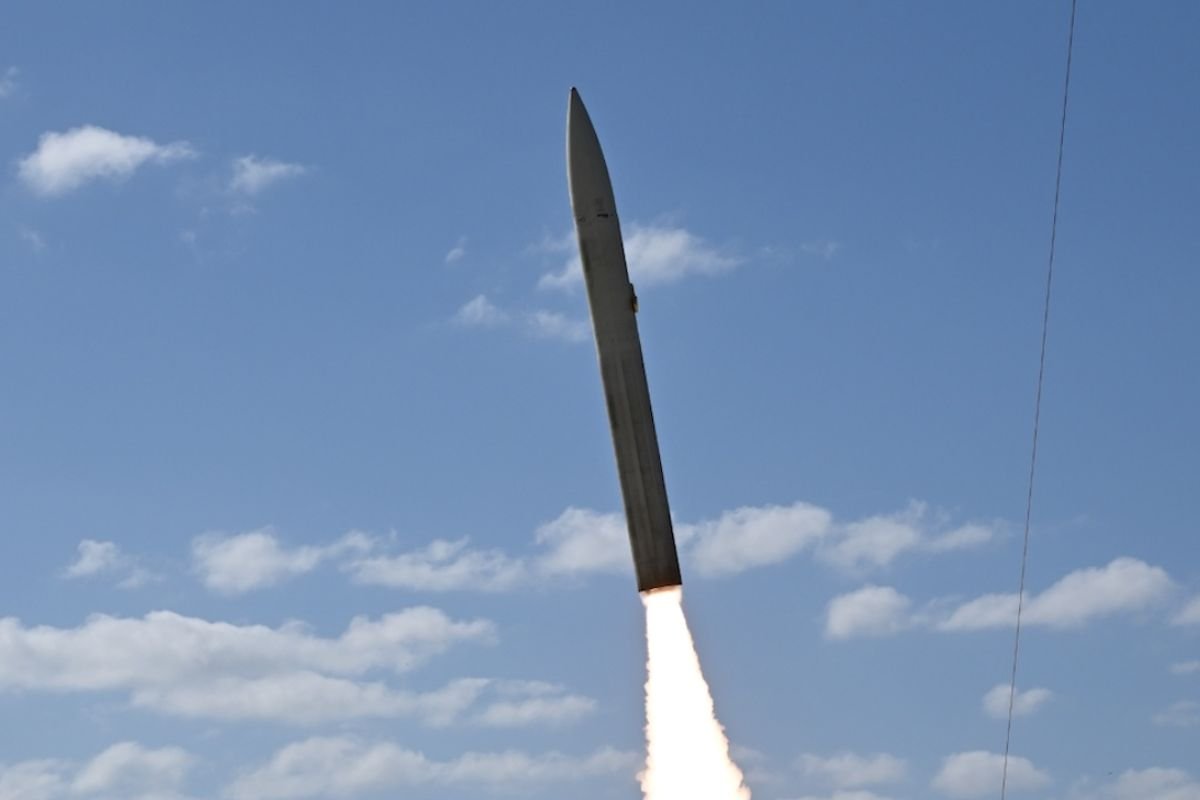
The United States marks a historic milestone by deploying its first operational ground-launched hypersonic missile, Dark Eagle, redefining rapid strike capabilities with unprecedented range and maneuverability.
After years of development, testing, and overcoming technical hurdles, the U.S. Army has moved closer than ever to fielding its pioneering hypersonic missile system called Dark Eagle. This weapon aims to reassert American military dominance amid intensifying competition with China and Russia. With an impressive range and cutting-edge maneuverability, Dark Eagle promises to transform strategic strike operations, challenging existing missile defense systems like never before.
What makes the Dark Eagle hypersonic missile a revolution in long-range strike technology
The foundation of the Dark Eagle program lies in its advanced hypersonic glide vehicle. The missile launches atop a conventional rocket booster, releasing a glide vehicle that can travel at speeds exceeding Mach 5. This vehicle adjusts its flight path dynamically, making its trajectory unpredictable and difficult to intercept.
Its estimated range of around 3,500 kilometers allows coverage of vast operational theaters without requiring forward deployment of troops or assets. This capability is crucial for striking key military targets or command centers with pinpoint accuracy across great distances.
Unlike traditional ballistic missiles, which follow a fixed arc, the hypersonic glide vehicle’s lower and variable path significantly shortens reaction times for adversaries, effectively overwhelming current missile defense networks.
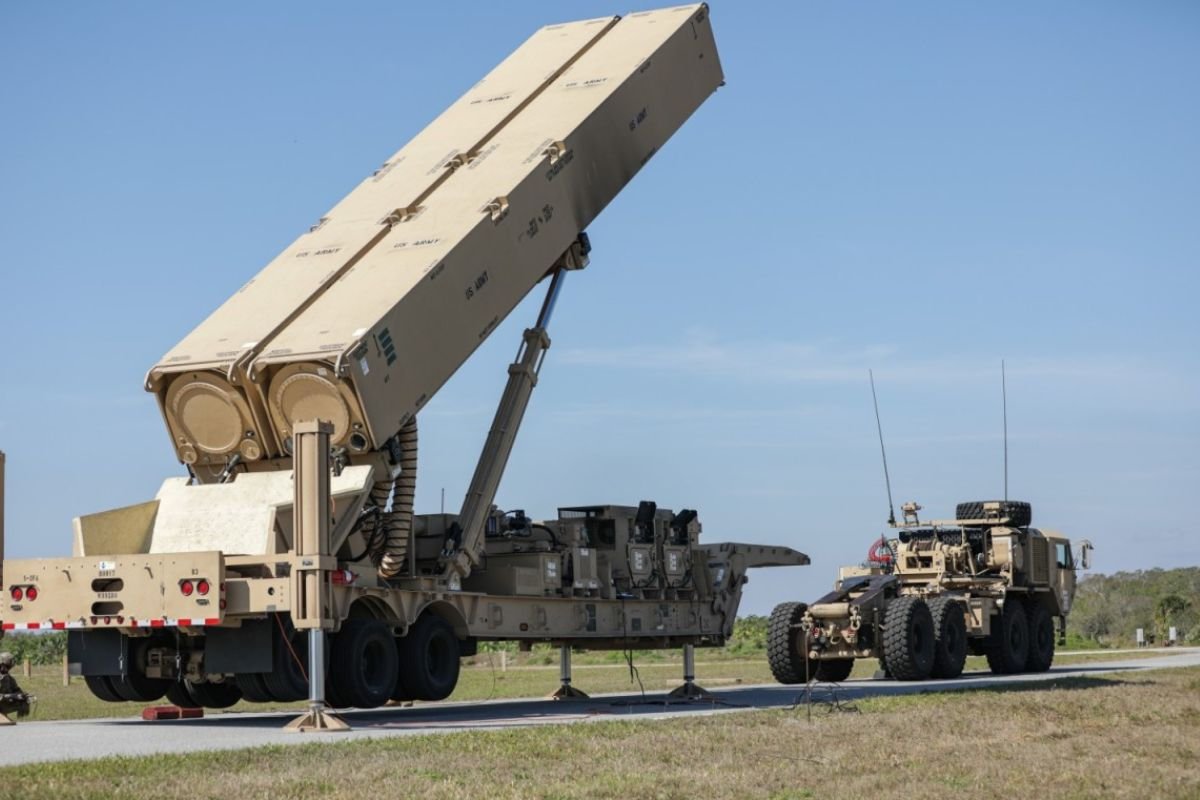
Technical edge over conventional missile systems
Dark Eagle’s ability to maneuver at hypersonic speeds grants it a critical advantage: evading sophisticated enemy interception mechanisms designed for ballistic missile trajectories. This strategic edge enhances mission success rates for precision strikes.
Its deployment extends the U.S. Army’s reach and rapid response capacity, especially important in contested environments where access is denied through anti-access/area-denial (A2/AD) measures.
Operational benefits that make Dark Eagle a vital asset in modern warfare
The missile’s remarkable speed and unpredictable flight path directly contribute to its survivability against current antimissile defenses. This capability, combined with high-precision guidance, enables engagements of high-value targets while minimizing collateral damage.
Dark Eagle also bolsters the U.S. conventional deterrence posture. By offering rapid, credible strike options without relying on nuclear arms, it reshapes power balances and strengthens strategic messaging in geopolitically sensitive regions.
Moreover, the system’s ground-based launch platform facilitates quick positioning across different theaters, increasing tactical flexibility and readiness without dependence on air or naval assets.
How Dark Eagle enhances U.S. military flexibility
The ground-launched nature lets commanders swiftly deploy the battery where needed, enabling rapid responses to emerging threats. In scenarios requiring denial of enemy capabilities, its precision strike potential proves indispensable.
The developmental roadblocks and ongoing challenges facing the Dark Eagle program
Despite its promise, Dark Eagle’s journey has been punctuated by test delays and hardware failures, highlighting the difficulties inherent in mastering hypersonic technology. Challenges including thermal management, flight stability, and striking accuracy remain focal points for continued refinement.
Moreover, the high unit cost and complexity present hurdles to mass production and widespread deployment, potentially limiting the number of operational batteries in the immediate future.
Integrating hypersonic strike weapons into existing military doctrines calls for reshaping command structures and strike strategies to optimize their unique operational characteristics and ensure coordinated responses.
Addressing production and doctrinal integration
- Improving manufacturing efficiency to reduce costs
- Enhancing system reliability through iterative testing
- Developing tactical doctrines adapted to hypersonic strike capabilities
- Training personnel on new command and control processes
- Coordinating with allied forces on deployment strategies
Dark Eagle’s implications for the future of modern combat and global security
The emergence of Dark Eagle signifies a transformation in how wars will be fought, with speed dictating outcomes and compressing decision windows. This evolving dynamic places immense pressure on both offensive planners and defenders to innovate rapidly.
As the U.S. races to regain technological leadership, hypersonic missiles like Dark Eagle are becoming central to deterrence and strategic dominance, influencing global power equations particularly in contested zones such as the Indo-Pacific region.
Shaping new military engagement doctrines
The integration of such high-speed, highly maneuverable weapons forces a rethink of traditional deterrence and strike doctrines. Dark Eagle could herald the standard for future armaments, combining rapid response, precise targeting, and evasion capabilities that redefine operational planning.
Key milestones for Dark Eagle deployment in 2026
| Date | Event | Significance |
|---|---|---|
| December 2025 | Start of field deployment activities | Initial operational testing and crew training commence |
| Mid 2026 | Completion of first full battery deployment | Dark Eagle becomes the U.S. Army’s first operational hypersonic missile system |
| Late 2026 | Integration into active combat doctrine | Enhanced strategic strike capability tested in joint exercises |
Understanding the transformative nature of hypersonic weapons like Dark Eagle
The hypersonic missile revolution epitomizes how technology compresses engagements, demanding faster decision-making and adaptation. Dark Eagle’s deployment highlights a shift toward weapons emphasizing speed, precise impact, and survivability in increasingly challenging battle spaces.
It also underscores the importance of continually evolving defense systems to counter emerging threats, ensuring that strategic deterrence remains credible amidst rapidly advancing technologies.
What distinguishes the Dark Eagle missile from traditional ballistic missiles?
Dark Eagle combines hypersonic speeds with a maneuverable glide vehicle, altering its flight path to avoid detection and interception, unlike predictable ballistic trajectories.
What is the operational range of the Dark Eagle missile?
Dark Eagle possesses an approximate range of 3,500 kilometers, enabling it to strike targets over vast distances without forward positioning of forces.
Why are hypersonic missiles like Dark Eagle important for U.S. military strategy?
They provide rapid, precise, and survivable strike options that enhance deterrence and enable operations in contested environments, reshaping conventional and strategic balances.
What challenges have delayed the Dark Eagle program?
Technical difficulties during testing, such as managing extreme temperatures and perfecting flight stability, along with high production costs, have slowed deployment timelines.
How does the Dark Eagle missile affect global security dynamics?
By enhancing the U.S. strike capabilities with hypersonic weapons, it influences global power balances, especially in tense regions, encouraging shifts in military doctrines worldwide.
Source: https://www.congress.gov/crs-product/IF11991
