Tensions mount as US intelligence disputes Donald Trump’s claims about Iran’s nuclear program, raising critical questions over the true state of Tehran’s ambitions and the implications for global security.
In the intensely scrutinized arena of US-Iran relations, a significant discrepancy has surfaced between political rhetoric and intelligence assessments regarding Iran’s nuclear activities. The stark contrast between former President Donald Trump’s alarming claims and the cautious evaluations by top US intelligence officials is not only challenging the narrative but also shaking up diplomatic and strategic discussions worldwide.
US intelligence officials dispute claims of revived Iranian nuclear enrichment
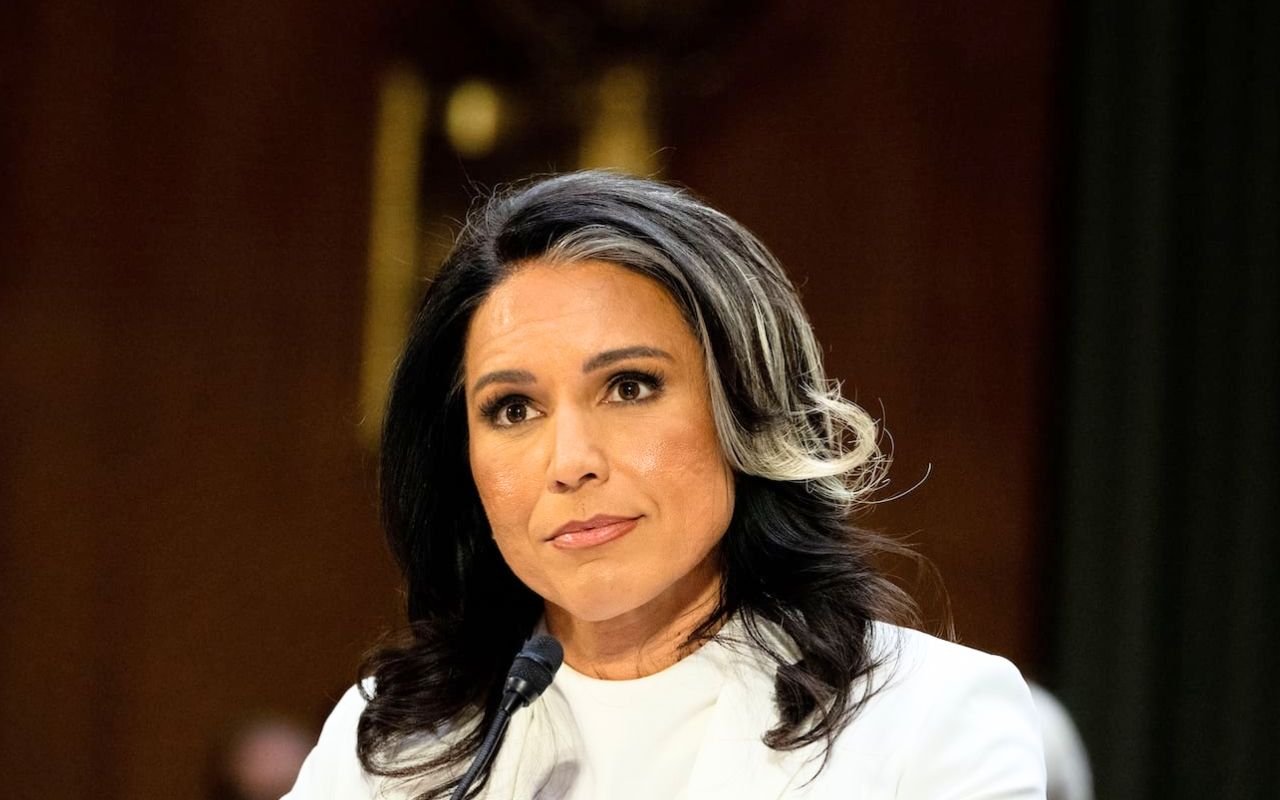
Contrary to assertions by Donald Trump about Iran accelerating its nuclear program, the current US Director of National Intelligence, Tulsi Gabbard, has publicly stated that there is no evidence of Iran resuming nuclear enrichment efforts. According to multiple intelligence agencies, their consolidated analysis indicates that Tehran has not made any significant advancements in this regard. This direct contradiction weakens the alarmist rhetoric previously used to justify aggressive policies and military postures towards Iran.
How intelligence agencies monitor nuclear activities
US intelligence relies on a network of surveillance tools, satellite imagery, and reports from international bodies such as the International Atomic Energy Agency (IAEA) to keep constant watch over Iran’s nuclear facilities. Indicators such as uranium stock levels, operational status of centrifuges, and shipment records are carefully analyzed. According to experts, these systems have not detected any notable increases or revivals in Iran’s enrichment processes. Thus, despite geopolitical tensions, the factual data suggest a steady state rather than an escalation.
The political narrative versus intelligence reality
Donald Trump’s rhetoric, emphasizing an “imminent” nuclear threat from Iran, has long fueled fears and informed US policy decisions. Yet, recent testimonies and intelligence updates reveal a more nuanced picture. The divergence between the alarmist political statements and the cautious intelligence assessments has sparked criticism from both domestic and international observers about the potential misuse of information to justify military or economic actions.
This gap raises vital questions about information accuracy and transparency in the decision-making processes that shape one of the world’s most sensitive diplomatic tensions. The continued conflict between political messaging and intelligence data introduces uncertainty and has implications for trust in US foreign policy.
The strategic economic stakes behind the Iran narrative
The debate over Iran’s nuclear ambitions is not confined to security concerns alone. It feeds directly into larger economic interests, notably global energy markets. Iran’s role as a major oil producer means that any perceived escalation or threat can cause market volatility and influence prices worldwide.
US sanctions and diplomatic moves, often justified by nuclear proliferation fears, impact not just Tehran but also the global economy. This dual dimension of strategy makes the accuracy of intelligence and public statements even more critical.
Key points illustrating the divergence between US intelligence and political claims
- Intelligence reports: No current evidence of resumed nuclear enrichment in Iran.
- Political rhetoric: Claims of imminent nuclear threat prompting US military and diplomatic actions.
- Monitoring mechanisms: IAEA and US agencies continuously track nuclear activity with no significant alarms.
- Economic impact: Iranian tensions influence oil markets and global energy security policies.
- International implications: Discrepancies affect US credibility & alliances in managing Iran relations.
Timeline of recent assessments and public statements surrounding Iran’s nuclear program
| Date | Event | Source | Claim/Assessment |
|---|---|---|---|
| March 18, 2026 | Tulsi Gabbard statement on Iran nuclear activity | US Director of National Intelligence | No observed resumption of uranium enrichment |
| Early 2026 | Donald Trump asserts imminent nuclear threat from Iran | Political speech and media statements | Iran resuming nuclear weapon development |
| Throughout 2025 | IAEA reports continued monitoring | International Atomic Energy Agency | Consistent surveillance with no significant escalations |
Effects on US diplomacy and international trust
The mismatch between intelligence assessments and political claims presents challenges to US diplomatic efforts. Allies in Europe and Asia often rely on US intelligence as a baseline for their own Iran policies. Conflicting narratives sow doubt and complicate coordination, potentially weakening collective strategies aimed at non-proliferation and regional stability.
This dynamic also risks eroding US credibility on the global stage, where consistent, fact-based messaging is crucial for maintaining leadership and trust.
How strategic communication shapes international policy toward Iran
Clarity and coherence in intelligence sharing versus public statements are essential in shaping international responses. Conflicting claims can lead to policy paralysis or premature escalations that disrupt peace efforts and economic stability. Maintaining an open dialogue guided by verified intelligence is vital in navigating the complex geopolitical landscape surrounding Iran’s nuclear profile.
Why does US intelligence dispute Donald Trump’s Iran claims?
US intelligence agencies have analyzed extensive surveillance data and found no evidence indicating a recent resurgence in Iran’s nuclear enrichment activities, contradicting Trump’s narrative of an imminent threat.
How does this intelligence discrepancy affect US foreign policy?
The conflicting narratives create challenges in maintaining international trust and coherent strategic alliances, complicating diplomatic efforts and shaping global perceptions of US decision-making.
What role does the IAEA play in monitoring Iran’s nuclear program?
The IAEA conducts continuous inspections and reports on Iran’s nuclear facilities, serving as an independent body that verifies whether Tehran complies with international agreements.
How do tensions over Iran impact global markets?
Perceived threats or escalations involving Iran influence global energy markets by affecting oil supply expectations, leading to price volatility and economic uncertainty.
What is the importance of accurate intelligence in global security?
Reliable intelligence ensures informed policy decisions, prevents unnecessary conflict, and helps maintain international stability by providing factual bases for actions and negotiations.
