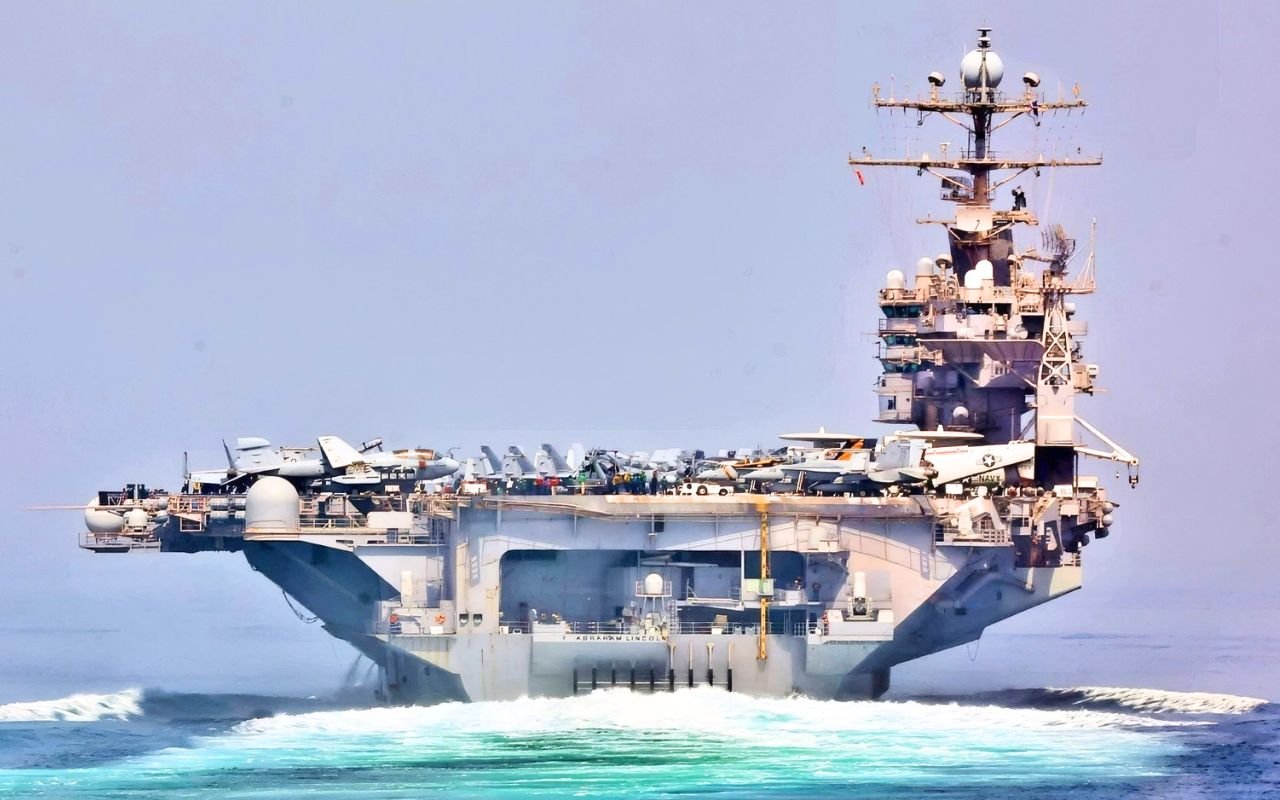
Despite the heightened military tensions resulting from Operation Epic Fury, Iran’s oil shipments continue to flow relentlessly towards China via covert maritime routes.
The ongoing conflict and targeted strikes have created a tense atmosphere across the Strait of Hormuz, a critical chokepoint for global energy transport. However, satellite data and expert analyses reveal that Iran’s oil trade with China remains remarkably resilient. The shadow fleet tactic, alternative export terminals, and a hidden network of tankers operating ‘dark’ contribute to this unbroken supply chain, keeping crude oil moving despite repeated attacks and sanctions. This delicate dance between confrontation and commerce showcases the complex interplay of geopolitics, economics, and maritime strategy in 2026.
The shadow fleet’s stealth and significance in Iran-China oil trade
Since the launch of Operation Epic Fury in late February, one would expect Iran’s critical oil exports to grind to a halt under relentless military pressure. However, satellite images and commercial tracking firms have documented a persistent movement of oil tankers navigating through the Strait of Hormuz, predominantly bound for the People’s Republic of China (PRC). This collection of vessels—often described as the ‘shadow fleet’—operates with deliberate opacity, frequently switching off Automated Identification System (AIS) transponders to evade detection. The shadow fleet’s stealthy operations evade conventional monitoring methods, complicating efforts to enforce sanctions and disrupt the trade. Iran’s shadow fleet has become a lifeline for the regime, compensating for its embattled primary export routes like Kharg Island. Instead, tankers increasingly rely on the Jask oil terminal in the Gulf of Oman. This shift is strategic: Jask lies outside the Strait’s more dangerous waters, reducing exposure to attacks. For example, recent satellite observations confirmed the loading of around 2 million barrels of crude at Jask, which was an unusually high volume compared to the prior five years. Market experts affirm that this shadow fleet is not just a collection of aging ships but an integrated network synchronized to maintain a steady crude flow. According to Tanker Trackers and Kpler analysts, despite threats and occasional incidents impacting ten vessels, the shadow fleet’s operations have supplied close to 12 million barrels of crude through the strait since the strikes began in late February 2026. Such volumes suggest a robust economic shield shielding Iran from a full-blown blockade or supply cutoff by adversaries. Beijing’s role as the primary destination for these shipments presents a geopolitical buffer that discourages Iran from completely blocking the strait, as doing so would destabilize its own vital oil sales to its largest buyer. This pragmatic interaction reflects a nuanced balance between Tehran’s tactical retaliations and its economic dependencies.
Strategic alternative export points redefine Iran’s maritime oil logistics
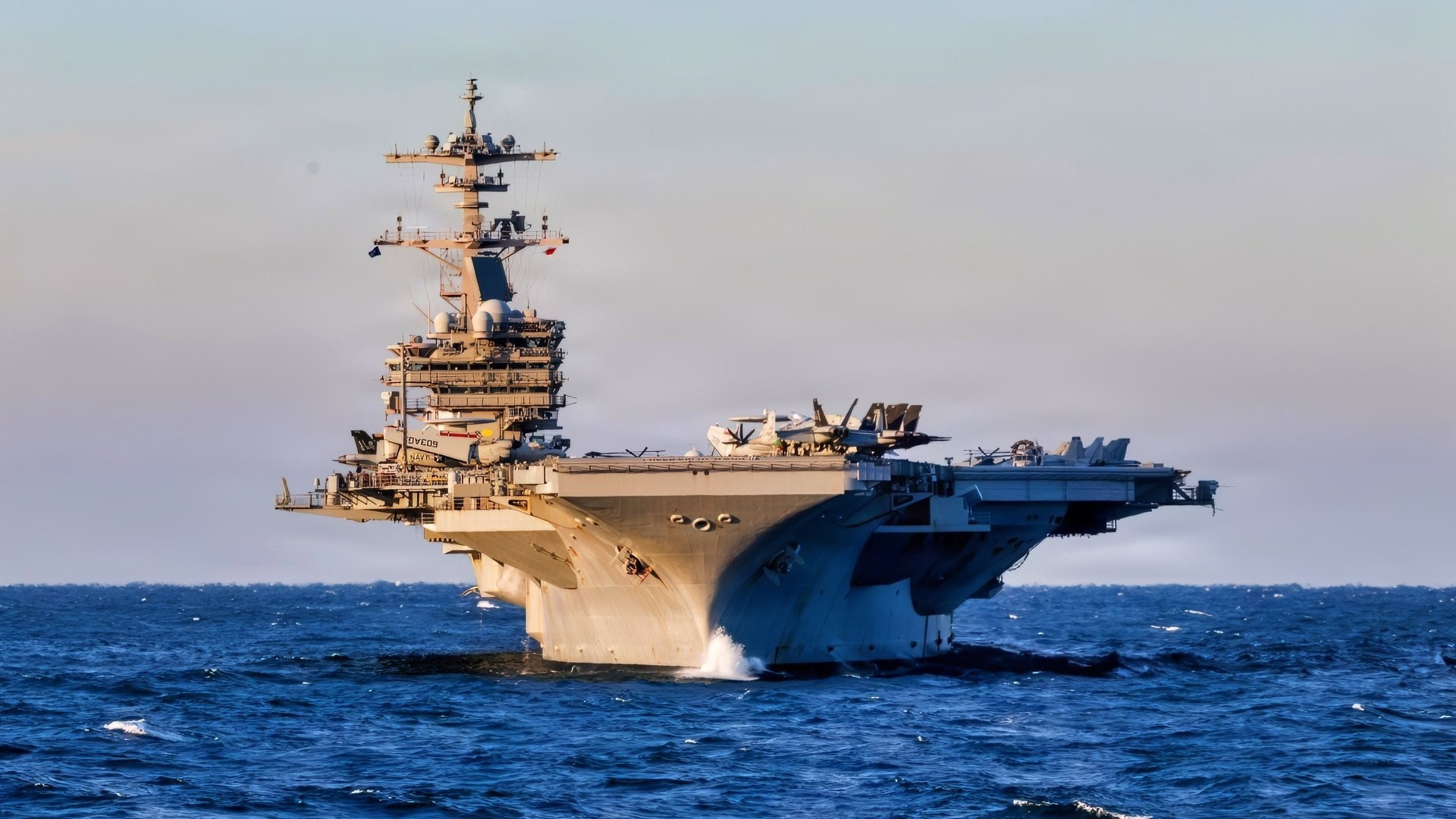
The disruption caused by Operation Epic Fury has forced Iran to rethink and diversify its oil export infrastructure beyond traditional hubs. Kharg Island, historically handling about 90% of the nation’s crude exports, has faced heightened risks from air strikes and maritime threats. Iran’s pivot towards the Jask oil terminal represents a critical shift to secure its energy lifeline in 2026. Jask sits along the Gulf of Oman, just south of the Strait of Hormuz, providing an alternative route that bypasses some of the conflict’s hotspots. This move is a tactical adaptation to military adversity, showing Iran’s willingness to invest in infrastructure resilience despite international pressures. The terminal’s sporadic use in prior years has turned into a crucial node for maintaining export volumes. Experts like Dalga Khatinoglu emphasize that Iran’s economy heavily relies on the Strait of Hormuz for not only oil exports but also 70% of its non-oil trade. This dependency shapes Tehran’s cautious approach: while it threatens blockage, it avoids long-term disruption that would cripple national interests. The subtleties here lie in Iran’s selective targeting strategy, where commercial vessels, particularly those bound for China, often evade attacks—an implicit concession rooted in economic pragmatism. This dual strategy retaining pressure on adversaries while safeguarding crucial exports—has allowed at least a dozen tankers to successfully transit with minimal loss, balancing military and economic objectives amid tensions.
How China leverages its economic shield amid sanctions and maritime risks
China’s role as the unwavering buyer of Iranian oil is more than commercial; it’s central to Tehran’s survival tactics amidst Operation Epic Fury. Despite rigorous US sanctions targeting Iran’s petroleum sector and shadow fleet, China’s continued purchases have insulated the crude export chain from complete collapse. The economic interdependence between Tehran and Beijing dilutes the effectiveness of sanctions that aim to choke Iran’s oil revenues. Analysts explain that the use of covert ship-to-ship transfers, ‘dark’ shipping tactics, and innovative payment corridors linked with the BRICS alliance help evade traditional monitoring systems and financial blockades. For instance, the opacity surrounding final destinations creates confusion and plausible deniability, allowing Iran to keep exports flowing even when official tracking indicates embargoed routes. In addition, Beijing’s strategic priority applied by its National Energy Administration remains maintaining stable oil supplies at tolerable risks rather than provoking direct escalation, reflecting careful geopolitical calculations by President Xi Jinping’s administration. On the ground, US sanctions have targeted entities, vessels, and individuals tied to the shadow fleet, including Chinese refiners accused of purchasing sanctioned oil. These measures highlight the ongoing battle between enforcement efforts and the adaptive strategies at play within Iran-China oil diplomacy. This tangled web of economic and strategic interests underscores how China’s massive appetite for crude oil fuels a shadow trade network powered by tactical patience and intricate logistics.
Risks and realities of maritime navigation through the Strait of Hormuz during conflict
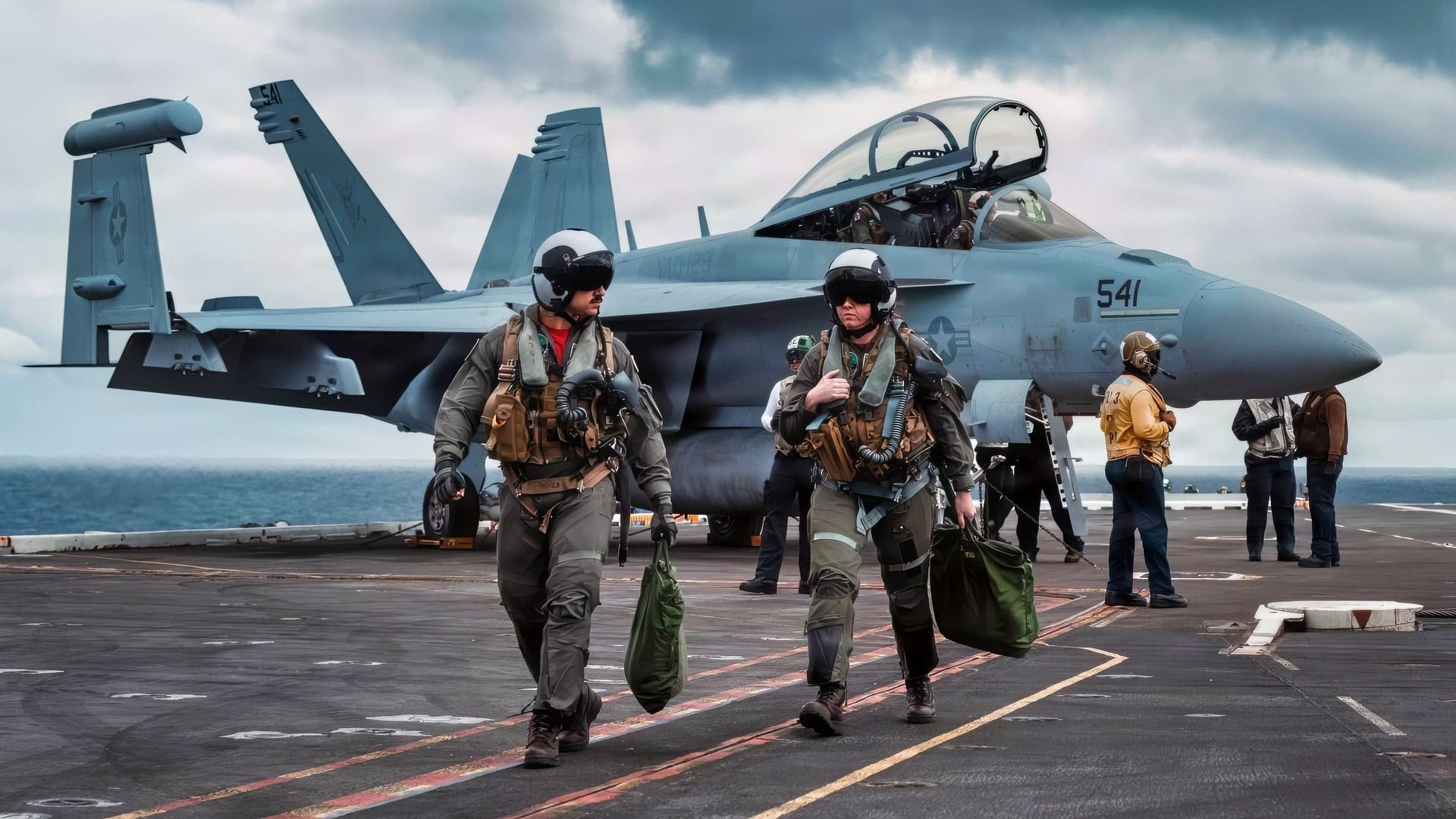
The Strait of Hormuz remains one of the world’s most volatile maritime passages in 2026. Despite its criticality—handling nearly 20% of global oil and gas supplies—ongoing hostilities have severely impacted shipping behavior, raising the stakes for all involved. Since the onset of strikes, ten vessels have suffered attacks in or near the strait, resulting in at least seven crew fatalities. This grim toll has forced many commercial tankers to steer clear or seek alternative routes, underscoring the hazardous nature of passage. Iranian authorities bluntly warn foreign vessels to exercise caution, amplifying tensions. Nevertheless, Iran’s selective targeting of non-Chinese bound cargo demonstrates an implicit de facto immunity granted to Chinese shipments. This calculated leniency stems from China’s vital role as the primary buyer and economic partner, which Tehran appears keen to protect. This delicate navigation between conflict and commerce epitomizes the risks countries face in attempting to secure energy supplies while avoiding escalation. Sound maritime strategy is essential, incorporating satellite surveillance, intelligence sharing, and risk mitigation measures to safely traverse this strategic corridor.
Key logistical elements supporting Iran’s shadowful oil exports to China
Maintaining such a stealthy and successful shadow fleet operation requires more than just lucky breaks. The robustness of this oil trade relies on a carefully orchestrated chain of logistical components, ensuring crude flows despite geopolitical and military headwinds.
Here is a breakdown of crucial factors fueling sustained exports amid Operation Epic Fury:
- Advanced satellite monitoring: Global commercial entities utilize satellite imagery extensively to track ‘dark’ ships, allowing analysts to estimate volumes and routes despite frequent AIS shutdowns.
- Alternative loading terminals: Facilities like Jask provide flexible export points outside main conflict zones, increasing resilience against targeted attacks.
- Ship-to-ship transfers: Conducted in international waters, these transfers obscure original cargo origin, complicating enforcement of embargoes.
- Selective targeting protocols: Iranian forces avoid hitting vessels bound for China, maintaining economic relations while exerting pressure on adversaries.
- Payment systems linked to BRICS: Non-Western financial pathways enable smoother transactions circumventing US dollar-based sanctions.
- Maintenance of older vessels: Despite some aging tankers, persistent upkeep allows the shadow fleet to function effectively.
| Element | Role in export chain | Impact in 2026 context |
|---|---|---|
| Jask oil terminal | Alternative crude loading site | Boosted capacity and safety by avoiding high-risk regions |
| Satellite surveillance | Tracking ‘dark’ fleet activities | Circumvents tracking transponder blackouts |
| BRICS payment rails | Sanctions avoidance in finance | Supports uninterrupted monetary flows |
| Ship-to-ship transfers | Conceals cargo origins | Complicates embargo enforcement |
| Selective attack policy | Preserves strategic ties with China | Reduces risk of full blockade |
This video provides a detailed analysis of the shadow fleet’s ongoing operations and their role in sustaining Iran’s oil exports during Operation Epic Fury.
Explore the recent maritime attacks around the Strait of Hormuz and how they are shaping global oil transit risks.
What is the ‘shadow fleet’ in the context of Iranian oil exports?
The ‘shadow fleet’ refers to oil tankers that operate covertly, often switching off their tracking systems to evade detection and continue the flow of Iranian oil despite sanctions and military threats.
Why does Iran continue to export oil to China during Operation Epic Fury?
China remains Iran’s largest buyer and economic ally, offering a vital lifeline through its purchases. Iran strategically protects shipments destined for China amidst broader hostilities to maintain this essential revenue flow.
How does the Jask terminal support Iran’s oil export strategy?
The Jask terminal on the Gulf of Oman functions as a critical alternative export point, bypassing riskier zones like Kharg Island, thereby ensuring oil shipments continue amid heightened military threats.
What risks do tankers face when transiting the Strait of Hormuz?
Tankers face attacks, navigational hazards, and political risks. Several vessels have been targeted and damaged in recent months, obliging cautious navigation and alternative strategies to maintain shipments.
How do sanctions impact Iran’s oil trade and how is it circumvented?
US and allied sanctions target Iran’s petroleum exports, but Iran circumvents these using covert shipping tactics, shadow fleets, ship-to-ship transfers, and alternative payment rails linked to emerging economic blocs like BRICS.
