Spain’s dramatic diplomatic break with Israel deepens as Madrid officially ends the appointment of its ambassador.
In a decisive move that sends ripples across international relations, Spain has formally terminated the mission of its ambassador to Israel. This action follows months of mounting tensions triggered by the ongoing conflict in Gaza and diverging stances on Iran. With the arrival of 2026, the diplomatic ties between Madrid and Tel Aviv have reached one of their lowest points in decades. The Spanish government’s choice to recall and then permanently withdraw its envoy reflects not merely an isolated political decision but a fundamental realignment in the bilateral relationship, laden with significant geopolitical implications.
The political context behind Spain’s withdrawal of its ambassador to Israel
Spain’s decision to end the tenure of its ambassador in Israel didn’t occur suddenly; it is the culmination of an escalating diplomatic crisis that intensified following the outbreak of the Gaza war. In September 2025, Madrid recalled Ana María Sálomon Pérez, its ambassador in Tel Aviv, amidst rising disagreements over Israel’s military campaign. This recall was an early sign of a serious diplomatic fracture—rather than a temporary procedural move, it marked growing dissatisfaction on Spain’s part with Israeli policies.
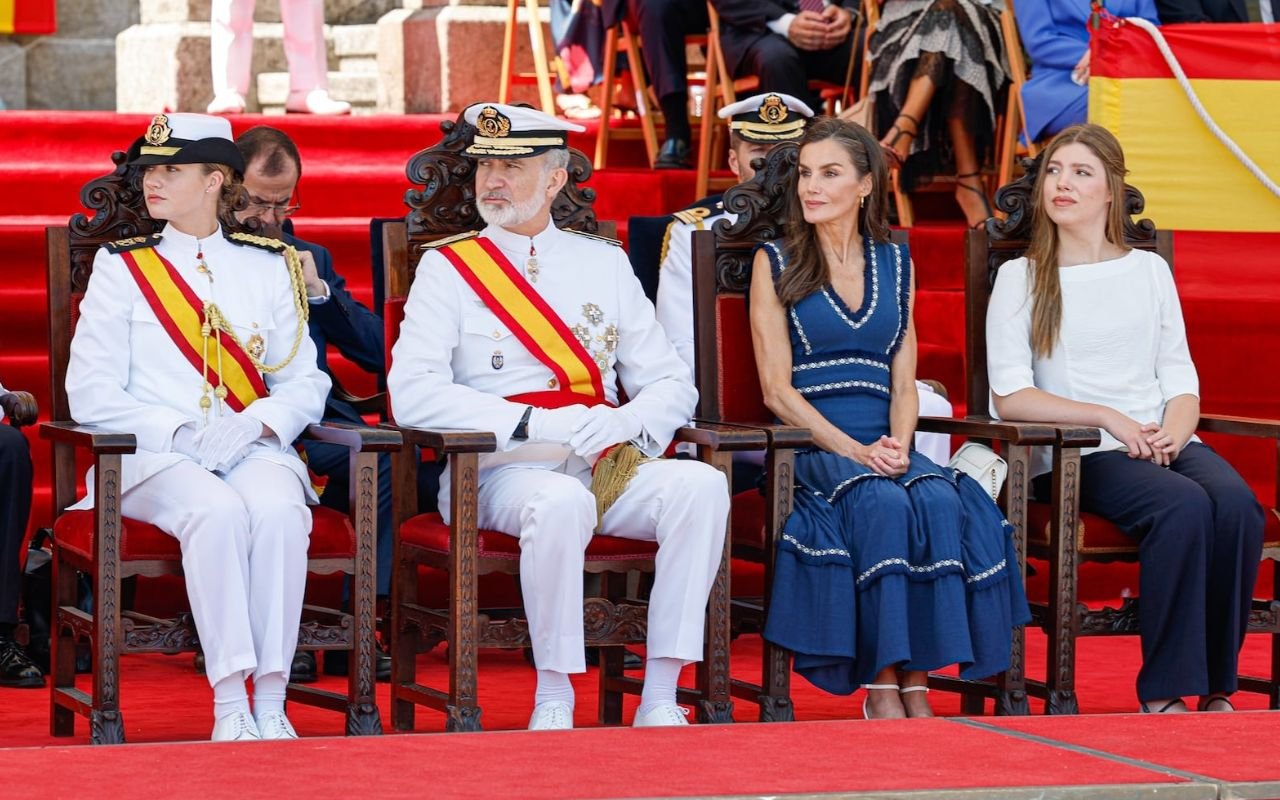
The situation worsened in the months that followed. In March 2026, a royal decree officially ended Ambassador Sálomon’s mission, a formal step symbolizing Spain’s firm stance and unwillingness to restore normal diplomatic representation under the current circumstances. King Felipe VI endorsed this decree, underlining not only the government’s position but also the state’s consensus on this highly sensitive foreign policy matter.
Spain’s foreign ministry proposed the termination due to multiple intertwined factors: the harsh Israeli military actions in Gaza, Madrid’s vocal criticism of those operations, and its formal recognition of a Palestinian state. These factors cumulatively raised tensions to a point where maintaining a full ambassadorial presence became diplomatically untenable for Spain.
The Spanish embassy in Tel Aviv has since operated under a chargé d’affaires, a lower diplomatic rank that indicates minimal engagement. This status quo reflects a deliberate downgrading of relations—a clear diplomatic message that Spain has taken a solid stance diverging sharply from Israeli policies in the region.
Analyzing Spain’s choices reveals a strategic realignment, where humanitarian concerns and international law considerations took precedence over traditional bilateral diplomacy. This marks a significant shift in Spain’s Middle East policy, prioritizing public and political opposition to the ongoing Gaza conflict over maintaining high-level diplomatic ties.
Implications of Spain’s diplomatic downgrade for international relations
The permanent withdrawal of Spain’s ambassador to Israel represents more than a bilateral setback; it echoes across European and Middle Eastern diplomatic circles. Spain, long regarded as a pivotal European voice on Middle Eastern affairs, is now signalling its disapproval in the most unequivocal terms.
This diplomatic downgrade affects several key areas:
- European Union unity: Spain’s move distinguishes it as one of the most vocal critics within the EU regarding Israel’s military actions. This adds pressure on Brussels to reassess collective EU policy towards Israel and the Palestinian territories.
- Middle East peace efforts: The diplomatic hiatus hampers direct dialogue channels between Madrid and Tel Aviv, complicating Spain’s role as a mediator or promoter of regional peace initiatives.
- Bilateral economic and cultural exchanges: While still ongoing at some levels, the withdrawal limits official cooperation, with potential repercussions for trade, tourism, and cultural projects.
Spain’s firm stance over Gaza resonates with several other nations concerned about humanitarian issues, yet risks alienating Israel and its diplomatic allies. Additionally, Madrid’s acknowledgment of Palestine as a state preceding this withdrawal amplifies the rift, positioning Spain in opposition to Israel’s core political stance.
In parallel, Israel recalled its ambassador to Spain already in 2024, indicating that both countries are entrenched in a diplomatic impasse. The lack of ambassadors in each other’s capitals symbolizes a near freeze in official communications, a rare state of affairs between European and Middle Eastern partners.
These developments emphasize how complex geopolitical conflicts influence traditional diplomatic practices. The ripple effects are evident in international forums, where Spain’s position affects voting behavior and coalition-building, especially regarding resolutions on Middle Eastern conflicts.
As the diplomatic stalemate continues, the international community watches carefully whether these positions will harden further or if a path to reconciliation will emerge amidst mounting regional tensions.
Spain’s stance on Gaza and Iran: How it fuels diplomatic tensions
At the heart of the Madrid-Tel Aviv diplomatic crisis lie divergent views on two pivotal conflicts: the Gaza war and military strikes related to Iran. Spain has consistently condemned Israel’s operations in Gaza, raising alarms about civilian casualties and the humanitarian crisis. Spanish officials have emphasized their concern for Palestinian rights, aligning with broader European calls for restraint and peace.
This outspoken position stood in stark contrast to Israel’s aggressive military approach, setting the two governments on a collision course. Furthermore, Spain has openly criticized US-Israeli airstrikes targeting Iranian positions, accusing them of destabilizing regional security. This critique expanded the scope of the dispute beyond Gaza, implicating broader Middle Eastern geopolitics.
Spain’s vocal opposition to these military strategies is part of a calculated diplomatic positioning. By challenging Israel and its allies, Madrid seeks to champion humanitarian values and international law, appealing to both domestic and international audiences sympathetic to Palestinian and regional peace causes.
The consequences have been significant:
- Diplomatic ripostes: Israel’s reaction has been firm, denouncing Spain’s stance as biased and detrimental to efforts to combat regional threats.
- Ambassadorial recalls: As previously noted, Israel’s absence of an ambassador in Madrid and now Spain’s withdrawal of its envoy in Tel Aviv reflect reciprocal punitive gestures.
- Public opinion polarization: In both countries, the governments face internal criticism, with supporters rallying behind national policies while opponents decry the diplomatic fallout.
- Complicated alliances: The Spanish approach strains Spain’s relations with countries that support Israel, requiring careful navigation in broader diplomatic contexts, including within NATO and the United Nations.
Spain’s critique of the Gaza operations and Iranian strikes highlights the complexity of balancing national principles with international diplomacy. It underlines the challenges faced by democracies attempting to uphold human rights while managing strategic alliances.
The effects on bilateral relations and embassy operations in 2026
The permanent withdrawal of Ambassador Sálomon has significantly disrupted the operational framework of Spain’s embassy in Tel Aviv. Functionally led by a chargé d’affaires, the mission operates at reduced capacity, handling routine consular affairs but lacking high-level diplomatic engagement.
This downgraded presence affects several facets of bilateral relations:
- Political dialogue: Without an ambassador, direct influence on Israeli government officials diminishes sharply.
- Consular services: While day-to-day services for Spanish citizens and travelers continue, cooperation on complex legal or political cases becomes more cumbersome.
- Trade and investment promotion: Economic diplomacy suffers as Spanish officials lack the clout of ambassadorial rank to advocate robustly in Israeli business circles.
- Cultural cooperation: Joint cultural programs face delays or cancellations, reflecting the political tensions permeating all levels of interaction.
The reciprocal absence of an Israeli ambassador in Madrid further compounds the situation. Trade delegations and political visits are rare, signaling a serious chill that impacts sectors ranging from tourism to technology collaboration.
Practically, this diplomatic freeze means both nations are maintaining only the most essential communication lines, relying on lower-tier diplomatic staff to manage crises or emergencies. This limbo restricts the possibility of acting collaboratively on issues such as counterterrorism, migration, or environmental initiatives, where cooperation previously existed.
Experts warn that prolonged diplomatic distancing could entrench negative perceptions among the citizens of both countries, potentially undermining future prospects for rapprochement.
What could happen next? Prospects for Madrid-Tel Aviv relations
Looking ahead, the trajectory of Spain-Israel relations remains uncertain. Without a clear timeline for appointing a new ambassador, the diplomatic stalemate may persist well into the future. Several factors could influence potential changes:
- Regional developments: Shifts in the Gaza conflict or Iran-related tensions might prompt Madrid or Tel Aviv to reconsider their stances.
- International diplomatic pressure: Both the European Union and global powers may push for dialogue restoration to avoid destabilizing wider regional politics.
- Domestic political shifts: Upcoming elections or changes in leadership in either country could lead to a reassessment of foreign policy priorities.
- Track-two diplomacy: Informal channels involving civil society, academic institutions, and former diplomats might pave the way for reestablishing official ties.
While the current status marks a nadir in relations, history has shown that diplomatic ruptures can be temporary. Reengagement is likely to depend on significant political will and changes in the regional landscape that could create mutual incentives for dialogue.
| Key event | Date | Impact |
|---|---|---|
| Recall of Spanish Ambassador in Israel | September 2025 | Signaled rising tensions and initial diplomatic freeze |
| Royal decree ending ambassador’s mission | March 11, 2026 | Formalized break and downgraded diplomatic relations |
| Recall of Israeli Ambassador in Spain | 2024 | Preceded Spanish moves, heightening diplomatic impasse |
Spain’s stance has brought attention to its broader role in European foreign policy, showing a readiness to stand firm on issues of humanitarian concern despite diplomatic costs. Whether this approach will lead to renewed dialogue or deepen the divide remains a key question as regional volatility persists.
Why did Spain permanently withdraw its ambassador from Israel?
Spain cited its strong opposition to Israel’s military actions in Gaza and its formal recognition of a Palestinian state as key reasons for terminating its ambassador’s mission.
What are the consequences of this diplomatic downgrade?
The withdrawal has led to near-freeze in bilateral political dialogue, reduced economic and cultural cooperation, and increased tensions within the broader European diplomatic context.
Has Israel reacted similarly to Spain’s actions?
Yes, Israel recalled its ambassador to Spain in 2024, leading to both countries currently operating without ambassadors in each other’s capitals.
What is the significance of a chargé d’affaires running the embassy?
A chargé d’affaires leads diplomatic missions when there is no ambassador. This status indicates downgraded diplomatic relations with limited engagement capabilities.
Could relations between Spain and Israel improve in the near future?
Potential improvements depend on changes in regional conflicts, international pressure, or shifts in political leadership that could encourage dialogue restoration.
