
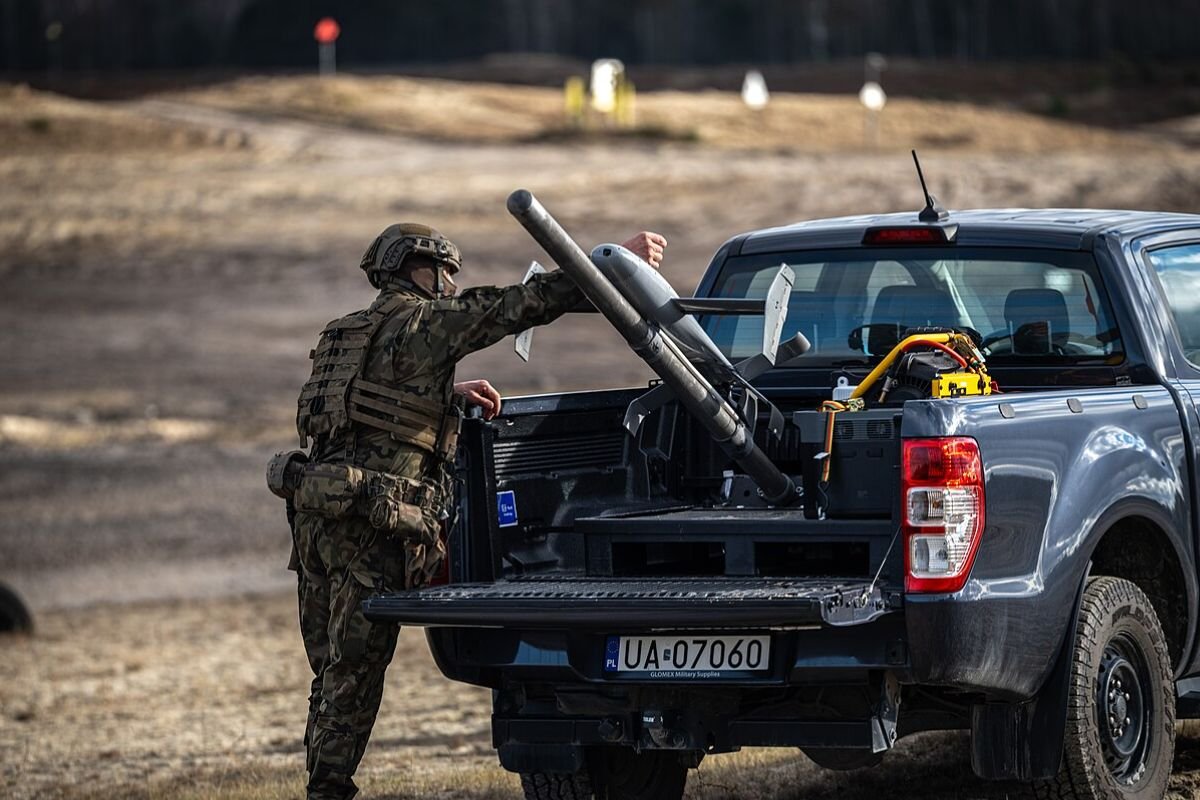
Poland’s deployment of the MEROPS advanced drone interceptor system marks a significant leap in counter-UAV capabilities along NATO’s eastern flank, setting new standards in defense technology and operational synergy.
With increasing drone incursions across Eastern Europe, Poland has taken strategic measures by deploying the American-made MEROPS system, designed to detect, track, and neutralize hostile unmanned aerial vehicles (UAVs). This complex AI-enhanced mobile platform not only counters drone threats but integrates seamlessly with ground forces, elevating battlefield awareness and response efficacy. The move highlights the urgency felt within NATO allies to shield critical airspace in the face of evolving aerial threats.
How Merops revolutionizes counter-drone defense on NATO’s eastern border
The MEROPS system represents a paradigm shift in how modern armies confront the sweeping challenge of hostile drone swarms. Traditional anti-air systems are often ill-equipped to handle smaller, agile UAVs, especially when these drones operate in coordinated packs or under GPS jamming conditions. MEROPS, however, employs a comprehensive suite of radars, electro-optical and infrared sensors combined with artificial intelligence algorithms. These technologies aggregate real-time data to provide precise detection and threat evaluation.
Merops’ AI-driven sensor fusion allows it to discriminate between harmless commercial drones and potentially hostile military UAVs such as Russia’s infamous “shaheeds,” known for strikes in conflict zones. This selective detection is a game changer, dramatically reducing false alarms and focusing interception efforts effectively. The radar component covers a wide area and tracks motions at different altitudes, while EO/IR sensors identify the drones visually and thermally, even under low visibility or signal interference.
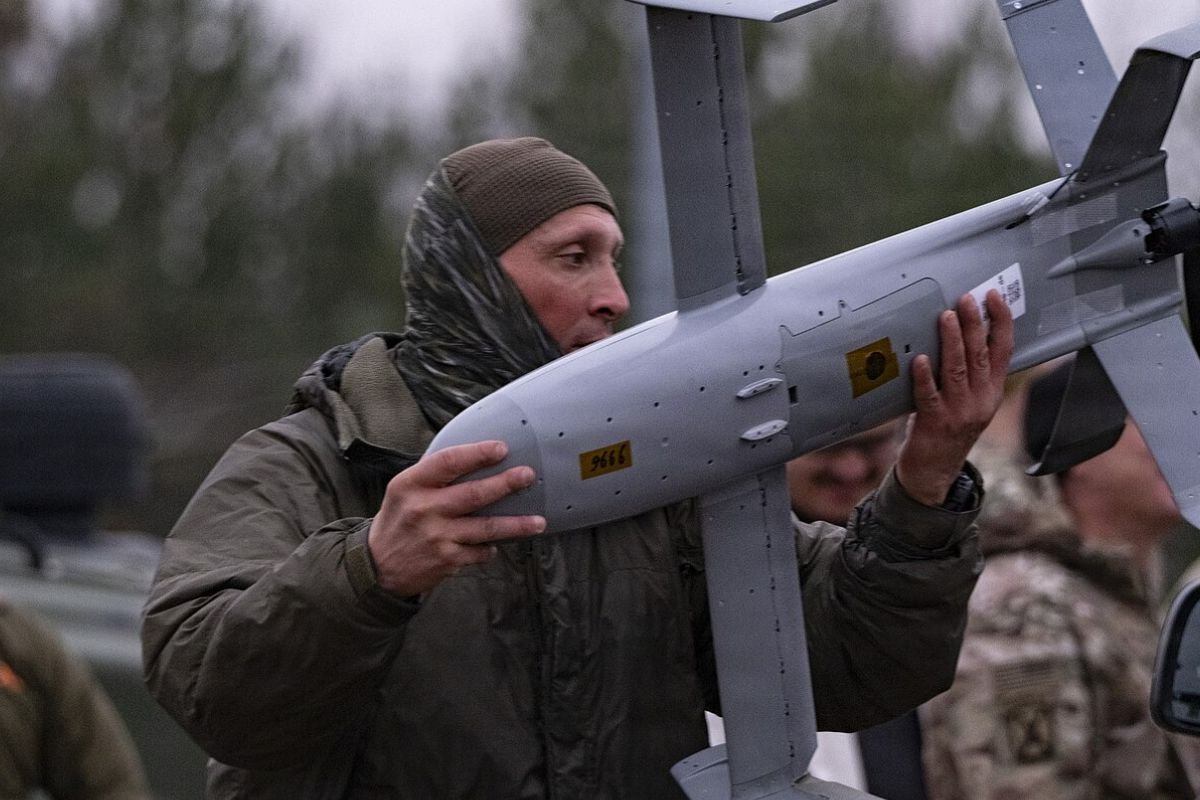
Already used in Ukraine and along NATO’s eastern flank, it offers a lower-cost defense against threats such as Shahed-type drones.
Furthermore, the system’s ability to process and share tactical data with human operators and allied systems offers commanders a high-fidelity operational picture. This networked approach streamlines decision-making by presenting options: from immediate drone destruction to relaying targeting data to coordinated artillery or air assets.
As Poland faces persistent threats along its eastern border, the MEROPS deployment underlines NATO’s commitment to technological innovation. The addition of mobile interceptors launched from truck-mounted units allows quick repositioning, adapting to dynamic threat environments with unparalleled agility. Poland has boosted its defensive posture substantially by leveraging this adaptive architecture, blending automation with human oversight in frontline engagements.
The training synergy behind Poland, Romania, and the U.S. in mastering MEROPS
Deploying an advanced system like MEROPS demands highly specialized training, which Poland, Romania, and U.S forces have conducted in a closely coordinated program. Spanning over 20 days, this rigorous course equipped troops with hands-on experience in operating the system’s multifunctional components, from radar calibration and sensor data interpretation to drone interception protocols.
Interoperability was a central theme. The joint training ensured units from different NATO countries could share operational insights and synchronize their threat response seamlessly. This cross-border cooperation reflects a broader trend of multinational defense initiatives aimed at creating a unified front against drone incursions.
During live-fire demonstrations at Nowa Dęba, Poland, troops executed complex scenarios showcasing drone-on-drone engagements where MEROPS interceptors successfully targeted simulators mimicking hostile UAVs. These exercises underscored the system’s reliability under stress and operational complexity. Operators learned to balance automated functions with manual overrides, honing judgment skills essential for mission-critical decisions.
Moreover, the training covered integration with command-and-control networks, allowing intercepted data to feed into NATO’s broader air surveillance systems. This connectivity enhances collective situational awareness, critical for defending expansive eastern borders where rapid threat escalation can occur.
Poland’s Ministry of Defense has recognized the value of these joint drills, emphasizing that this type of preparation fortifies not just technical competency but also fosters NATO unity. The lessons learned translate into greater readiness against asymmetric aerial threats that have become commonplace on the continent.
Technological anatomy: components and capabilities defining MEROPS’ edge
The MEROPS system is an intricate blend of sensors, processing units, and interception mechanisms crafted to deliver precision and cost-effective defense. At its core lies a truck-mounted launcher capable of deploying a reusable interceptor drone priced at approximately €14,000, offering an economically viable solution compared to expensive missile defense systems.
Key components include:
- Radar array that scans extensive airspace continuously for fast and slow-moving aerial targets.
- Electro-optical and infrared (EO/IR) sensors that provide detailed visual and thermal tracking for target confirmation and classification.
- Control stations featuring AI-assisted interfaces where operators coordinate drone launches, track intercepts, and manage system diagnostics.
- Interceptor drones designed specifically for drone-on-drone engagements, featuring agile flight patterns and electric propulsion to silently approach threats.
One defining feature is MEROPS’ robustness against GPS jamming and communication interference, conditions frequently encountered in contested warzones. Its AI algorithms compensate by relying on sensor fusion and autonomous targeting, reducing operator workload and enhancing mission success rates.
The system also includes modular components allowing easy upgrades as drone technology rapidly evolves. This future-proof design ensures that Poland’s air defense will keep pace with sophisticated UAV threats for years to come.
Case studies from the Ukrainian conflict have validated MEROPS’ effectiveness, where it played a pivotal role in downing numerous Russian drones, including tactical reconnaissance and kamikaze types, preventing intelligence leaks and physical damages to infrastructure.
Operational impact: MEROPS reshaping Eastern European defense strategy
Since its deployment, MEROPS has notably changed the defense calculus for Poland and the broader NATO eastern flank. The persistent challenge posed by Russian UAV provocations demanded a rapid, scalable countermeasure to safeguard key military installations, airports, and civilian areas.
By integrating MEROPS into frontline defense, Poland dramatically reduces drone threat windows, achieving intercept times measured in seconds after detection. This rapid response curtails surprise attacks and enables preemptive defensive actions, which are critical given the speed and small size of modern drones.
The system also enables commanders to better prioritize responses, distinguishing between urgent threats and non-hostile UAV activities, thereby optimizing resource allocation. This intelligence-driven approach reduces unnecessary engagement, conserving interceptor drones and operational readiness.
Expanding beyond point-defense, MEROPS fits into multi-layered defense networks combining electronic warfare, cyber defense, and kinetic interceptors. This synergistic model strengthens NATO’s deterrence posture, showcasing a tangible example of technology-driven force multiplication.
Poland’s initiative has sparked interest among neighboring countries. Romania and Denmark have already started similar acquisitions, signaling a regional shift toward investment in low-cost, scalable counter-UAV systems capable of adapting to evolving aerial threats.
Ultimately, MEROPS deployment reflects a strategic pivot from reactive defense to proactive airspace control, vital in maintaining NATO’s technological and operational edge along one of its most contested borders.
Challenges and future upgrades for drone interception systems like MEROPS
No defense system is without limitations, and MEROPS faces ongoing challenges as drone technology grows more sophisticated. Adversaries are constantly improving UAV stealth, swarm coordination, and electronic attack capabilities, pushing counter-drone systems into rapid innovation cycles.
One significant challenge is the increasing use of swarm tactics, where multiple drones operate in coordinated groups, overwhelming sensors and saturating interception capacities. MEROPS’ AI is designed to identify and prioritize targets, but swarms demand higher processing power and autonomous engagement protocols to handle sheer numbers effectively.
Additionally, adversarial countermeasures such as GPS spoofing and advanced jamming will remain persistent threats. To maintain efficacy, MEROPS and similar systems must incorporate resilient communications, adaptive filtering, and enhanced sensor integration.
Future upgrades under consideration include:
- Expanded interceptor drone payloads to incapacitate multiple drones per sortie.
- Improved AI decision-making algorithms that learn and adapt based on evolving enemy tactics.
- Integration with satellite and airborne sensor networks for extended detection ranges.
- Robust cybersecurity measures to safeguard command-and-control nodes against hacking attempts.
The evolution of MEROPS mirrors the broader trajectory of modern warfare where unmanned systems dominate. Poland’s early adoption provides vital data and operational feedback to drive these future developments, ensuring NATO remains a step ahead.
Continued investment and collaboration among alliance members will be crucial, as Eastern Europe confronts new aerial threats that challenge traditional defense paradigms.
MEROPS deployment timeline and key milestones
| Date | Event | Location | Significance |
|---|---|---|---|
| September 2025 | Initial delivery of MEROPS units to Poland and Romania | Warsaw and Bucharest | Marked start of regional counter-drone enhancement |
| October 2025 | Joint U.S., Polish, Romanian training completed | Nowa Dęba, Poland | Operational readiness of MEROPS troops verified |
| November 2025 | Live-fire demonstration of drone-on-drone intercepts | Nowa Dęba, Poland | Proved system efficacy under real combat conditions |
| Early 2026 | Full operational deployment on NATO’s eastern flank | Poland’s eastern border | Enhanced airspace security and deterrence |
What is the MEROPS system designed to counter?
MEROPS targets hostile unmanned aerial vehicles (UAVs), specifically combat drones like the Russian ‘shaheed,’ to protect airspace from drone incursions.
How does MEROPS differentiate between hostile and civilian drones?
Using advanced radar and EO/IR sensors combined with AI algorithms, MEROPS identifies the drone type by size, flight pattern, and thermal signatures, minimizing false alarms.
Can MEROPS work under GPS jamming conditions?
Yes, MEROPS uses sensor fusion and autonomous targeting to function effectively even when GPS signals are disrupted or jammed.
What countries are deploying the MEROPS system currently?
Poland, Romania, and Denmark have started deploying MEROPS as part of NATO’s broader eastern defense strategy.
What are the future upgrades planned for MEROPS?
Future enhancements include expanded interceptor capabilities, improved AI learning, integration with satellite sensors, and strengthened cybersecurity for command networks.
Sources:
- https://www.stripes.com/branches/army/2025-11-18/poland-merops-counter-drone-19809718.html
- https://defence-blog.com/poland-begins-fielding-merops-drone-interceptor-system
