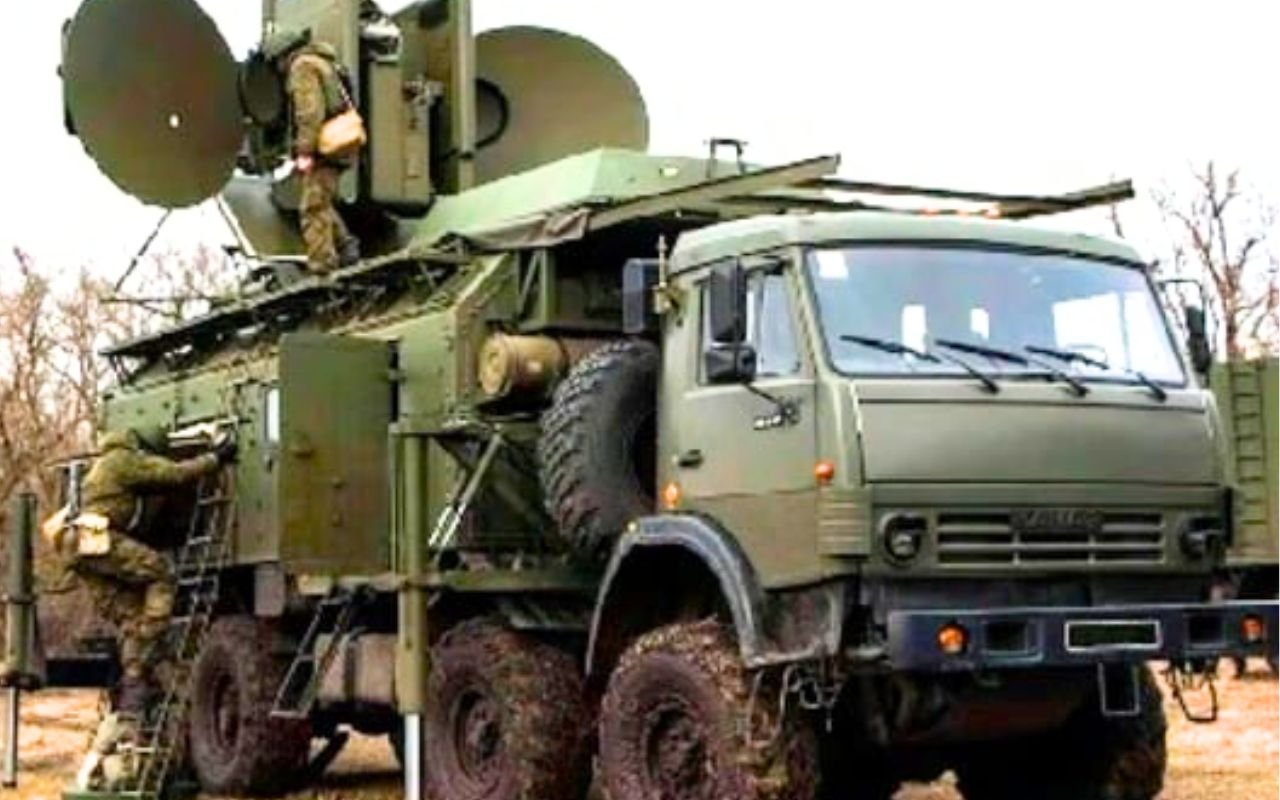
The recent U.S. airstrike that demolished a sophisticated Russian-made electronic warfare (EW) system in Iran marks a pivotal escalation in modern military engagements, signaling a new chapter in the evolving landscape of electronic combat.
In an unprecedented move, U.S. forces conducted a precision airstrike aimed at an Iranian military installation housing a Tor-M1 electronic warfare system supplied by Russia. This attack, part of a broader operation dubbed “Epic Fury,” sought to dismantle key components of Iran’s integrated air-defense network. The strike underscores not only the growing reliance on electronic warfare in contemporary conflicts but also the intricate geopolitics that define the Middle East in 2026.
Understanding the Significance of the Tor-M1 System in Iran’s Air Defense
The destruction of the Tor-M1 system is more than a tactical victory; it is a blow to Iran’s strategic air defense capabilities. The Tor-M1 air defense system is a tracked, radar-equipped vehicle capable of detecting and neutralizing a variety of aerial threats including aircraft, drones, and missiles. Delivered by Russia in the mid-2000s, the system has been central to Tehran’s efforts to establish an integrated and layered air-defense shield.
The Tor-M1’s technology extends beyond mere interception. Its advanced electronic warfare features allow it to jam enemy radar and communications, blinding attacking forces and disrupting coordinated strikes. This makes it a high-priority target for any adversary aiming to undermine Iran’s defensive posture. U.S. military planners have long viewed Tor-equipped sites as critical nodes that, if dismantled, could significantly degrade Iran’s ability to repel aerial attacks.
Iran’s use of Russian-made systems illustrates a broader trend of Moscow extending its influence through arms trade. The Tor-M1’s presence in Iran is part of a larger patchwork of air defense tools, including Chinese and indigenous technologies, creating a complex network that relies heavily on electronic warfare and surveillance. The loss of such a system affects not only defensive operations but also Tehran’s deterrence strategy against regional adversaries and U.S. forces.
Furthermore, the airstrike on the Tor-M1 site signals the increasing incorporation of EW as a frontline weapon. Historically overshadowed by kinetic strikes, electronic warfare now plays a decisive role in determining battle outcomes by disabling or confusing enemy sensors and communication systems. This event sheds light on the evolving nature of air defense, where electronic dominance can tip the scales even before physical engagements occur.

The strategic objectives behind U.S. strikes on Iran’s integrated air defense network
Behind the scenes of the U.S. operation “Epic Fury” lies a calculated campaign to systematically neutralize Iran’s air defense architecture. The primary goal is to “raze or level Iran’s ballistic missile industrial base” while crippling its layered radar and missile defense capabilities. The destruction of the Tor-M1 system fits this broader objective by dismantling one of the key components of Iran’s air defense, making it more vulnerable to subsequent strikes and drone incursions.
The U.S. military’s strategy hinges on the principle that dominance in the electromagnetic spectrum correlates directly to superiority over enemy forces. By removing EW systems like the Tor-M1, American forces aim to restore freedom of movement for their aircraft and precision-guided munitions, which rely on secure communications and sensor fusion. This tactic reflects a broader trend seen in recent conflicts, where electronic warfare capabilities are targeted to incapacitate command and control systems.
This strategy also serves a psychological purpose. The successful destruction of a Russian-made system on Iranian soil sends an unambiguous message not only to Tehran and Moscow but also to regional and global adversaries. It projects U.S. technological and operational superiority, while simultaneously undermining the confidence of Iran’s allies in the reliability of their military hardware.
The U.S. approach is not simply about physical demolition but revolves around shaping the battlefield for long-term geopolitical gains. By targeting infrastructure critical to missile defense and electronic warfare, the U.S. aims to constrain Iran’s strategic options and pressure Tehran into recalibrating its regional posture. This campaign fits into a wider context of escalating hostilities and shifting alliances in the Middle East.
How electronic warfare reshapes modern air combat and its implications for regional security
Electronic warfare has transformed from a niche scientific endeavor into a cornerstone of military operations. The conflict involving the U.S., Iran, and Russia illustrates how EW systems like the Tor-M1 can function both defensively and offensively, disrupting radar signals, communications, and even GPS services.
For Iran, deploying the Tor-M1 represents both a technological leap and a strategic deterrent. In practice, it forces adversaries to adopt more sophisticated electronic countermeasures, increasing the complexity and risk of air operations in the region. This arms race in the electromagnetic domain extends beyond hardware, pushing for the development of cyber capabilities, stealth technology, and electronic counter-countermeasures.
Understanding the role of electronic warfare also helps explain the broader geopolitical stakes. The Middle East’s volatile security environment means that any degradation of an opponent’s electronic capabilities can be as decisive as destroying physical assets. This shift magnifies the importance of intelligence gathering, electronic defense training, and rapid technological innovation among regional powers and their allies.
The rise of unmanned drones, guided missiles, and cyber warfare tools further entrenches electronic warfare as an unavoidable battlefield. Operators on all sides have been seen exploiting jamming, signal interception, and deception tactics to gain advantages. As a result, air defense strategies must evolve to integrate EW with kinetic strikes to defeat highly automated and electronically shielded threats.
Technical breakdown of the U.S. precision airstrike on the Tor-M1 system and its operational challenges
The success of the U.S. strike on the Tor-M1 system involved a combination of advanced intelligence, timing, and precision-guided munitions. Targeting an electronic warfare system demands nuanced understanding of the site’s defenses, electronic emissions, and vulnerabilities. The U.S. Central Command released videos revealing a coordinated missile strike that disabled the tracked vehicle and its radar array effectively.
A considerable challenge in the strike was overcoming the Tor-M1’s own countermeasures. The system is designed to detect and jam incoming missile guidance signals, which makes precision targeting complex. U.S. forces reportedly employed stealth drones and electronic deception techniques to evade radar detection and saturate the site’s electronic defenses before launching the final strike.
Moreover, the risk of collateral damage added constraints. The Tor-M1 site was reportedly near civilian infrastructure, necessitating high precision to limit unintended casualties and avoid diplomatic fallout. The operation’s success thus reflects not only military might but also advanced rules of engagement and real-time battlefield decision-making.
The technical triumph of neutralizing a Russian-made electronic warfare system on foreign soil marks a milestone, showing how modern military technology, including satellite surveillance, cyber operations, and precision munitions, converge to achieve strategic objectives under complex operational conditions.
Key technical features that aided the strike success include:
- Stealth drone reconnaissance: Covert surveillance to monitor site activity and emissions.
- Electronic jamming and spoofing: Disruption of Tor-M1 radar and communication to blind its operators during the attack.
- Precision-guided missiles: Delivery of ordinance with minimal collateral damage and high strike accuracy.
- Real-time data fusion: Integration of satellite, aerial, and signals intelligence to update target coordinates dynamically.
- Robust command and control: Seamless coordination among air assets and intelligence units throughout the mission.
Long-term ramifications of the airstrike on international arms dynamics and regional power balance
The elimination of a Russian-supplied EW system in Iran reverberates well beyond the immediate battlefield. It raises urgent questions about the future of arms trade, the resilience of defense alliances, and the ongoing competition for military dominance in the Middle East and beyond.
This incident will likely prompt Russia to reassess the vulnerability of its exported technologies and may accelerate its efforts to develop more resilient electronic warfare systems. For Iran, the loss amplifies the challenge of maintaining a credible deterrent and may push Tehran to diversify and indigenize its defense industries.
Regionally, this event intensifies the security dilemma, compelling neighboring countries to rethink their own military investments, alliances, and defense doctrines. Countries like Saudi Arabia, Israel, and the UAE could find the altered power balance an opportunity to advance their strategic goals, while others might feel compelled to enhance their electronic warfare and missile defense capacities.
On a global scale, the airstrike underscores the growing importance of electronic warfare in defining military supremacy. It signals a strategic shift where soft power capabilities in cyberspace and the electromagnetic spectrum are as critical as kinetic weapons. Consequently, great powers must increasingly focus on securing technological sovereignty and safeguarding electronic infrastructure as a cornerstone of national security.
Below is a summary table of recent significant related events that shape the current context:
| Date | Event | Location | Impact |
|---|---|---|---|
| March 2, 2026 | U.S. precision airstrike on Tor-M1 system | Iran | Major degradation of Iran’s air defense network |
| February 28, 2026 | U.S.-Israeli strikes on Iranian missile facilities | Iran | Disruption of ballistic missile capabilities |
| March 1, 2026 | Iran deploys Shahed-136 drones in retaliation | Regional airspace | Escalation of asymmetric warfare tactics |
| March 5, 2026 | Increased sanctions on Iran by Western powers | International | Economic pressure amplifying military strain |
What is a Tor-M1 electronic warfare system?
The Tor-M1 is a Russian-made, mobile air defense system with electronic warfare capabilities designed to detect and intercept aircraft, missiles, and drones while jamming enemy radar and communications.
Why was the U.S. targeting Iranian air defenses?
The U.S aimed to dismantle Iran’s integrated air defense network to weaken its missile and drone capabilities, ensuring operational freedom for U.S. and allied forces in the region.
How does electronic warfare affect modern military engagements?
Electronic warfare disrupts enemy sensors, communications, and radar, limiting situational awareness and command capabilities, which can decisively change the outcome of military operations.
What could be the broader international impact of this airstrike?
It challenges the resilience of Russian arms exports, pressures Iran to innovate defense technologies, and shifts regional power balances, affecting alliances and military strategies globally.
What technologies are used in precision airstrikes against EW systems?
Precision airstrikes employ stealth drones, electronic jamming, spoofing, real-time intelligence fusion, and guided munitions to target and neutralize complex electronic warfare installations accurately.
