
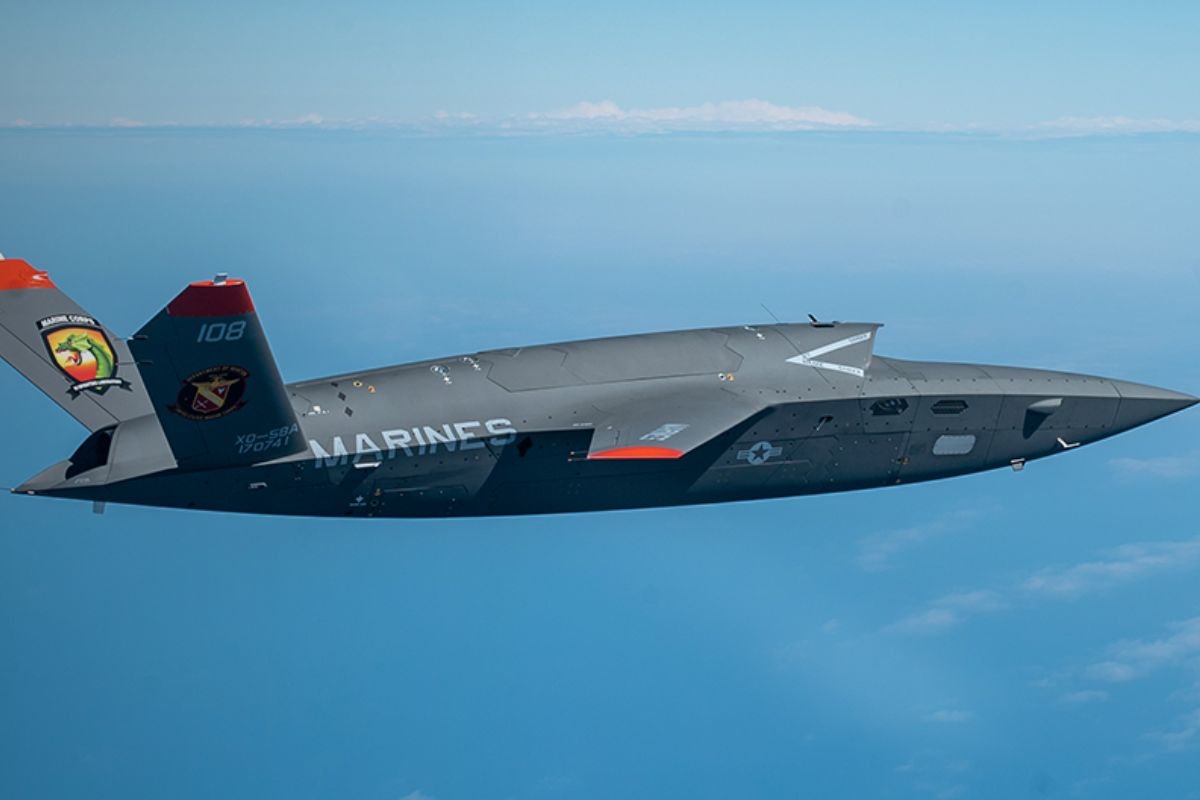
Airbus is pushing the boundaries of military technology once again with its Valkyrie combat drone, poised to transform the German Air Force’s capabilities in the coming years.
As the global landscape of aerial combat shifts towards automation and advanced drone warfare, Airbus has intensified its efforts on the Valkyrie project. This cutting-edge unmanned combat aerial vehicle (UCAV) promises a new era of integration, combining stealth, versatility, and deep-strike capabilities. Already turning heads in military circles, the Valkyrie is on track for full deployment within the German Air Force, marking a significant step forward in Europe’s defense autonomy.
How the Valkyrie drone is reshaping air combat operations with unmatched stealth and firepower
The rise of drones in modern warfare has been unstoppable, but the Valkyrie combat drone brings a fresh combination of features that set it apart from existing platforms. Designed with a focus on low observability, the Valkyrie’s sleek design minimizes radar detection, allowing it to penetrate contested airspace with relative ease. This stealth capability drastically improves the German Air Force’s ability to conduct covert reconnaissance and strike missions.
Unlike typical reconnaissance drones, the Valkyrie is built for direct engagement. Equipped with precision-guided munitions, it can execute targeted strikes against both fixed and mobile targets, providing a new level of tactical flexibility. This marks a shift from traditional drone uses, underscoring a move towards autonomous combat roles. German military planners anticipate that Valkyrie will act as both a force multiplier and a risk reducer by taking on dangerous missions that would otherwise put human pilots in peril.
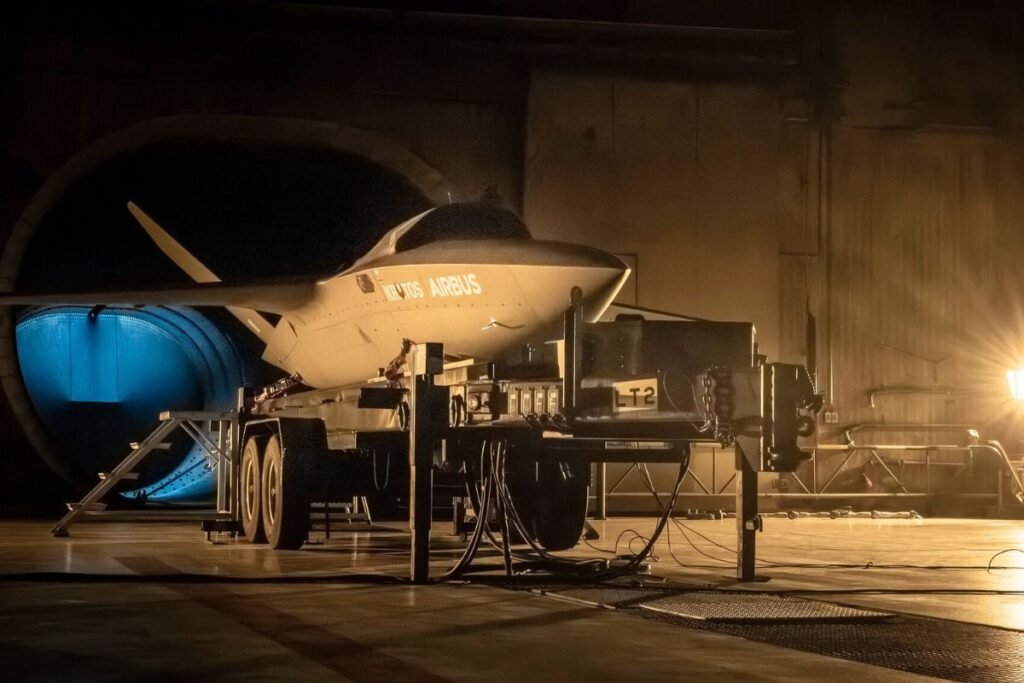
Combining AI-driven autonomy, long endurance, and modular payloads, the drone is expected to play a key role in Europe’s next-generation air combat systems.
Its lightweight frame allows for extended flight durations exceeding 12 hours, while advanced propulsion systems ensure silent operation. The drone’s ability to carry up to 500 kg of payloads—and switch between munitions or surveillance equipment quickly in the field—gives commanders adaptable options depending on mission demands.
Beyond its combat capabilities, the Valkyrie incorporates advanced AI algorithms for autonomous navigation, real-time decision-making, and adaptive threat response. This means it can operate effectively in denied environments, autonomously choosing when to engage or evade threats without constant human input. Such autonomy not only increases operational tempo but also frees air crews for broader strategic tasks.
The combination of stealth, endurance, and smart targeting places the Valkyrie among the most potent unmanned systems in the world, emphasizing its role as an essential asset for the German Air Force’s modernization efforts.
Challenges and strategies behind integrating the Valkyrie into Germany’s existing air force structure
Integrating an advanced UCAV like the Valkyrie into established military frameworks requires not just hardware updates but a fundamental rethink of operations and training. The German Air Force faces the complex task of blending manned and unmanned systems for seamless, coordinated missions—a challenge common across the world’s militaries as drone technology advances.
One major hurdle is the need for interoperable command and control systems. For Valkyrie to operate effectively alongside Eurofighter jets and other assets, real-time data sharing and centralized mission control must be flawless. Airbus is working closely with German defense agencies to develop a unified interface, ensuring pilots and ground operators can monitor and direct drone missions effortlessly.
Moreover, pilot and technician training programs are being overhauled to incorporate drone operation fundamentals alongside traditional aerial combat skills. This requires a cultural shift within the force, balancing trust in autonomous systems with human oversight. Simulated environments and joint exercises play a pivotal role in accelerating this transition.
Legal and ethical considerations also come to the fore with autonomous lethal systems. Germany’s military policymakers emphasize strict compliance with international law and human control over engagement decisions. To navigate this, the Valkyrie’s AI software includes safeguards and mandatory human-in-the-loop provisions for weapons release commands, reflecting Germany’s commitment to responsible drone usage.
Despite these challenges, the German Air Force plans phased deployments starting with surveillance and reconnaissance roles before transitioning Valkyrie into more direct combat support, reflecting a pragmatic approach to full operational integration. This staged rollout allows valuable lessons to be learned at each step, smoothing the path for future unmanned aerial weapon systems.
Key technological innovations powering the Valkyrie combat drone’s capabilities
The success of the Valkyrie UCAV is rooted in groundbreaking technological advancements engineered by Airbus and partners. At the core is the combination of lightweight composite materials and next-generation propulsion mechanisms that deliver long endurance without sacrificing speed or agility.
Advanced stealth coatings reduce the drone’s infrared and radar signatures, making detection by enemy air defenses markedly difficult. This feature is crucial for deep penetration missions in heavily defended regions, allowing the Valkyrie to bypass traditional warning systems that often foil manned aircraft.
The onboard AI system is another standout innovation. It integrates natural language processing, automatic threat detection, and predictive analytics to anticipate enemy maneuvers. With this, the Valkyrie can autonomously adapt its flight path, assess optimal targets, and coordinate with manned platforms in a dynamic battlefield environment.
Sensors embedded throughout the airframe provide 360-degree surveillance coverage, capable of conducting electronic warfare, signal interception, and imagery capture simultaneously. These capabilities enable the drone to perform comprehensive intelligence gathering while maintaining offensive readiness.
Further, the drone’s modular payload bay supports customizable mission kits, allowing rapid reconfiguration between different task types—whether surveillance with high-definition cameras, electronic jammers, or missile pods. This versatility reduces operational costs and increases mission flexibility compared to traditional fixed-role aircraft.
Apart from raw performance, the Valkyrie’s design emphasizes maintainability with plug-and-play components and remote diagnostics tools embedded in the software suite. This eases repair cycles and ensures higher mission availability rates, a critical advantage for sustained combat operations.
Comparative advantages of the Valkyrie against other European and global combat drones
In the crowded field of unmanned combat aerial vehicles, the Valkyrie holds a series of competitive edges that position it as a preferred choice for Germany and potentially other European nations. When compared with systems like France’s Neuron or the US MQ-9 Reaper, the Valkyrie distinguishes itself through a blend of stealth, autonomy, and payload versatility.
Unlike the MQ-9, which primarily functions as an armed reconnaissance platform, Valkyrie is designed from the ground up as a true combat drone capable of striking sophisticated targets with precision. Its stealth attributes surpass many existing drones worldwide, which often rely on bulkier structures that increase radar visibility.
The drone also adds value by combining high payload capacity with extended flight endurance, a combination that allows for longer missions deep within enemy territory without frequent refueling or support. This attribute significantly boosts operational continuity, a key factor in contested theaters.
In terms of software intelligence, the Valkyrie autonomously makes tactical decisions within predefined parameters, reducing lag in combat scenarios. This contrasts with many drones reliant on constant pilot input, which can delay responses during fast-moving engagements.
European militaries looking for integrated drone solutions find the Valkyrie attractive due to its scalable integration with existing Eurofighter and airborne defense systems. Its compatibility eases joint operations under NATO frameworks, enhancing collective defense capabilities.
This confluence of design choices and capabilities marks the Valkyrie as a potential standard-bearer for next-generation combat drones in Europe and beyond.
Economic and strategic impact of the Valkyrie deployment within Germany and Europe
The introduction of the Valkyrie combat drone holds profound implications for Europe’s aerospace industry, military strategy, and economic landscape. As part of Germany’s defense modernization, the project strengthens multinational cooperation within the European defense ecosystem while enhancing Germany’s technological sovereignty.
A deployment of this scale is expected to generate thousands of high-skilled jobs across aerospace manufacturing, software development, and systems integration sectors. Given Europe’s aim for strategic autonomy, the Valkyrie reduces reliance on foreign drone technology and associated export vulnerabilities, contributing to a more robust domestic industrial base.
Moreover, the Valkyrie strengthens Germany’s position within NATO by offering an advanced unmanned solution compatible with collective security operations. Its deployment sends a clear message of European innovation leadership in autonomous combat systems and boosts deterrence against potential adversaries.
The project also aligns with broader EU goals for digital and technological transformation in defense, underscoring an emerging continent-wide shift towards AI-powered warfare. Valkyrie’s AI-driven decision-making exemplifies this trend, marking a departure from traditional warfare paradigms.
Furthermore, the cost-effectiveness of drone-based combat systems—featuring lower operational risk and reduced pilot training expenses—promises long-term budgetary advantages for Germany’s military. Lifecycle maintenance investments are also optimized through smart diagnostics and modular design.
These elements together form a strong case for the Valkyrie as a catalyst for Europe’s defense industrial revitalization and strategic resilience.
Economic and strategic impact table
| Aspect | Benefit | Details |
|---|---|---|
| Job creation | High-skilled employment boost | Thousands of tech and manufacturing roles generated |
| Technological sovereignty | Reduced foreign dependency | European-designed drone reduces import reliance |
| Military capability | Enhanced combat readiness | Improved intelligence, reconnaissance, and strike options |
| Budget impact | Long-term cost savings | Lower operational and maintenance expenses |
| Strategic positioning | Stronger NATO integration | Compatibility with allied defense systems |
Germany’s bold step with the Valkyrie drone hints at a larger trend towards unmanned systems that will shape aerial combat for decades. It blends the best of stealth, AI, and modular design to meet evolving threats.
What is the main purpose of the Valkyrie combat drone?
The Valkyrie is designed to perform stealthy combat and reconnaissance missions autonomously, supporting manned aircraft and enhancing the German Air Force’s operational reach.
How does the Valkyrie’s AI improve mission effectiveness?
Its AI system enables autonomous navigation, threat assessment, and target prioritization, allowing rapid and flexible response in contested environments.
What makes Valkyrie different from other European drones?
Valkyrie stands out due to its superior stealth, adaptability in payload options, longer endurance, and full integration with existing European defense platforms.
Is the Valkyrie fully autonomous in weapon deployment?
While it has autonomous capabilities, human operators keep final control over weapon release in compliance with German and international laws.
What economic benefits does Valkyrie bring to Europe?
The project generates high-skilled jobs, supports technological sovereignty, and boosts the competitiveness of the European aerospace industry.
Source : Airbus
