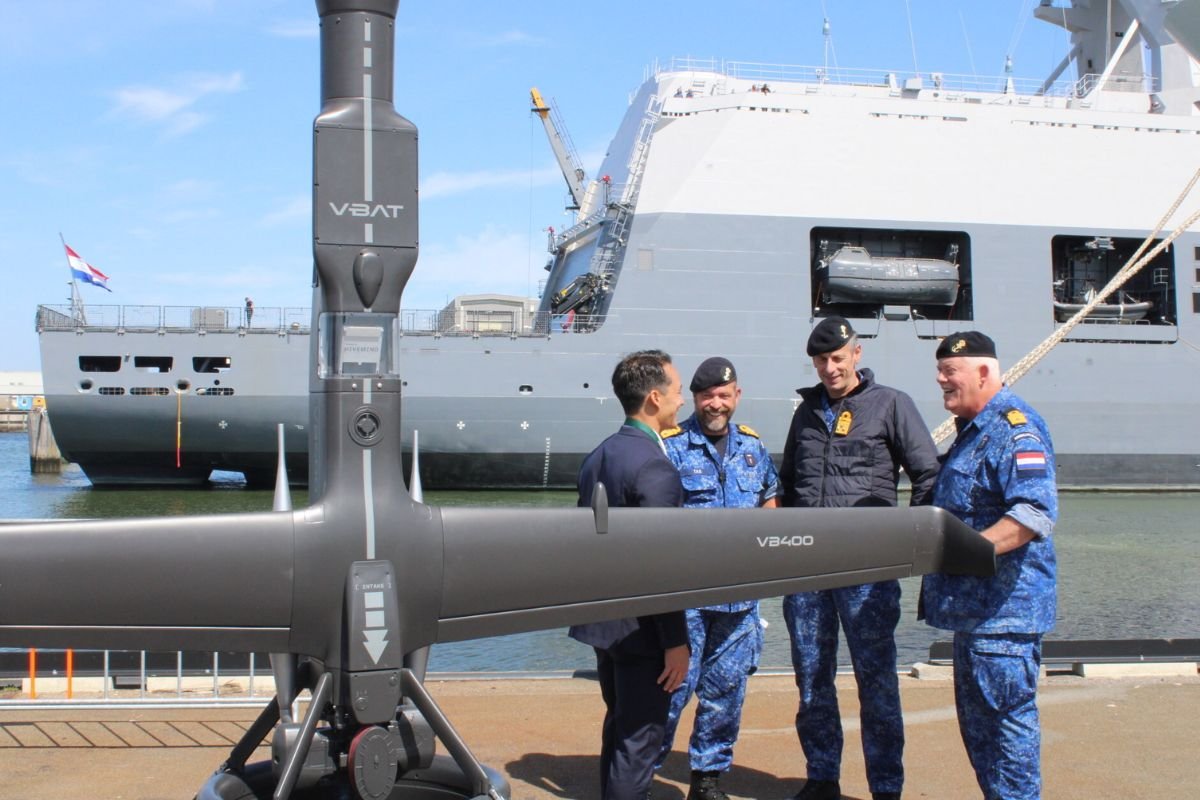
The Netherlands is reinforcing its naval surveillance capabilities with the latest V-BAT drones, marking a significant leap forward in maritime intelligence and reconnaissance.
In an important move to bolster maritime defense, the Royal Netherlands Navy and Marine Corps have integrated Shield AI’s V-BAT unmanned aircraft systems (UAS) into their operations. This deployment reflects a broader strategy to modernize forces while ensuring maritime security in contested waters. These drones promise enhanced intelligence, surveillance, and reconnaissance (ISR) capabilities that could reshape NATO’s naval landscape.
How the V-BAT drones transform maritime surveillance for the Dutch Navy
The V-BAT drones introduced to the Royal Netherlands Navy are engineered for vertical takeoff and landing (VTOL), enabling easy deployment from warships without the need for runways. Equipped with cutting-edge autonomy software developed by Shield AI, these drones deliver high-resolution imaging and radar capabilities, crucial for gathering real-time intelligence in complex maritime environments.
This innovation allows Dutch warships to extend their surveillance reach beyond traditional radar horizons, enhancing early threat detection and situational awareness. With operational effectiveness even in GPS-denied environments, the V-BAT drones provide resilient maritime ISR operations essential for modern naval warfare.
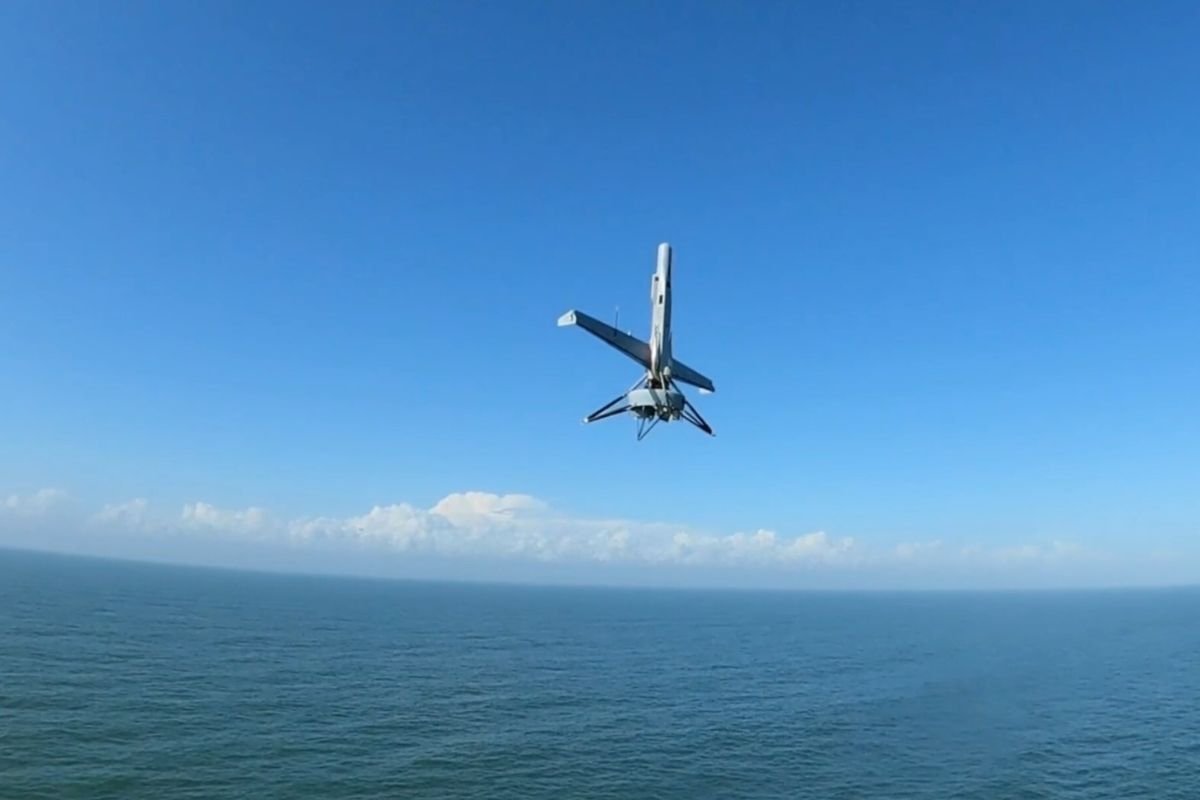
Operated by the Royal Netherlands Navy and Marine Corps, these VTOL drones can take off from warships without runways and deliver real-time ISR (intelligence, surveillance, reconnaissance) using advanced sensors and AI autonomy. They can even operate in GPS-denied environments, a key advantage in modern conflicts.
Strategic edge in contested maritime regions
The deployment of the V-BAT drones comes at a time when naval dominance in Europe’s seas is increasingly contested. The drones offer a tactical advantage by providing persistent surveillance coverage during both day and night missions. This advantage is pivotal for operations in hotspot areas where quick detection and response can prevent escalations or surprise attacks.
Integration with existing naval assets and operations
Integrating V-BAT drones with the Royal Netherlands Navy’s fleet enhances joint operation capabilities between ships and Marine Corps units. The drones seamlessly complement existing surveillance systems, acting as an extension of the ship’s sensor suite. This synergy also improves communication and information-sharing within NATO task forces, thus supporting coordinated defense strategies.
Additionally, the drones’ compact design allows deployment from different types of vessels, expanding operational flexibility without requiring significant ship modifications.
Cost-effective force multiplier
Compared to traditional manned reconnaissance aircraft or satellites, V-BAT drones represent a cost-efficient solution. Their reusability, lower operational costs, and rapid deployment capability make them ideal force multipliers in maritime ISR. Investing in these drones means the Netherlands can sustain continuous surveillance without extensive budget pressures while maintaining cutting-edge defense technology.
Specifications and capabilities that set the V-BAT apart
The V-BAT drone stands out as the only single-engine ducted-fan VTOL unmanned aircraft system currently operational across multiple regions worldwide. Some key features include:
- Vertical takeoff and landing: Enables operations from confined spaces on warships
- Advanced radar and sensor suite: Delivers real-time maritime surveillance data
- Autonomous navigation: Operates effectively in GPS-denied zones using AI-powered autonomy
- Extended endurance: Capable of long-duration missions, significantly improving ISR coverage
Deployment timeline and fleet distribution
The Netherlands Ministry of Defence has procured eight V-BAT drones, planned for phased deployment across warships and Marine Corps units. This incremental rollout ensures that operational feedback drives effective integration:
| Year | Deployment Phase | Units Equipped | Main Features Tested |
|---|---|---|---|
| 2024 | Initial procurement and testing | 4 warships | Basic VTOL operations and ISR data gathering |
| 2025 | Expanded maritime deployment | 6 warships & 2 Marine Corps units | Operational autonomy and GPS-denied environment tests |
| 2026 | Full operational integration | 8 warships & Marine Corps | Enhanced ISR and joint NATO exercises |
Implications for NATO and international maritime security
The introduction of V-BAT drones to the Netherlands’ naval arsenal reinforces NATO’s collective maritime strength by enhancing interoperability and intelligence-sharing. These drones are expected to contribute significantly to surveillance and early-warning efforts in contested sea zones, strengthening both Dutch and allied naval readiness.
Potential shifts in naval tactics and strategy
The extended surveillance capabilities facilitated by V-BAT drones could prompt NATO navies to revisit their operational doctrines. Proactive intelligence gathered by these drones reduces blind spots at sea and supports more precise strike capabilities, opening new dimensions for naval engagements.
Training and operational readiness enhancements
Alongside the hardware, the Netherlands Ministry of Defence invests heavily in training personnel to operate and maintain these drone systems. This training ensures that operators can maximize the drones’ potential, integrating their data into command centers efficiently, and responding dynamically to emerging threats.
Regular drills and collaboration with NATO partners ensure continuous evolution of tactics, techniques, and procedures related to unmanned maritime ISR assets.
What makes the V-BAT drone unique for naval operations?
Its vertical takeoff and landing capability combined with AI autonomy allows deployment from small decks and effective operation in GPS-denied maritime environments.
How do V-BAT drones enhance NATO’s maritime security?
By improving real-time intelligence sharing and surveillance coverage, V-BAT drones strengthen early-warning systems and cooperative defense efforts among member navies.
Are there cost benefits compared to traditional ISR methods?
Yes, V-BAT drones offer lower operational costs and rapid deployment advantages over manned aircraft or satellites, making them efficient force multipliers.
How widely will the V-BAT drone be deployed in the Netherlands Navy?
Eight units will be phased across warships and Marine Corps, with progressive integration to ensure operational effectiveness.
What training is provided for V-BAT operators?
Comprehensive training includes drone control, maintenance, and integrating data into naval command centers, with ongoing exercises alongside NATO partners.
Source: https://www.prnewswire.com/news-releases/shield-ai-v-bat-selected-by-netherlands-ministry-of-defence-to-equip-navy-and-marine-corps-302501475.html
