Ukrainian pilots are urgently warning about the severe shortage of aging aviation equipment that threatens their air force’s capacity amid ongoing conflict.
As the war in Ukraine stretches into its third year, the country’s air force grapples not only with the intense demands of modern warfare but also with a critical lack of functioning aircraft and veteran pilots. With aging Soviet-era helicopters and jets facing increasing wear, Ukrainian aviators struggle to sustain operational readiness while awaiting modern reinforcements like the F-16. This shortage could pose major challenges for Ukraine’s defense in the months and years ahead.
The visible strain of older Soviet aircraft in modern combat
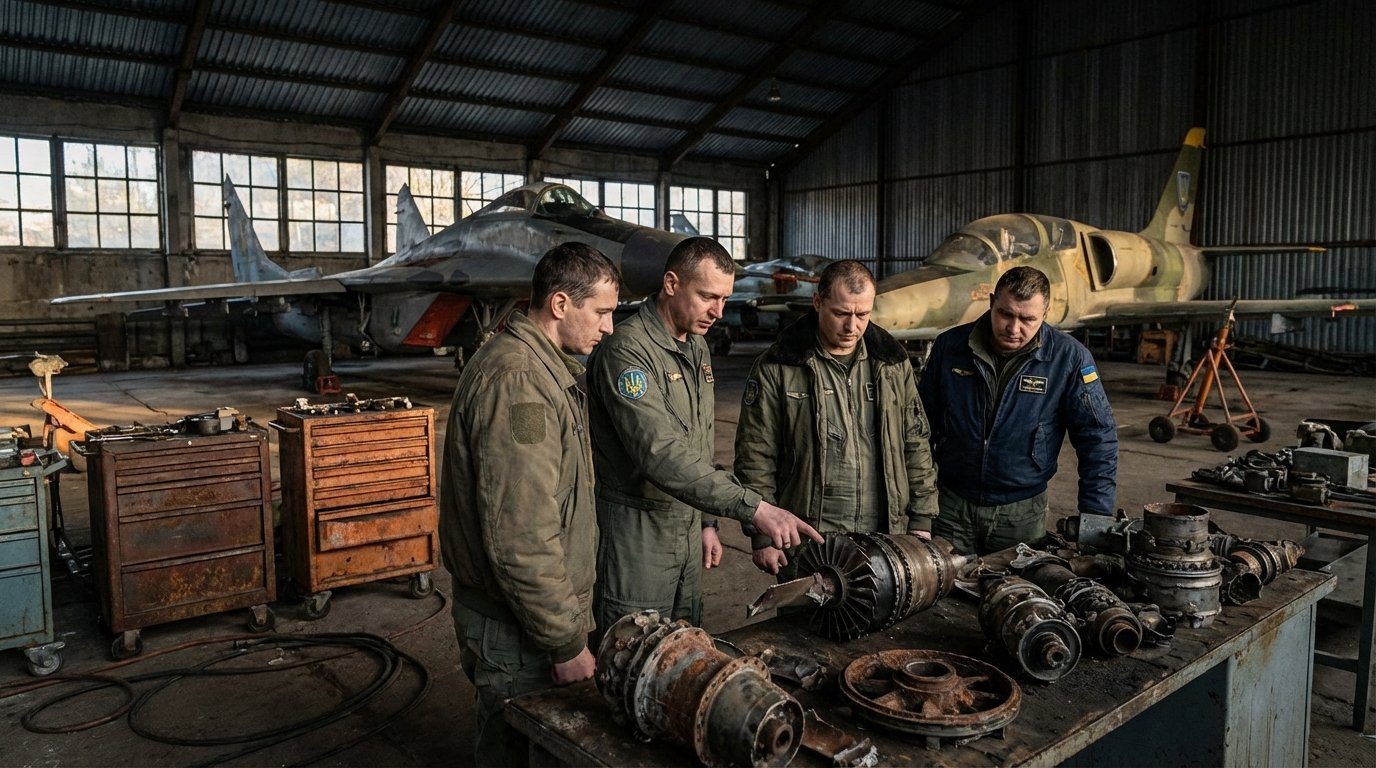
The backbone of Ukraine’s air force continues to be a fleet of Soviet-era MiG-29s, Su-27s, and Mi-8 helicopters. Pilots report these ageing machines require frequent maintenance, with spare parts becoming increasingly scarce. Operating these outdated aircraft with outdated technology against cutting-edge Russian systems places immense pressure on pilots and ground crews alike. Aging aviation equipment is not just a technical issue but a strategic vulnerability that risks reducing flight hours and mission success rates.
Life on the frontline: stories from Ukrainian helicopter pilots
Flying Mi-8 helicopters designed decades ago, pilots like Yurii and Pavlo describe grueling missions in harsh winter conditions. Their helicopters are indispensable for troop transport and battlefield support but increasingly suffer from mechanical failures. These challenges are compounded by a shortage of trained mechanics and aviation engineers, crucial for keeping the aging fleet airborne amidst constant combat stress. Maintenance shortages and limited parts inventory slow repair times, leaving critical aircraft grounded at times.
F-16 introduction hopes complicated by pilot and training shortages
Ukraine’s much-anticipated arrival of Western F-16 fighter jets promises to modernize the air force substantially. However, the reality is complicated by a significant gap in trained pilots skilled in operating these Western systems. Despite plans to acquire new jets, only a small number can be effectively used this year due to the limitation in pilot availability. This diminishes the potential immediate impact the F-16s could have on Ukraine’s aerial capabilities. Pilot shortages create a bottleneck, delaying the operational readiness of these advanced aircraft.
Training programs and international cooperation challenges
Ukrainian pilots often train abroad on these Western jets, but the pace of training cannot keep up with demand. Some European nations have offered aircraft from their inventories, but integrating these complex systems into Ukraine’s air force requires more than just hardware. Language barriers, differing operational protocols, and logistical issues all slow the process. Meanwhile, older aircraft remain the primary tools for regular missions. Training logistics and interoperability challenges represent significant hurdles in modernizing Ukraine’s aviation assets.
Logistical nightmare: spare parts scarcity and maintenance issues
The war’s attritional nature stretches supply chains thin, particularly for spare parts essential to keeping Soviet-era aircraft flightworthy. The scarcity of components means that repair crews often cannibalize other grounded aircraft to resurrect those critical to missions. Ukrainian military sources explain that this repair strategy is unsustainable and reduces the overall fleet size over time. Repair and spare part shortages threaten not only immediate readiness but the long-term viability of Ukraine’s air force assets.
How Ukraine is adapting with innovative repair solutions
In response, Ukrainian technicians have adopted creative solutions, including 3D-printing spare parts and reverse-engineering components. These technological improvisations demonstrate adaptability but can’t fully replace the industrial scale of traditional manufacturing. This stopgap ensures some continuity but highlights the urgent need for new equipment deliveries. Innovative maintenance practices are a testament to resilience but underline existing systemic weaknesses.
Impact of aviation shortages on broader military strategy
The limited number of functional aircraft affects not just aerial combat but broader Ukrainian defense operations. Precision strikes against enemy positions, critical battlefield reconnaissance, and fast troop support missions are hindered by insufficient air assets. Meanwhile, Russian forces continue to deploy drones and missiles that compound the threat to Ukrainian infrastructure. Without adequate aviation resources, defense becomes reactive rather than proactive. Aircraft shortages constrain tactical options and operational flexibility on the frontline.
Synergies with Western air defense systems
Though Ukrainian forces increasingly integrate Western air defense systems like the Patriot, the lack of enough modern jets leaves gaps in the overall air defense strategy. F-16s equipped with advanced electronic warfare can extend offensive and defensive reach, but their limited numbers restrict impact. Maintaining aging Soviet jets alongside Western systems complicates logistics and strategic planning. Integrating new and old technologies represents a challenging balancing act aiming to maximize defensive capability.
A grim outlook without immediate aviation reinforcements
Unless urgent deliveries of fully operational aircraft and trained pilots arrive, Ukraine’s air force faces a steep decline in operational capacity. The attrition of aging aircraft and continued pilot shortages threaten to reduce Ukraine’s air dominance at a critical time in the conflict. International support and accelerated training programs remain essential to prevent a further weakening of the aerial frontlines. The coming months will likely determine the air force’s ability to sustain resistance and protect critical infrastructure. Urgent aviation reinforcements are more than desirable—they are strategic necessities.
Key challenges and recommendations
- Expand pilot training programs internationally to address shortages swiftly.
- Accelerate delivery of modern fighters like F-16s to replenish operational fleets.
- Boost spare parts production using advanced manufacturing techniques at scale.
- Enhance maintenance infrastructure to support both old and new aircraft.
- Improve interoperability between Soviet-era and Western aviation systems through joint exercises.
| Date | Event | Impact |
|---|---|---|
| February 2025 | Mi-8 helicopter returns from critical Donbas mission | Highlighting aging helicopter operational strain |
| Mid-2025 | Start of F-16 pilot training programs abroad | Beginning of pilot deficit mitigation efforts |
| Late 2025 | Delivery of limited F-16 fighter jets | Partial modernization but limited immediate impact |
| Early 2026 | Increased 3D-printed aircraft parts production | Temporary relief for maintenance shortages |
Why are Soviet-era aircraft still dominant in Ukraine?
Ukraine’s air force relies heavily on Soviet-era aircraft due to historic inventory and delays in receiving Western jets and equipment. These machines, while aging, remain operationally significant in the current conflict.
How severe is the pilot shortage for new aircraft?
The shortage is quite significant, with only a handful of trained pilots ready to operate advanced fighters like the F-16, causing delays in utilizing new aircraft effectively.
What are the main solutions for aviation equipment shortages?
Expanding pilot training abroad, fast-tracking aircraft deliveries, increasing spare parts manufacturing, and improving maintenance infrastructure are vital measures.
Can 3D printing truly help with the spare parts crisis?
While 3D printing helps fill immediate gaps, it cannot fully replace large-scale manufacturing, making it a stopgap rather than a permanent solution.
What strategic risks does the shortage pose?
Reduced operational capacity limits Ukraine’s defense options, making it harder to protect infrastructure and respond swiftly to enemy threats.
