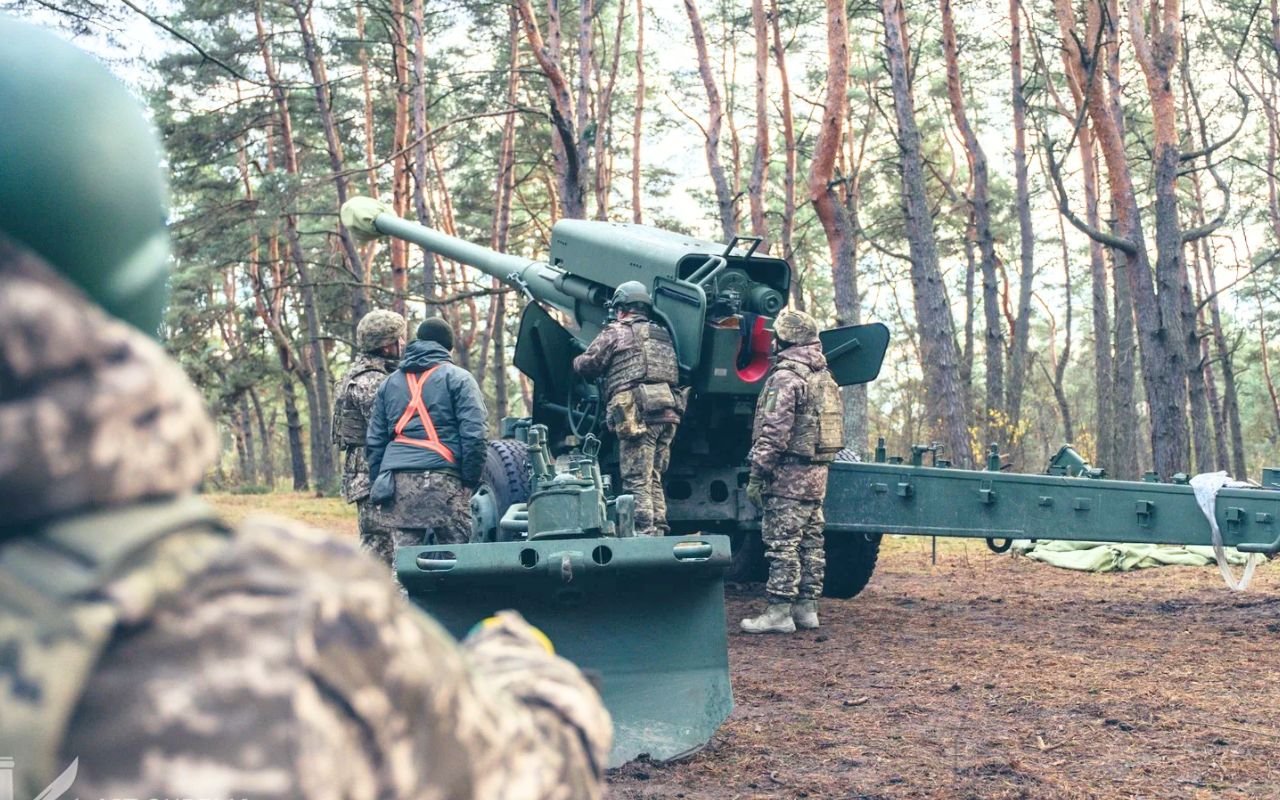
Ukraine’s artillery force takes a quantum leap forward as the Bohdana-BG towed howitzers join frontline units, reshaping the firepower landscape on the battlefield.
The Ukrainian military is rapidly enhancing its artillery capabilities with the introduction of the advanced Bohdana-BG 155mm towed howitzers. These systems, designed and produced domestically to NATO standards, are now operational with frontline brigades, boosting Ukraine’s long-range strike and counter-battery operations. The deployment marks a significant step in modernizing artillery firepower amidst ongoing regional tensions.
What makes the Bohdana-BG towed howitzer a game changer in artillery warfare
The Bohdana-BG is a 155mm caliber towed howitzer developed in Ukraine to meet NATO compatibility, providing enhanced firing range and accuracy. With the ability to fire shells up to 60 kilometers, it stands out for its balance of range, mobility, and ease of deployment. Compared to older Soviet-era artillery, the Bohdana-BG offers a striking improvement in operational flexibility, critical for both defensive and offensive battlefield roles.
NATO standards integration strengthens interoperability
Adopting a NATO-standard 155mm caliber rounds opens the door for Ukraine to better coordinate with Western allies and utilize a broad array of compatible munitions. This shift enhances logistical efficiency and allows Ukraine to integrate its artillery systems with coalition forces more effectively. Such integration is vital given the fluctuating demands of modern warfare where rapid resupply and ammunition compatibility can dictate battlefield success.
Deployment timeline and frontline unit acceptance
The Bohdana-BG first entered operational service in early 2025. The 3rd Separate Assault Brigade was among the initial units receiving this artillery upgrade, followed closely by frontline formations such as the 47th Artillery Brigade. By mid-2026, Ukrainian forces reportedly integrate up to 40% of their battlefield artillery with Bohdana variants, signaling trust and clear preference for these systems amid other foreign artillery support like French CAESAR self-propelled howitzers.
How frontline commanders weigh the strengths
Commanders emphasize a clear operational distinction: towed howitzers like the Bohdana-BG excel in static defense and long-range counter-battery fire, while self-propelled artillery units are better suited for mobile offensive operations. The complementarity increases battlefield versatility, with the Bohdana-BG’s towed nature simplifying maintenance and enabling distribution across wider fronts where rugged terrain may limit mobility.
Technical improvements and future variants – keeping the edge sharp
Ukraine is not resting on the shoulders of early success. Continuous upgrades target mobility and survivability of the Bohdana series. The latest Bohdana 6.0 variant, for instance, is a self-propelled version mounted on 6×6 or 8×8 wheeled chassis, increasing tactical deployment speed and armor protection. Such efforts reflect a strategic drive to ensure these artillery platforms remain at the forefront of battlefield technology.
New chassis and adaptation for diverse operational needs
By developing multiple Bohdana variants, Ukraine addresses the diverse demands posed by different combat zones, from open plains to urban settings. This flexibility enables the armed forces to assign the right artillery tools for specific missions, contributing to improved efficiency and reduced logistical strain on frontline units.
Production scale-up and economic implications for Ukraine’s defense industry
Production has seen a remarkable ramp-up, with current manufacturing rates at about 40 howitzers per month. This surge reinforces Ukraine’s self-reliance, reducing dependency on foreign military imports, and simultaneously bolsters the national defense industrial base. Investing over €1 billion in artillery modernization programs fuels domestic industry growth and supports thousands of jobs across technical sectors.
Comparing Bohdana-BG’s capabilities with other artillery systems in the region
When stacked against competing artillery pieces in Eastern Europe, the Bohdana-BG holds several advantages due to its NATO compatibility, range, and cost efficiency. The French CAESAR systems provide greater mobility but at considerably higher procurement and maintenance costs. Meanwhile, many older systems struggle with limited range and ammunition availability, making Bohdana-BG a preferred option for sustained operations.
| Artillery system | Caliber (mm) | Max range (km) | Mobility | Typical deployment role |
|---|---|---|---|---|
| Bohdana-BG | 155 | 40-60 | Towed | Defensive, counter-battery |
| CAESAR (France) | 155 | 42 | Self-propelled (wheeled) | Offensive, mobile |
| Soviet-era D-30 | 122 | 15.4 | Towed | Legacy, short-range support |
What frontline artillery crews say about the Bohdana-BG in combat
Ukrainian artillerymen appreciate the robustness and effectiveness of the Bohdana-BG. Soldiers note the ease of transporting the towed howitzer behind trucks across rugged terrain and its reliability under sustained fire conditions. The ability to deliver precise, long-range strikes while remaining relatively concealed improves survivability and mission success rates.
What is the maximum firing range of the Bohdana-BG towed howitzer?
The Bohdana-BG can fire shells up to 60 kilometers, significantly enhancing Ukraine’s long-range artillery capabilities.
How does the Bohdana-BG differ from self-propelled howitzers?
Unlike self-propelled units that emphasize mobility for offensive operations, the Bohdana-BG is a towed system optimized for defensive and counter-battery roles.
What advantages does NATO standardization bring to Ukrainian artillery?
Using NATO-standard 155mm rounds facilitates interoperability with Western allies, ensures ammunition availability, and streamlines logistics during joint operations.
How many Bohdana howitzers does Ukraine produce monthly?
Ukraine currently manufactures about 40 Bohdana howitzers each month, supporting both frontline demand and industrial growth.
What modernization plans exist for the Bohdana artillery series?
Ukraine is developing advanced Bohdana variants, including the Bohdana 6.0 self-propelled version, aimed at improving protection, mobility, and adaptability on varied battlegrounds.
