The United States has authorized an unprecedented wave of multi-billion euro arms deals with key Gulf countries, reshaping Middle Eastern defense landscapes and escalating global strategic stakes.
In a bold move that underscores its enduring influence in the Middle East, the U.S. government has recently greenlit a series of massive arms sales to Gulf nations, including Saudi Arabia and Israel. These agreements, valued in the tens of billions of euros, reflect Washington’s strategic bid to strengthen alliances, counter emerging threats, and solidify its military presence amid regional tensions. The scope and scale of these deals signal a significant shift in defense partnerships that will impact regional power balances.
Massive arms package for Saudi Arabia redefines Gulf defense cooperation
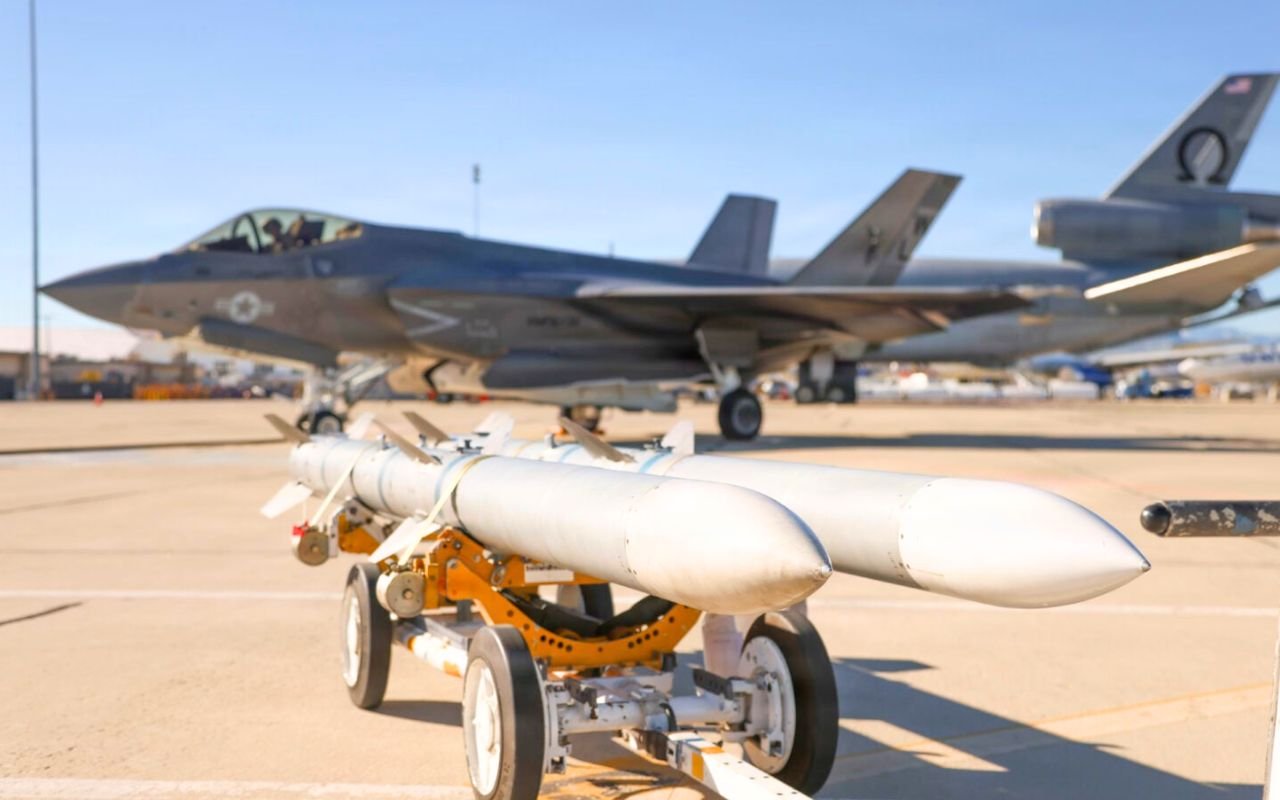
The United States has approved a colossal arms deal with Saudi Arabia worth approximately €130 billion, marking it one of the largest defense agreements in recent history. This package encompasses advanced fighter jet sustainment programs, missile defense systems, and cutting-edge military technology. The deal’s aim is to enhance Saudi Arabia’s operational capabilities amidst rising security challenges in the Gulf region.
Unprecedented scale of military equipment and services
This agreement provides Saudi Arabia with access to a broad range of state-of-the-art warfighting equipment from over a dozen American defense manufacturers. The commitment not only includes hardware like F-15 fighter jets but also extensive support services and maintenance contracts that will extend over the coming years, ensuring long-term cooperation and technological transfer.
Simultaneous arms sales boost Israel’s defense capabilities
Alongside Saudi Arabia, Israel has also been approved for new arms sales worth billions of euros. These transactions include advanced missile defense systems and intelligence-sharing technology designed to counter emerging threats from regional adversaries. The sales reinforce Israel’s qualitative military edge, critical for maintaining its strategic deterrence in an increasingly volatile landscape.
Strategic implications for regional security dynamics
These concurrent deals heighten the United States’ role as a key military supplier and strategic partner in the Gulf. By equipping both Saudi Arabia and Israel with sophisticated arms, Washington ensures these allies remain capable of deterring aggression and maintaining a fragile peace. However, such expansions may also escalate arms races, complicating diplomatic efforts in the region.
Overview of key components in the US-Gulf arms agreements
| Component | Recipient | Approximate value (€ billion) | Purpose |
|---|---|---|---|
| F-15 Sustainment and upgrades | Saudi Arabia | 3.0 | Enhance air superiority and fleet longevity |
| Missile defense systems | Israel | 4.5 | Improve ballistic missile interception |
| Intelligence-sharing tech | Israel | 2.0 | Boost coordinated regional surveillance |
| Advanced naval defense equipment | Saudi Arabia | 5.5 | Protect strategic maritime routes |
| Training and logistics support | Various Gulf States | 7.0 | Ensure operational readiness |
Geopolitical drivers behind the surge in arms sales
The renewed arms cooperation aligns with shifting global power equations, particularly the growing Iranian influence and evolving alliances in the Middle East. The U.S. sees bolstering Gulf partners’ military strength as a way to counterbalance these developments. Additionally, the deals reflect Washington’s intention to maintain its foothold in a region critical for global energy supplies and security.
Enhancing deterrence amid rising regional tensions
With ongoing conflicts and proxy wars shaping the Middle Eastern arena, these multi-billion euro arms deals serve as a deterrent against hostile actions. By equipping allies with advanced technology, the U.S. hopes to stabilize volatile borders and dissuade aggressive moves from adversaries.
Economic winds favoring expanded defense exports
The influx of arms deals also presents significant economic benefits for American defense contractors and the broader economy. These lucrative agreements support thousands of jobs and fuel innovation in defense technologies. Moreover, the Gulf nations’ eagerness to invest in top-tier military equipment boosts US exports, cementing a winning economic and strategic cycle.
The role of political leadership in sealing deals
Political will on both sides has been decisive, with U.S. leadership viewing these contracts as a key element of its foreign policy strategy. Gulf states, keen to modernize their arsenals amid uncertain security conditions, have welcomed these partnerships enthusiastically, signaling a deepening alignment of military and economic interests.
Long-term impacts and regional arms race concerns
While these deals fortify Gulf nations’ defense postures, they also risk escalating an arms competition, potentially destabilizing fragile peace efforts. The influx of sophisticated weaponry could provoke neighboring states to seek similar enhancements, creating a cycle of militarization that complicates diplomatic resolutions.
Potential pathways to balance arms growth with diplomacy
Experts suggest that transparent arms agreements paired with diplomatic engagement might mitigate risks. Confidence-building measures and regional security dialogues could help ensure that increased military capabilities do not translate into heightened conflict likelihood.
- Enhanced air and missile defense capabilities
- Improved intelligence and surveillance networks
- Strengthened naval security along vital maritime routes
- Extended training and logistical support for operational readiness
- Significant economic benefits for defense industries on both sides
What is the total value of the US arms deals with Gulf nations?
The combined arms deals with Gulf nations, including Saudi Arabia and Israel, are valued at tens of billions of euros, with the Saudi package alone estimated around €130 billion.
How will these arms deals impact regional security?
The deals aim to strengthen defense capabilities and enhance deterrence, but they also risk intensifying an arms race that could destabilize ongoing peace efforts in the Middle East.
Which types of military equipment are part of these agreements?
The packages include fighter jet sustainment, missile defense systems, intelligence-sharing technology, naval defense equipment, and extensive training and logistical support.
Why is the US focusing on arms sales to Gulf countries now?
The United States seeks to counterbalance regional threats, particularly from Iran, and maintain its strategic influence in a vital geopolitical area, while also supporting its domestic defense industries.
What challenges could arise from these arms deals?
Potential challenges include escalating arms races, increased regional tensions, and the possibility of undermining diplomatic peace efforts if not managed with careful diplomatic engagement.
